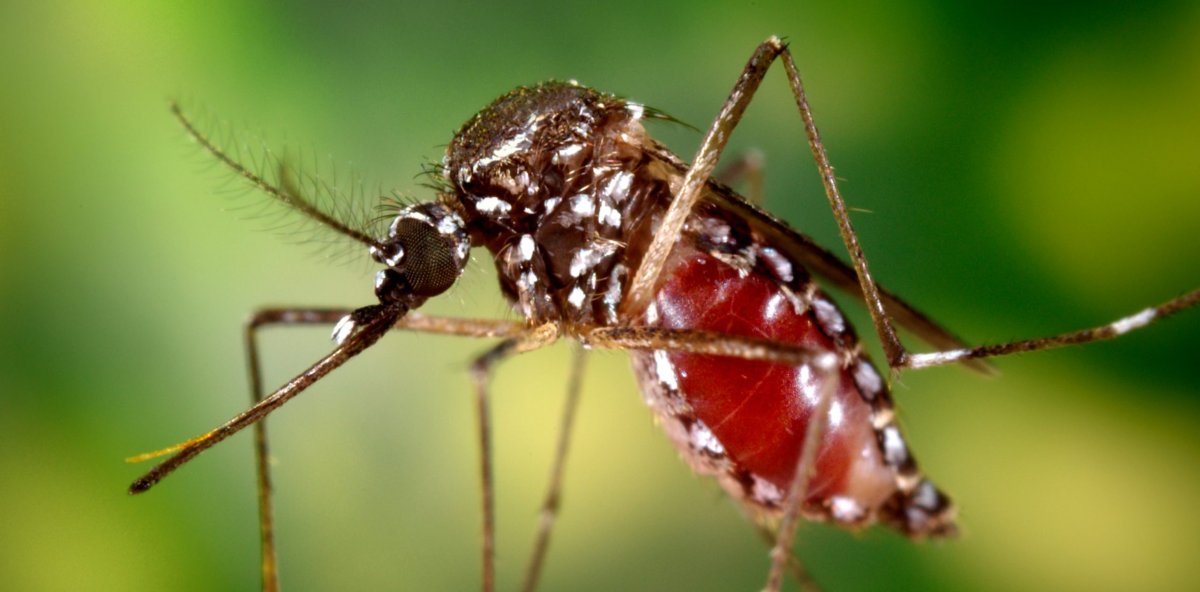
Health authorities have confirmed three imported cases of chikungunya virus from Cuba, raising concerns about potential transmission risks in the Dominican Republic. The Ministry of Public Health issued the alert last Thursday, identifying the Aedes aegypti mosquito as the primary vector responsible for spreading this arboviral disease alongside dengue and Zika.
The current epidemiological situation is particularly concerning due to seasonal rainfall patterns that create ideal breeding conditions for mosquitoes. Stagnant water accumulation in urban and residential areas has significantly increased the proliferation potential of disease-carrying insects, creating heightened vulnerability among the local population.
According to World Health Organization guidelines, effective mosquito habitat management remains the cornerstone of prevention strategies. Health officials emphasize that eliminating breeding sites requires a multidisciplinary approach spanning public health, environmental management, and community education sectors.
Recommended preventive measures include:
– Removing or properly sealing outdoor water containers including flower pots, bottles, and storage vessels
– Installing protective covers on domestic water tanks and storage reservoirs
– Implementing proper waste management practices with sealed plastic bags and covered trash receptacles
– Maintaining clear drainage systems to prevent water stagnation
– Installing window and door screens to create physical barriers against mosquitoes
Health authorities stress that community participation is essential for successful mosquito population control and reducing disease transmission risks.