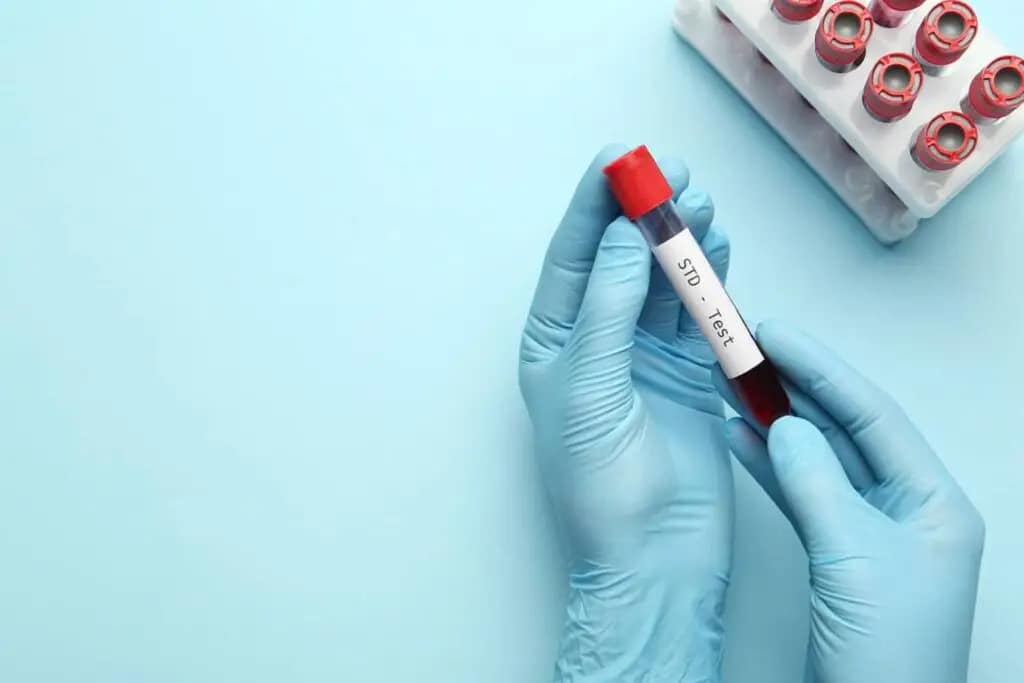
Jamaica is confronting a significant public health challenge as official data reveals a persistent upward trajectory in sexually transmitted infection (STI) cases over the past four years. The Ministry of Health and Wellness has documented 35,713 STI cases within the public health system for 2024, marking a concerning increase from 34,278 in 2023 and 31,572 in 2022.
Medical experts identify young adults aged 20-24 as the demographic bearing the highest infection burden, followed closely by the 15-19 and 25-29 age groups. Women continue to be disproportionately affected, comprising 28,220 of the total cases compared to 7,493 men in 2024.
Dr. Nicola Skyers, Senior Medical Officer at the National HIV/STI Programme, clarified that genital discharge syndromes—encompassing conditions like gonorrhoea, chlamydia, and trichomoniasis—account for over 99% of presentations. Meanwhile, genital ulcer diseases, including herpes and syphilis, constitute approximately 1% of cases. Syphilis infections specifically surged to 1,216 cases in 2024 after dipping to 865 the previous year.
Healthcare professionals attribute this epidemiological trend primarily to insufficient condom usage and engagement in multiple partner relationships. Dr. Annisha Skinner of St. Ann Medical’s AHF Wellness Centre reported observing steady testing numbers throughout the year, with syphilis positivity peaking at 5.7% in July.
Despite the rising STI prevalence, Jamaica is witnessing parallel developments in its HIV landscape. UNAIDS statistics indicate approximately 28,000 Jamaicans were living with HIV in 2024, though new infections declined to 1,100 from 1,200 in 2023. The national HIV prevalence rate stabilized at 1.1%, showing improvement from previous years.
The Ministry of Health is currently conducting enhanced surveillance through a comprehensive survey to gather detailed STI-specific data, with results anticipated in 2026. Medical authorities emphasize that while testing accessibility has improved, it should not replace consistent safe sex practices including condom use, transparent partner communication, and avoidance of high-risk behaviors.