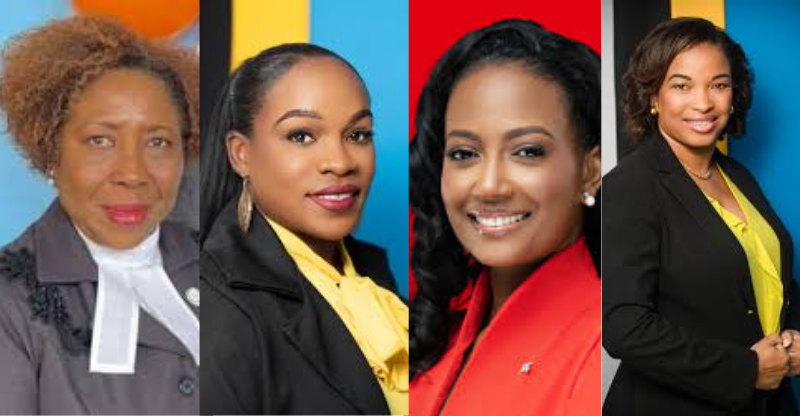
As Saint Lucia approaches its 2025 general elections, an unprecedented six female candidates—three from each major party—are mounting a historic challenge to the island nation’s male-dominated political landscape. This record number of women contenders represents a potential turning point in Saint Lucian politics, yet their campaigns reveal how deeply entrenched gender barriers remain.
Historical context underscores the magnitude of their challenge. Over the past fifteen years, female representation among general election candidates has consistently languished below 25%, with elected women in the House of Assembly rarely exceeding two simultaneously. The 2021 election saw merely 11 women among 45 total candidates, with only two securing seats—maintaining parliamentary representation at approximately 11%, far below modern democratic standards.
The campaigns of these six women illuminate the persistent obstacles facing female politicians. Marcella Johnson, United Workers Party candidate for Gros Islet, describes enduring weekly televised character assaults from male opponents. “Every single week, a minister uses his television show to shame women, insult women, demean women,” Johnson revealed to St. Lucia Times, noting her personal life becomes fodder for fabricated narratives despite being unknown to her detractors.
Similarly, Labour Party Senator Lisa Jawahir, candidate for Castries South East, confronted gender-based opposition when UWP Deputy Leader Guy Joseph dismissed a $250,000 allocation for addressing period poverty in schools as unnecessary spending. Jawahir’s swift rebuttal resonated particularly with young female constituents, galvanizing support from women demanding recognition that “our voices matter.”
Perhaps most unexpectedly, political newcomer Leeana “Lady Lee” Johannes-Paul entered the race despite previous disdain for politics, describing her decision as a divine calling. Her campaign in Vieux Fort has faced overt misogyny, with critics asserting male candidates possess superior experience and strength. This lack of institutional support forced Johannes-Paul to largely self-fund her early campaign, though adversity strengthened her resolve to bring what she terms a “feminine touch” to governance focused on community care rather than personal enrichment.
Veteran politician Alvina Reynolds, who entered politics in 2011 and now serves as President of the Senate, provides historical perspective. While she experienced greater party support than current candidates, Reynolds still faced condescension from male colleagues who depicted her as a “headless chicken” and used musical metaphors to suggest she was an unprepared child needing maternal guidance. She emphasizes that contemporary candidates face comparatively less hostility than pioneers like Heraldine Rock, who endured public humiliation from within her own party.
Reynolds advises the new generation: “Don’t be tokenized. Be strong. Negotiate. Represent your constituencies with confidence.” She maintains an open-door policy for all female candidates across party lines, embodying her belief that women must uplift each other.
These six candidates are consequently campaigning on dual fronts: seeking electoral victory while simultaneously battling historical stereotypes about political leadership. Their collective effort represents a referendum on whether Saint Lucia will continue male-dominated governance or embrace leadership reflective of its entire population.