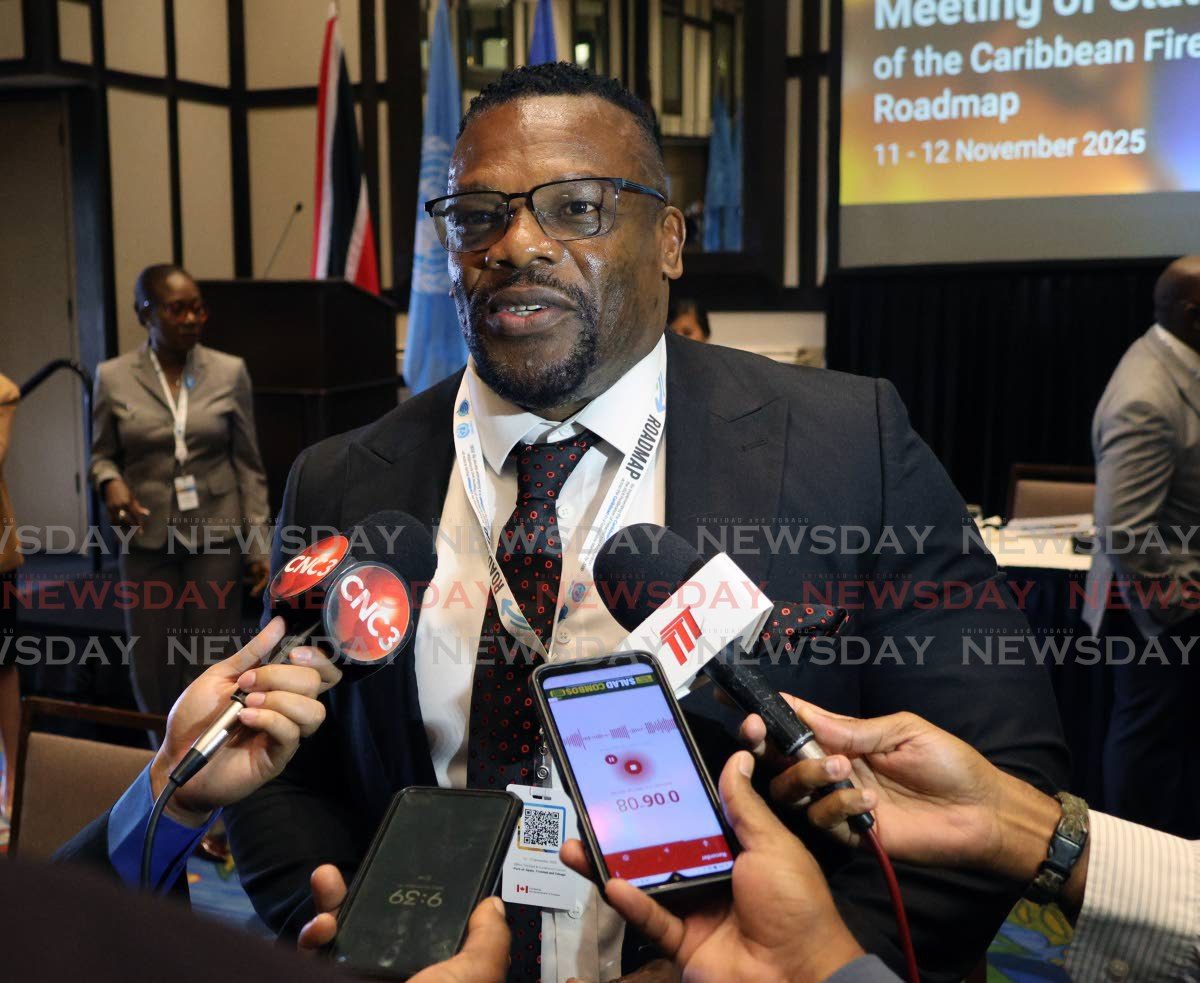
In a striking display of political irony, Homeland Security Minister Roger Alexander has drawn sharp criticism for his recent admonishment of citizens and media outlets utilizing social platforms for information gathering regarding national affairs. The minister’s reprimand appears particularly contradictory given his own government’s extensive reliance on these very channels for official communications.
The controversy stems from Alexander’s expressed frustration with the public’s growing dependence on digital platforms to stay informed about Trinidad and Tobago’s current socio-political climate. Critics argue this stance ignores the fundamental reality that citizens have turned to alternative information sources precisely due to the government’s inadequate official communication strategies.
This situation grows more paradoxical when examining the political history of Alexander’s United National Congress (UNC) party. During their time in opposition, the UNC actively leveraged social media influencers to disseminate narratives targeting various institutions including the judiciary, previous administration, law enforcement, and private sector entities. Now holding governing power, the party confronts the amplified consequences of these very tactics they once employed.
The UNC maintains the most substantial social media footprint among Trinidad and Tobago’s political organizations, with countless supporters daily amplifying party messages. Notably, significant governmental announcements—including the recent budget date revelation—frequently debut on UNC-affiliated digital platforms before appearing on official ministry channels. Even Prime Ministerial decisions, such as the prohibition of Carnival celebrations at state-owned venues, have been communicated primarily through social media.
Commentator Nigel Seenathsingh of San Fernando emphasizes that responsible social media regulation requires public consultation rather than ministerial reproach. While acknowledging current challenges with digital discourse, including cyberbullying and hate speech, he invokes Albert Einstein’s wisdom that problems cannot be resolved using the same mindset that created them. The solution, he suggests, lies in collaborative efforts to establish fair usage guidelines rather than chastising citizens for embracing communication channels the government itself actively employs.