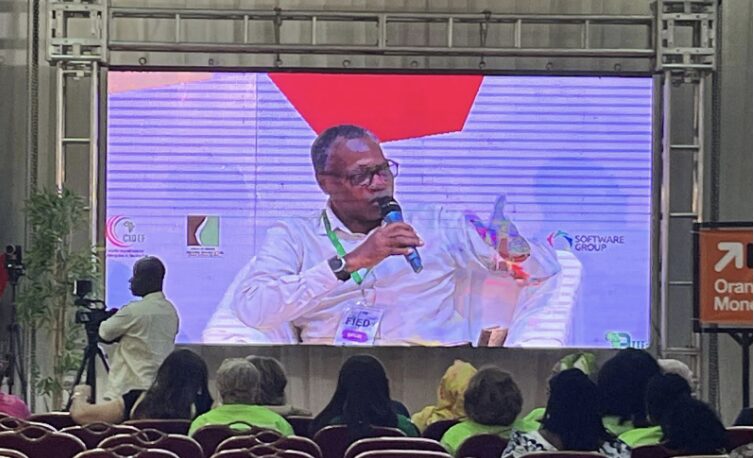
At the International Forum of Dynamic Women Entrepreneurs (FIED) in Ouagadougou, agricultural economist McCarthy Marie delivered a compelling vision for transforming Africa’s agricultural trade landscape. Speaking before delegates from approximately 30 African nations, Marie emphasized that unlocking the full potential of intra-African trade requires urgent investment in physical infrastructure and thoughtful food processing policies.
The Dominican economist, who accompanied Creole music icon Ophelia to the forum, presented a dual-focused strategy during a high-level panel on strengthening agricultural trade. His first priority addressed the continent’s infrastructure deficit, noting that reliable transportation networks form the foundation of successful trade ecosystems.
“We must establish efficient pathways from farming communities to distribution centers,” Marie asserted. “This demands substantial investment not just in export corridors but within rural areas themselves—roads, storage facilities, logistics systems, and market infrastructure are all essential components.”
Marie highlighted the paradoxical reality where shipping agricultural products to Europe often proves easier and cheaper than transporting them to neighboring African regions. He advocated for developing an integrated continental grid of farm-to-market highways connecting West, Central, East, and Southern Africa through both road and rail networks.
Turning to food policy, the economist issued a cautionary warning based on Caribbean experiences with ultra-processed foods. He noted that aggressive promotion of heavily processed products has led to devastating health consequences, including skyrocketing rates of diabetes, hypertension, and cardiovascular diseases that now overwhelm public health budgets.
“African nations have the unique opportunity to design food systems that protect public health rather than compromise it,” Marie advised. “Processing is necessary, but over-processing creates preventable health crises.”
The economist pointed to Burkina Faso’s cotton sector as an exemplary model of value chain development. He praised how Burkinabè producers have mastered the entire production process—from cultivation to spinning, dyeing, design, and garment fabrication—thereby capturing more value within the country.
Marie further advocated for increased utilization of intellectual property tools, particularly geographical indications. He suggested that legally protecting products like Burkinabè cotton textiles through geographical indications could significantly enhance their market value and establish recognizable quality benchmarks worldwide.
The forum, which gathered entrepreneurs, investors, and policymakers from across Africa, focused on practical strategies to strengthen intra-continental trade, with agriculture identified as a crucial driver for job creation, food security, and industrialization.