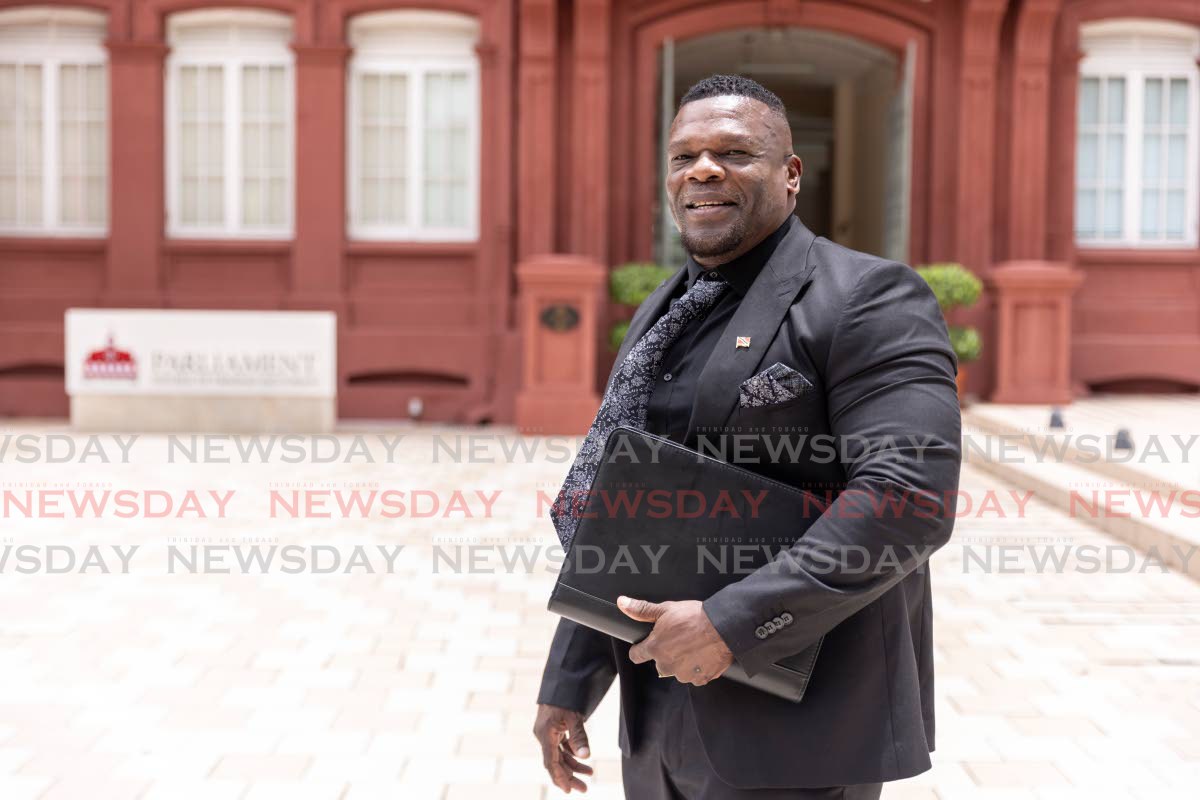
A controversial attempt by Trinidad and Tobago’s Homeland Security Minister Roger Alexander to petition the US Embassy for revoking visas of American-based critics has ignited profound concerns about democratic erosion in the Caribbean nation. The move, revealed through official ministry correspondence, suggests an alarming trend toward authoritarian tactics reminiscent of Venezuela’s Nicolás Maduro regime.
The minister’s justification centers on claims that YouTube commentators and dual nationals are destabilizing the country—a narrative that critics argue externalizes governmental failures rather than addressing legitimate governance shortcomings. This approach mirrors the playbook of authoritarian leaders who silence dissent rather than engage with substantive criticism.
Political analysts note the extraordinary nature of a sitting minister seeking foreign intervention to police Trinidadian speech abroad, effectively acknowledging the weakness of domestic democratic institutions. The situation represents a dangerous precedent where sovereignty is weaponized against citizens rather than protecting their fundamental rights.
All eyes now turn to Prime Minister Keith Rowley, whose response—or lack thereof—will signal whether this represents isolated ministerial overreach or official state policy. The silence from the administration’s highest office risks validating what many fear constitutes a systematic dismantling of democratic norms through increasingly authoritarian measures.
The developing situation reflects broader regional patterns where democratic facades crumble under the weight of leadership that prioritizes narrative control over transparent governance and accountability.