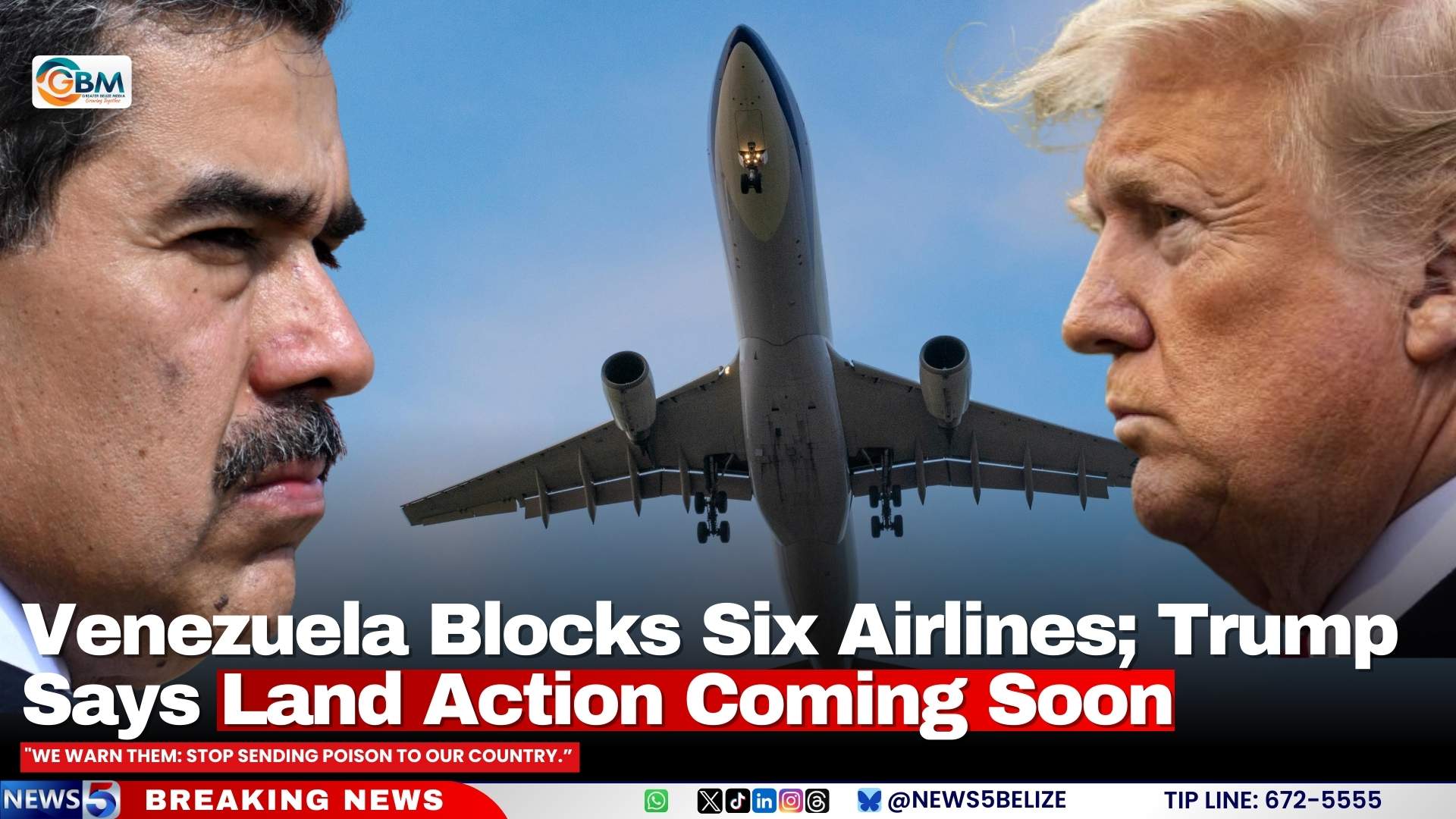
Venezuela has imposed a comprehensive ban on six major international carriers after they declined to resume operations within a government-mandated 48-hour window. The aviation blockade comes in direct response to the airlines’ decision to halt services following a U.S. Federal Aviation Administration (FAA) security advisory highlighting ‘heightened military activity’ and potential hazards within Venezuelan airspace.
Caracas officials have condemned the flight suspensions as acts of ‘state terrorism,’ asserting that the FAA possesses no jurisdictional authority over Venezuelan territory. The escalating aviation conflict coincides with heightened geopolitical tensions between the two nations.
In a parallel development, U.S. President Donald Trump indicated forthcoming expansion of anti-narcotics operations targeting alleged drug trafficking networks originating from Venezuela. During a Thanksgiving conference call with military personnel, Trump revealed plans for imminent land-based interventions, stating: ‘We’ll be starting to stop them by land also. The land is easier, but that’s going to start very soon.’
The President issued a direct warning to alleged traffickers: ‘We warn them: Stop sending poison to our country.’ These remarks signal a potential escalation in the administration’s pressure campaign against the Maduro government.
Venezuelan President Nicolás Maduro has consistently denied any governmental involvement in narcotics trafficking and characterizes U.S. allegations as politically motivated attempts to destabilize his administration. The converging aviation and narcotics disputes reflect deteriorating bilateral relations and suggest increasing regional tensions.