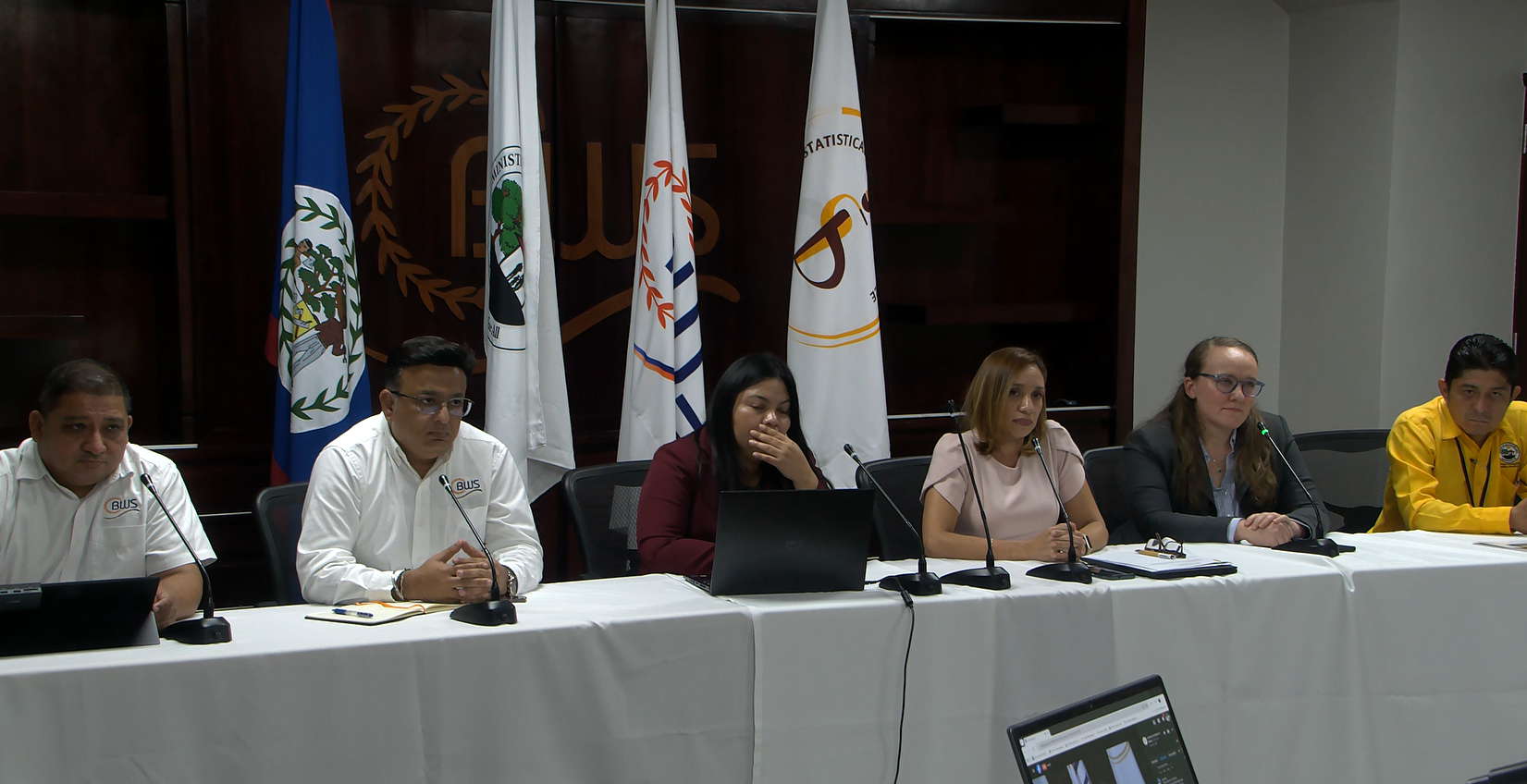
Belizean health authorities have moved swiftly to clarify findings from a major national survey that initially raised alarms about water safety. The Statistical Institute of Belize’s seventh Multiple Indicator Cluster Survey (MICS7) revealed concerning E. coli contamination rates in drinking water samples collected from approximately 5,000 households across both urban and rural areas.
The comprehensive study, which examines health, education, gender equality, and child protection indicators, detected contamination in 33.7% of samples taken at the point of consumption. However, officials from multiple agencies emphasized that the national water supply itself meets international safety standards, with contamination occurring primarily after water reaches residential storage systems.
Diana Castillo-Trejo, Director General of SIB, clarified the critical distinction: “The MICS7 results did not seek to measure contaminants in our national water supply, but rather at the point of consumption in the home.” The data revealed that households relying on rainwater collection systems showed the highest contamination rates, indicating needs for improved catchment infrastructure and hygiene practices.
Sanjay Keshwani, Chief Operations Officer at Belize Water Services, detailed the rigorous testing protocols maintaining national water quality: “We follow minimum WHO standards, but we aim for AWWA standards, which are more stringent.” The utility conducts daily water quality assessments using seven distinct procedures to ensure safety throughout the distribution system.
The Ministry of Health and Wellness confirmed that national water supplies consistently meet World Health Organization guidelines for potable water. Water Analyst Ary Sosa explained their responsive protocol: “All our laboratory results are screened against WHO guidelines. Once we see a red flag, we act expeditiously to remedy the situation.
Health authorities now recommend improved household water management practices, including the ‘flush first’ method for rainwater systems and regular disinfection of water storage containers. The MICS7 data provides crucial information for policymakers and households alike to address water safety at the point of consumption.