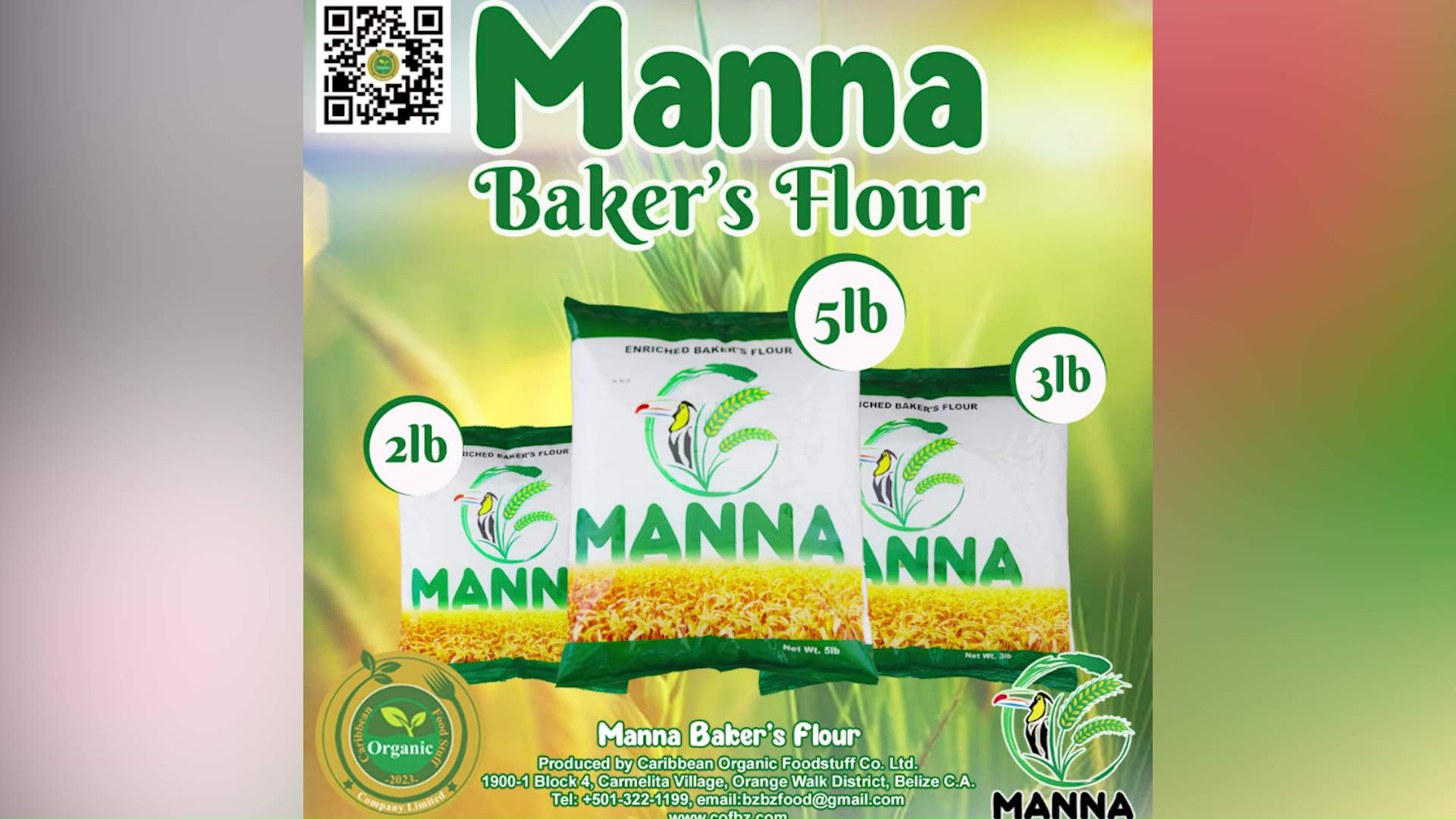
In a strategic expansion beyond its brewing origins, Caribbean International Brewery has launched a significant venture into the food production sector through its subsidiary, Caribbean Organic Foodstuff. The company unveiled its newest product, Mana Flour, on November 27, 2025, marking a substantial shift from its initial bottled water business established merely six years prior.
The flour product enters a market long dominated by established brands, with Caribbean Organic Foodstuff positioning Mana Flour as both more affordable and higher quality than existing alternatives. According to Communications Director Fortunato Noble, the pricing strategy represents approximately an 11% reduction compared to government-mandated control prices for hundred-pound sacks, ranging between seventy-nine to eighty-five dollars.
This initiative aligns with broader national economic objectives, receiving strong governmental endorsement evidenced by Prime Minister John Briceño’s personal attendance at the ribbon-cutting ceremony directly upon his return from international travels. The Prime Minister emphasized the project’s significance in job creation, foreign exchange conservation, and enhanced food security for Belize.
The company’s vision extends beyond domestic market disruption. With a state-of-the-art milling facility capable of processing 150 metric tons daily, Caribbean Organic Foodstuff possesses sufficient capacity to supply the entire Belizean market while pursuing export opportunities. The company is actively engaged in negotiations with potential partners across the Caribbean region, exploring distribution channels not only for flour but also for complementary products including noodles, cooking oil, biscuits, and snacks.
The manufacturing operation currently employs over one hundred workers, predominantly women, contributing to local economic development. This expansion represents part of a continuous strategic planning process initiated in 2023 to identify and locally produce goods that Belize traditionally imports, thereby strengthening national economic resilience and self-sufficiency.