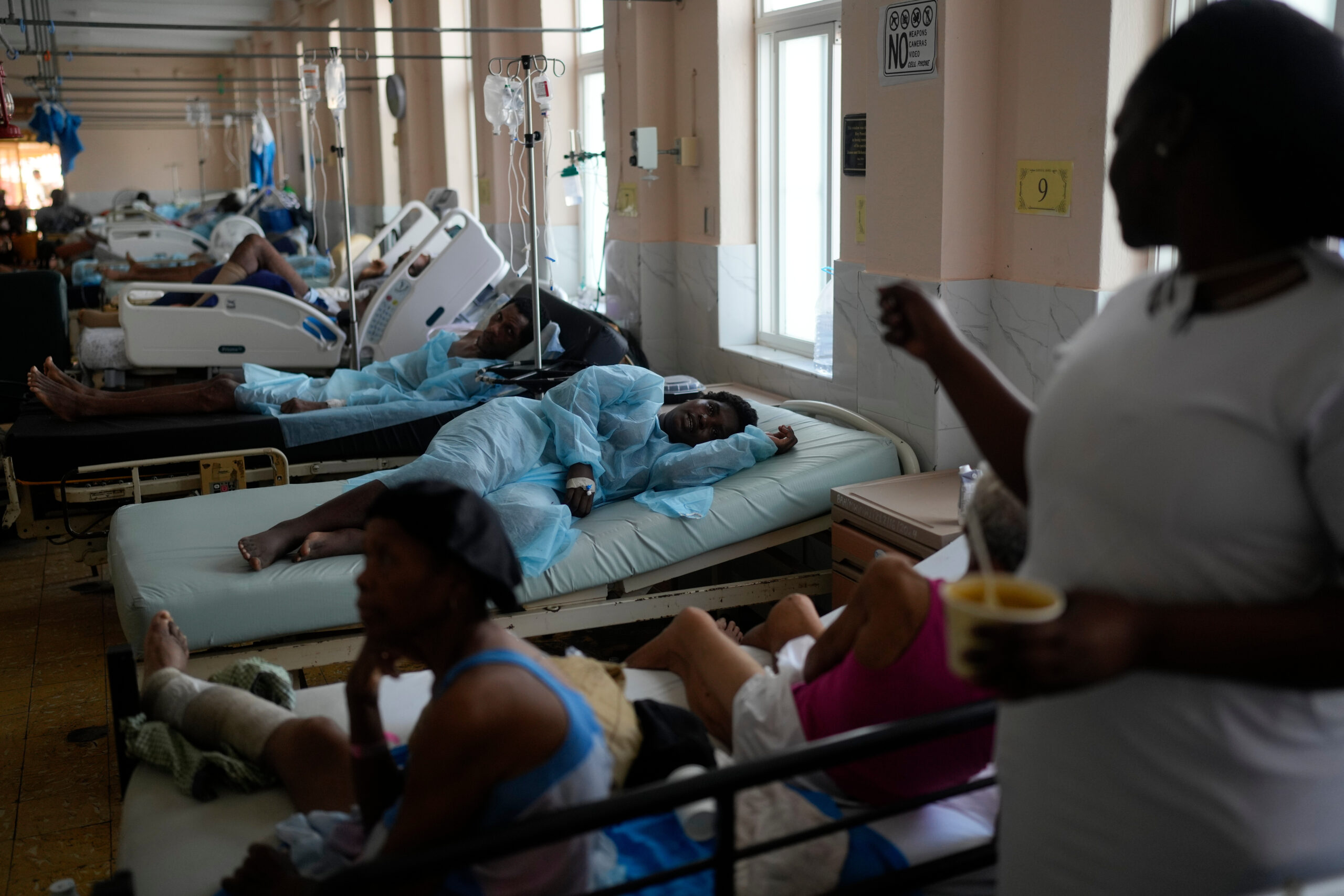
The Caribbean region is grappling with increased risks of foodborne, waterborne, and zoonotic diseases in the aftermath of Hurricane Melissa, which struck Jamaica on October 30. Dr. Lisa Indar, Executive Director of the Caribbean Public Health Agency (Carpha), emphasized the urgent need for robust One Health systems that integrate human, animal, and environmental health. Speaking at Carpha’s Regional Pandemic Fund workshop in Port of Spain on November 24, she highlighted the strain on health systems caused by disasters and outbreaks. ‘The disruption of water, food, and sanitation infrastructure significantly raises the risk of disease,’ she noted. Jamaica is also managing a vector-borne outbreak, underscoring the link between extreme weather events and communicable diseases. Dr. Indar stressed the importance of preemptive One Health coordination, which Carpha has been advancing through regional collaboration. In early 2024, Carpha convened experts from public health, veterinary medicine, agriculture, and other fields to develop a unified action plan. This initiative has led to the creation of the Regional One Health Foodborne Diseases and Zoonotic Action Plan, updated national plans, and a SharePoint platform for real-time information sharing. Carpha’s next steps include operationalizing its Integrated One Health Surveillance Platform and enhancing agency coordination through simulation exercises. Ian Ho-a-shu, Senior Health Specialist at the Inter-American Development Bank (IDB), praised Carpha’s efforts, emphasizing the importance of surveillance technology and workforce development in building resilience. He highlighted IDB’s support for emergency responses, including post-Hurricane Melissa aid in Jamaica. Carpha’s achievements over the past two years demonstrate the region’s capacity to combat emerging health threats, with a clear goal of reducing the impact of pandemics in the Caribbean.