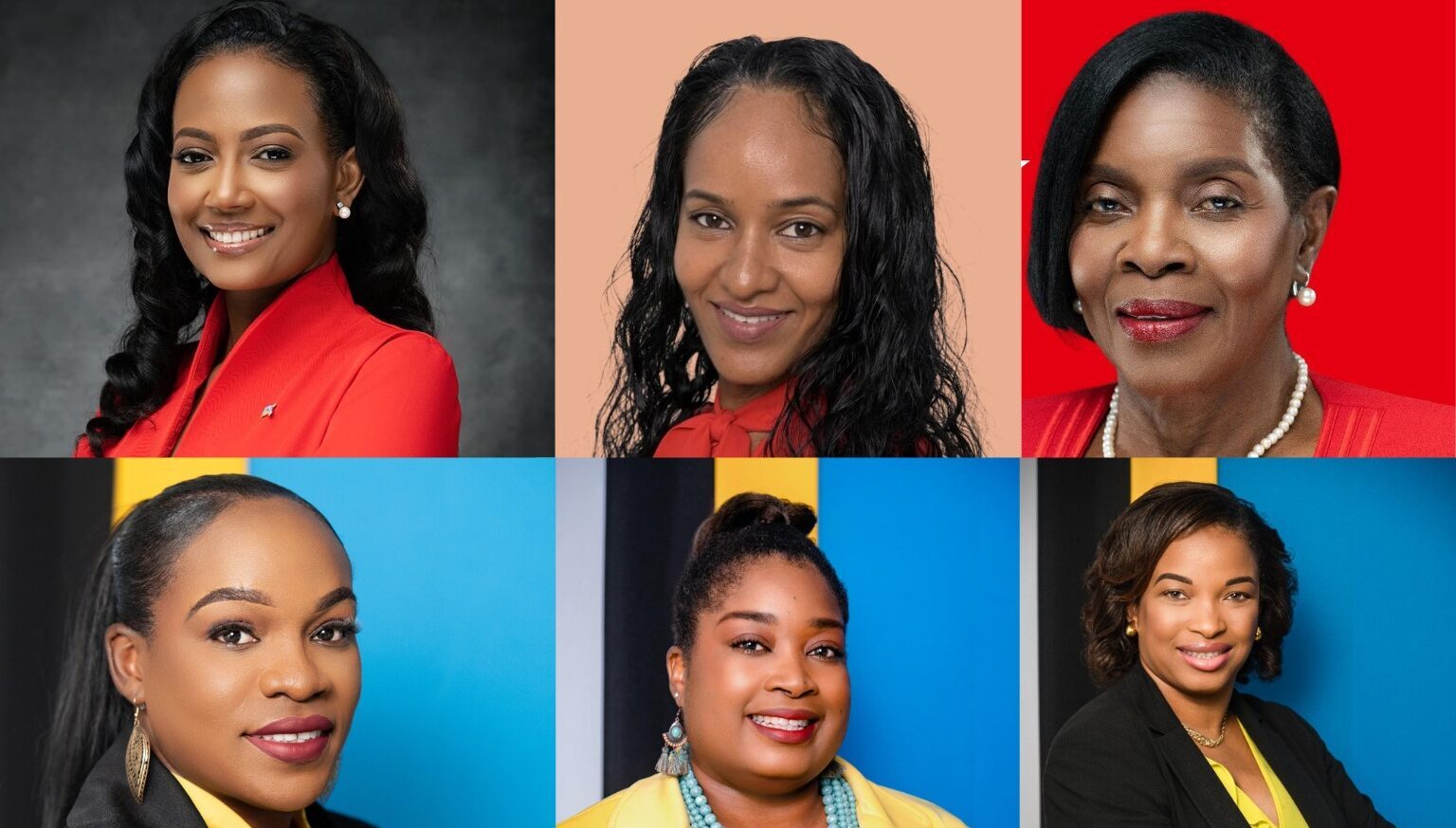
In the Caribbean, particularly in Saint Lucia, the political landscape is shaped by deeply ingrained societal norms and gender stereotypes. Data reveals that the archetype of a successful politician aligns with a conservative image: a middle-aged, married, Afro-Caribbean man with a family. Women, however, face significant scrutiny and delegitimization if they do not conform to this somatic norm. Single, childless, or divorced women are often subjected to harsh criticism, with their likability and leadership capabilities questioned based on their marital status or appearance. Society’s objectification of women extends to their political roles, where their attire and physical appearance are often prioritized over their policy expertise and experience. Interestingly, women who embody traditional maternal traits—such as being caring and nurturing—sometimes leverage these qualities as political talking points. Yet, those who deviate from these norms are judged more critically, highlighting the double standards in political evaluation. Despite these challenges, women in Saint Lucia are surpassing men in educational achievements and professional experience. According to the Washington Post, Saint Lucia is one of three countries where women are more likely to hold leadership positions than men, with 52.3% of bosses being female. However, institutional barriers persist, hindering women’s political participation. UN Women highlights the disproportionate burden of family care responsibilities on women, making it difficult for them to balance domestic duties with political careers. Additionally, systemic issues such as limited access to campaign funding, political networks, and unwinnable seat placements further disadvantage women. While there are no explicit laws barring women from political office, entrenched practices within political parties perpetuate inequality. To address these issues, comprehensive measures are needed, including public education on gender equality, increased support for women candidates, and the implementation of quotas to ensure fair representation. Rahym R. Augustin-Joseph, a Rhodes Scholar and advocate for political reform, emphasizes the importance of dismantling patriarchal structures and fostering a more inclusive political environment in Saint Lucia and the broader Caribbean.
OPINION: The unfinished fight for women’s political inclusion in Saint Lucia (Part 2)