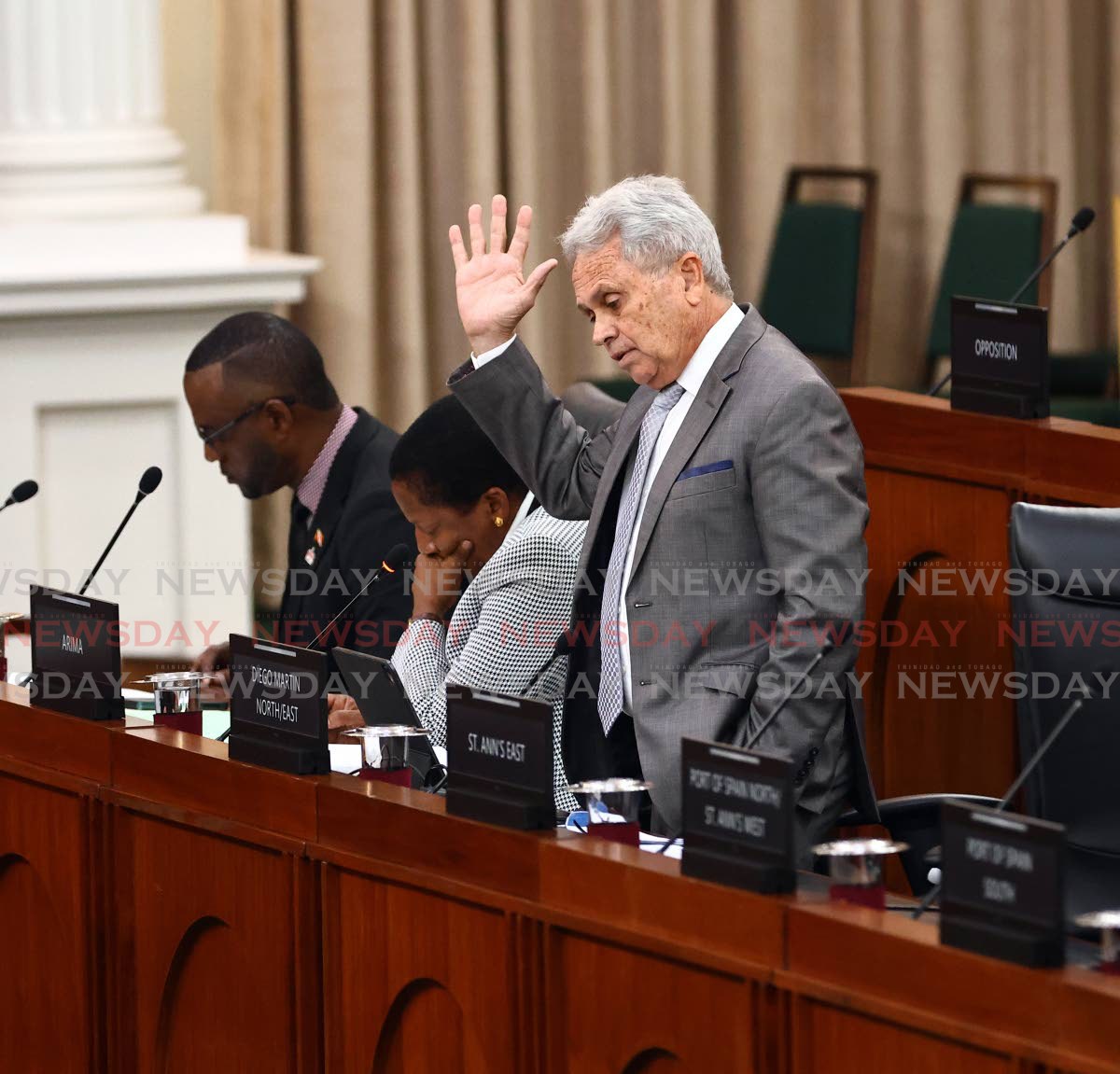
The Trinidad and Tobago Parliament witnessed a tumultuous session on November 21, 2025, as the debate over the Virtual Assets and Virtual Assets Service Providers Bill descended into procedural chaos. The bill, aimed at regulating the cryptocurrency industry, became a focal point of contention when over 200 proposed amendments were handed to the opposition mere minutes before the debate commenced. Finance Minister Davendranath Tancoo, who introduced the bill in September, had previously engaged with stakeholders, including Attorney General John Jeremie, Central Bank Governor Larry Howai, and crypto industry representatives, to refine the legislation. However, the late disclosure of amendments sparked outrage among opposition members. Diego Martin East MP Colm Imbert led the charge, accusing the government of undermining parliamentary principles by failing to provide adequate time for review. Imbert described the amendments as a ‘contempt of Parliament,’ arguing that they fundamentally altered the bill’s structure and intent. The procedural impasse left both sides unable to meaningfully debate the proposed changes, leading to what Imbert termed a ‘pappy-show.’ Despite the controversy, the bill was eventually passed with a vote of 25-11 after amendments were discussed in the committee stage. The legislation is critical for Trinidad and Tobago’s compliance with Caribbean Financial Action Task Force (C-FATF) recommendations ahead of a March 2026 on-site assessment. While the opposition supports cryptocurrency regulation, they criticized the bill as draconian and anti-innovation, warning it could stifle entrepreneurship and drive away innovators. Jeremie defended the government’s approach, emphasizing the need for stakeholder consultation and timely compliance with international standards.