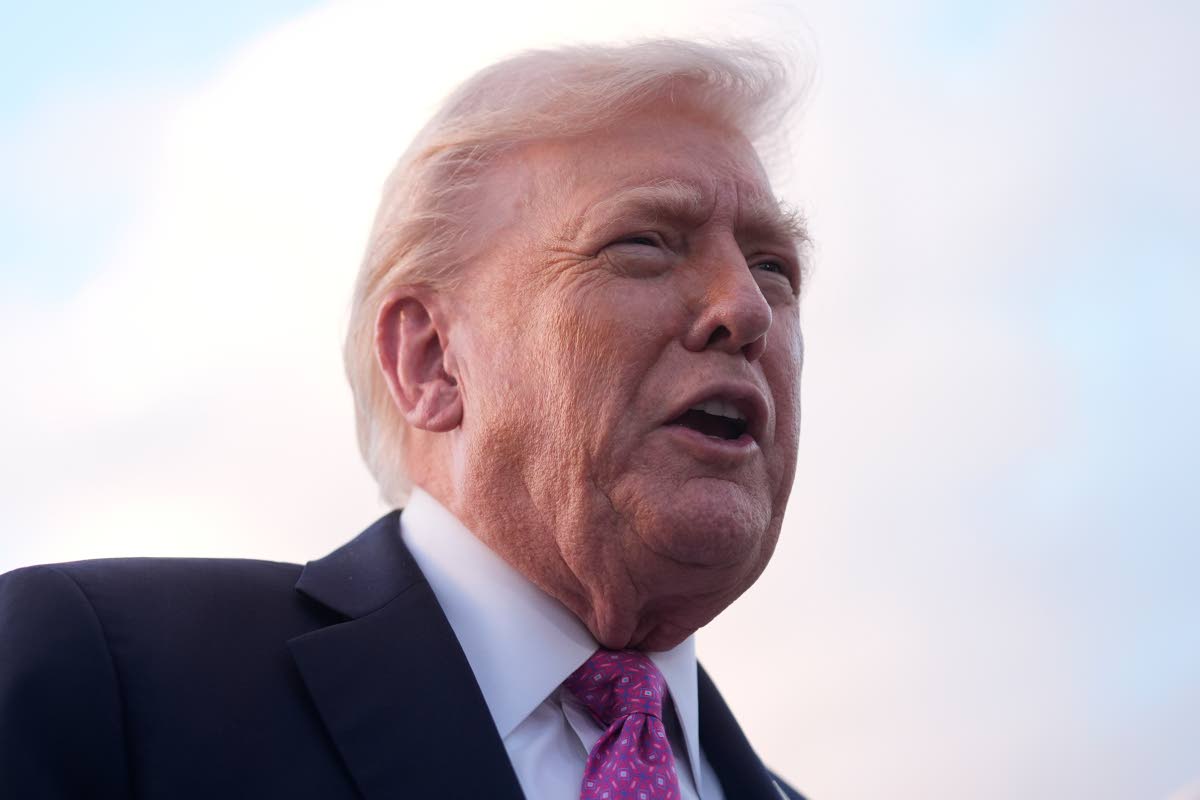
A recent policy brief from the Caribbean Natural Resources Institute (CANARI) has raised alarms about the growing uncertainty in Caribbean economies, driven by a combination of geopolitical factors, including recent changes in US tariff and immigration policies. The report, titled ‘Navigating the New Tariff and Immigration Regimes in the Caribbean,’ underscores the urgent need for the region to adapt strategically to these rapidly evolving external pressures. The brief, part of CANARI’s Strategic Research and Policy Initiative, highlights how shifts in US domestic and foreign policies have led to the restructuring of global trade relations, reduced development assistance, increased military spending, and tightened immigration controls. These changes are expected to result in more expensive trade, fewer immigration opportunities, reduced remittance flows, and heightened economic instability across the Caribbean. Key recommendations from the brief include diversifying exports, reducing dependency on external food and energy supplies, fostering entrepreneurship among youth, enhancing regional cooperation in food and energy production, and developing labor policies suited to the new geopolitical economic order. Nicole Leotaud, Executive Director of CANARI, emphasized the importance of reassessing long-standing development strategies in light of global uncertainty. The policy brief is part of a broader research and dialogue initiative led by CANARI in partnership with regional stakeholders to promote a sustainable future for the Caribbean.