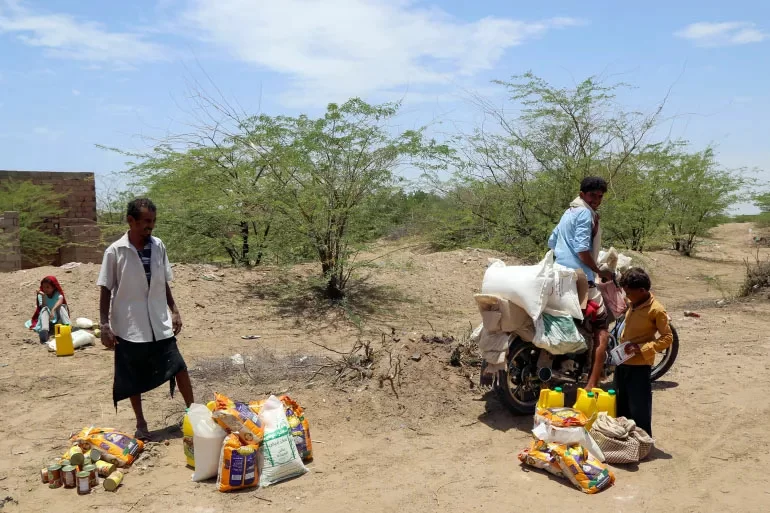
As the United Nations prepares to convene its 30th annual climate conference (COP 30) in Brazil, a stark warning has been issued regarding the escalating global crisis of climate-induced displacement. The UN High Commissioner for Refugees (UNHCR) revealed in a newly published report that weather-related disasters have forced approximately 250 million people to flee their homes over the past decade, equating to over 67,000 displacements daily. The report, titled *No Escape II: The Way Forward*, underscores the compounding challenges faced by displaced populations, particularly in conflict-ridden and vulnerable regions. Climate change exacerbates existing hardships, with floods in South Sudan and Brazil, record-breaking heatwaves in Kenya and Pakistan, and water shortages in Chad and Ethiopia cited as recent examples. By 2040, the number of countries facing extreme climate-related risks is projected to surge from three to 65, housing over 45% of the world’s conflict-displaced populations. UNHCR chief Filippo Grandi emphasized the devastating impact of extreme weather, which destroys homes and livelihoods, forcing families—many already displaced by violence—to flee again. The report also highlights the dire conditions in refugee camps across Gambia, Eritrea, Ethiopia, Senegal, and Mali, where residents are expected to endure nearly 200 days of dangerous heat stress annually by 2050. Despite the growing urgency, global commitment to addressing climate change appears to wane. The UNHCR aims to reinvigorate efforts during COP 30, particularly as traditional donor nations, including the United States under former President Donald Trump, have significantly reduced foreign aid. Grandi stressed the need for climate financing to reach communities on the brink, urging COP 30 to deliver tangible action rather than empty promises. The conference, attended by 50,000 participants from over 190 countries, will also address contentious issues such as the European Union’s Carbon Border Adjustment Mechanism (CBAM), which critics view as protectionist. Developing nations express concerns over the disproportionate financial burden of climate action.