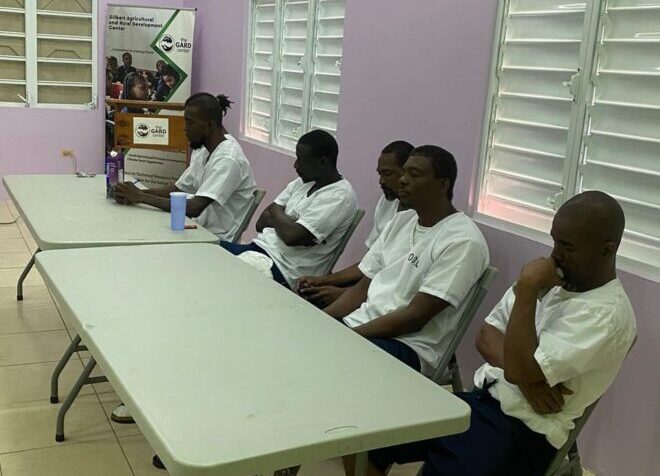
The twin-island nation of Antigua and Barbuda has formally rolled out a sweeping three-year correctional system transformation agenda, designed to shift the country’s prison framework from a primarily punitive model to one that prioritizes inmate rehabilitation, meaningful skill development, and seamless societal reintegration for formerly incarcerated people. The landmark 8-pillar reform blueprint was formally presented to the national Cabinet on Wednesday by Superintendent of Prisons and Deputy Commissioner of Police Albert Wade, who laid out targeted upgrades spanning operational efficiency, rehabilitative programming, and critical infrastructure upgrades for the 2026 to 2029 implementation window. Speaking at a post-Cabinet media briefing on Thursday, Maurice Merchant, Director General of Communications in the Office of the Prime Minister, emphasized that the new strategy will place unprecedented focus on equipping incarcerated populations with marketable, hands-on competencies via structured apprenticeship placements and purpose-driven productive activities. Priority expansion areas flagged under the plan include agricultural programming, facility maintenance training, and a broad suite of certified vocational tracks for inmates. During the Cabinet deliberations, officials also reviewed the longstanding Rule 197 of the national Prison Rules, a regulation that mandates all sentenced prisoners participate in gainful, useful work as part of their correctional tenure. Under the proposed adjustments to this framework, authorities are looking to ramp up the number of inmates assigned to the operational prison farm from the current 12-person cohort to roughly 50 participants, alongside a planned increase to the daily stipend disbursed to prisoners who complete approved productive work assignments. The full scope of the reform package goes far beyond work and training adjustments: it also includes draft provisions to launch a formal parole system, research and roll out evidence-based non-custodial sentencing alternatives for low-risk offenders, and raise the standard of on-site and off-site healthcare services accessible to all inmates. In response to longstanding documented concerns about severe overcrowding and structural safety risks at sections of His Majesty’s Prison, Cabinet has also directed relevant public security officials to accelerate planning for a brand new, additional correctional facility to ease pressure on existing aged infrastructure. Merchant confirmed that Wade will revise the full draft proposal to incorporate all feedback and formal directives from Cabinet, with the updated written submission set to be tabled for formal review ahead of the body’s next scheduled meeting. At this stage, senior government spokespersons have not released the full phased implementation timeline or the total projected budget allocated for the multi-year reform initiative. The details of the reform plan are drawn directly from official Cabinet meeting notes dated November 25, 2026, and the subsequent post-meeting press briefing held the following day.
Three-year prison reform plan to focus on rehabilitation and job skills