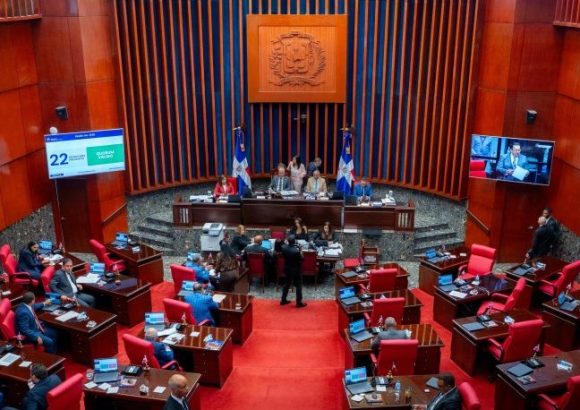
Santo Domingo, Dominican Republic – In a packed, priority-driven legislative session held on Tuesday, the Dominican Republic’s Senate moved with exceptional urgency to pass two high-priority bills across two required readings, alongside advancing a slate of additional regulatory and international cooperation measures designed to address pressing national challenges. The flagship piece of fast-tracked legislation is a revision to the 2026 General State Budget, crafted explicitly to mitigate the strain of persistently elevated global market prices for critical commodities including crude oil, energy supplies, agricultural fertilizers and staple food imports. Senators voted unanimously to endorse the exact text of the budget amendment that had already cleared the Chamber of Deputies, with no proposed modifications to the draft. The revised budget allocates expanded public funding to expand existing fuel and residential electricity subsidy programs, alongside ramping up targeted public investment in infrastructure and social support frameworks to shield households and small businesses from cost-of-living pressures. The bill will now be transmitted to President Luis Abinader’s office for final signature and formal enactment into law. Alongside the budget adjustment, lawmakers gave second-reading approval to a separate temporary firearms amnesty bill, a public safety initiative designed to reduce the volume of unregistered, irregularly held civilian weapons circulating across the country. The policy creates a defined window during which eligible residents who hold unregistered firearms will face no criminal liability if they either voluntarily surrender their weapons to law enforcement or complete a streamlined process to regularize their registration under existing domestic firearms rules. Beyond these two core passed bills, the Senate session advanced a suite of additional legislative items: a proposed regulatory framework to standardize safety, crowd management and permitting rules for mass public gatherings and commercial entertainment events; the draft Organic Law on Mental Health, which was formally reviewed under procedural Article 32 before being tabled to allow for extended stakeholder consultation and public feedback ahead of a future vote; a new regulatory bill to govern and support the fast-growing recreational nautical tourism sector, which is a key driver of coastal regional economic activity; and a bilateral Air Services Agreement negotiated between the Dominican Republic and Oman, intended to expand direct flight connectivity, boost two-way tourism flows and strengthen commercial ties between the two nations.