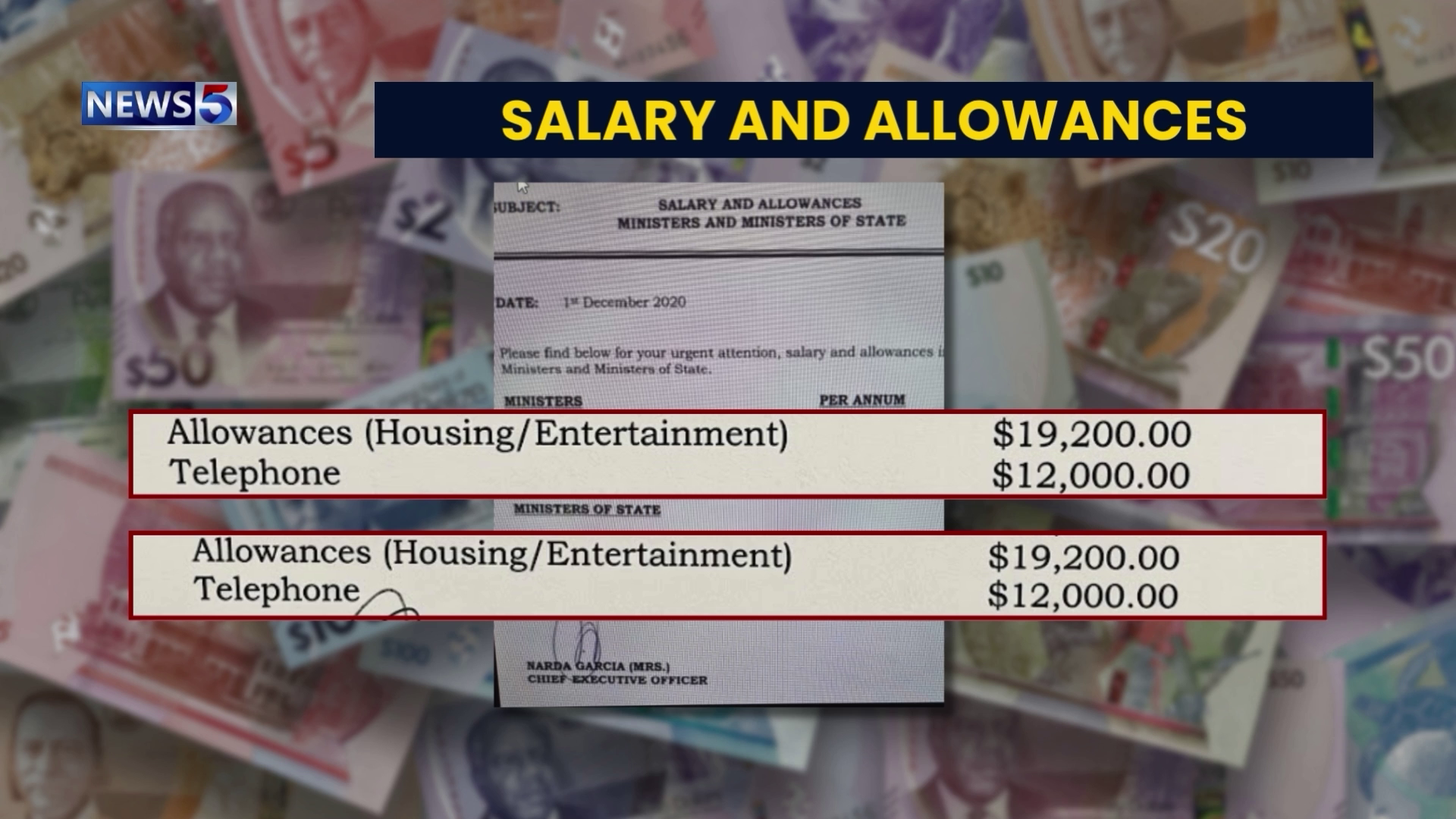
On November 23, 2026, Prime Minister John Briceño of Belize publicly addressed a newly implemented government policy that slashes all Cabinet ministers’ discretionary allowances by 50% as a core component of the administration’s broader national relief framework. The policy initially sparked widespread pushback from several members of the Cabinet, who raised objections that the reduction would directly erode the pool of on-demand funding they rely on to deliver rapid, targeted support to constituents facing unforeseen personal hardships, including urgent medical costs, overdue utility bills, and other immediate household crises. In his first public remarks defending the measure, Prime Minister Briceño acknowledged that he and every member of his cabinet shared those very same practical concerns, noting that the affected allowances have long served as a critical, no-red tape resource for frontline constituency outreach that often fills gaps left by formal government social service programs. Despite those practical tradeoffs, Briceño emphasized that the policy was crafted first and foremost as a deliberate public signal of shared sacrifice. He clarified that the total combined value of the allowance cuts amounts to just over $100,000, a sum too small to move the needle on the national federal budget’s bottom line, but large enough to demonstrate to Belizean citizens that elected officials are voluntarily contributing to collective burden-sharing amid widespread economic strain, rather than asking ordinary residents to bear the full weight of ongoing cost-of-living pressures. The Prime Minister noted that the gesture is designed to validate public experiences of financial hardship, communicate that the administration is closely attuned to grassroots struggles, and model accountability by ensuring government leadership participates in collective relief efforts alongside the general population. This announcement was delivered as part of the national evening television newscast, whose transcript was made publicly available to online readers, with Kriol language segments from broadcast speakers transcribed using a standardized, official orthography for accessibility.