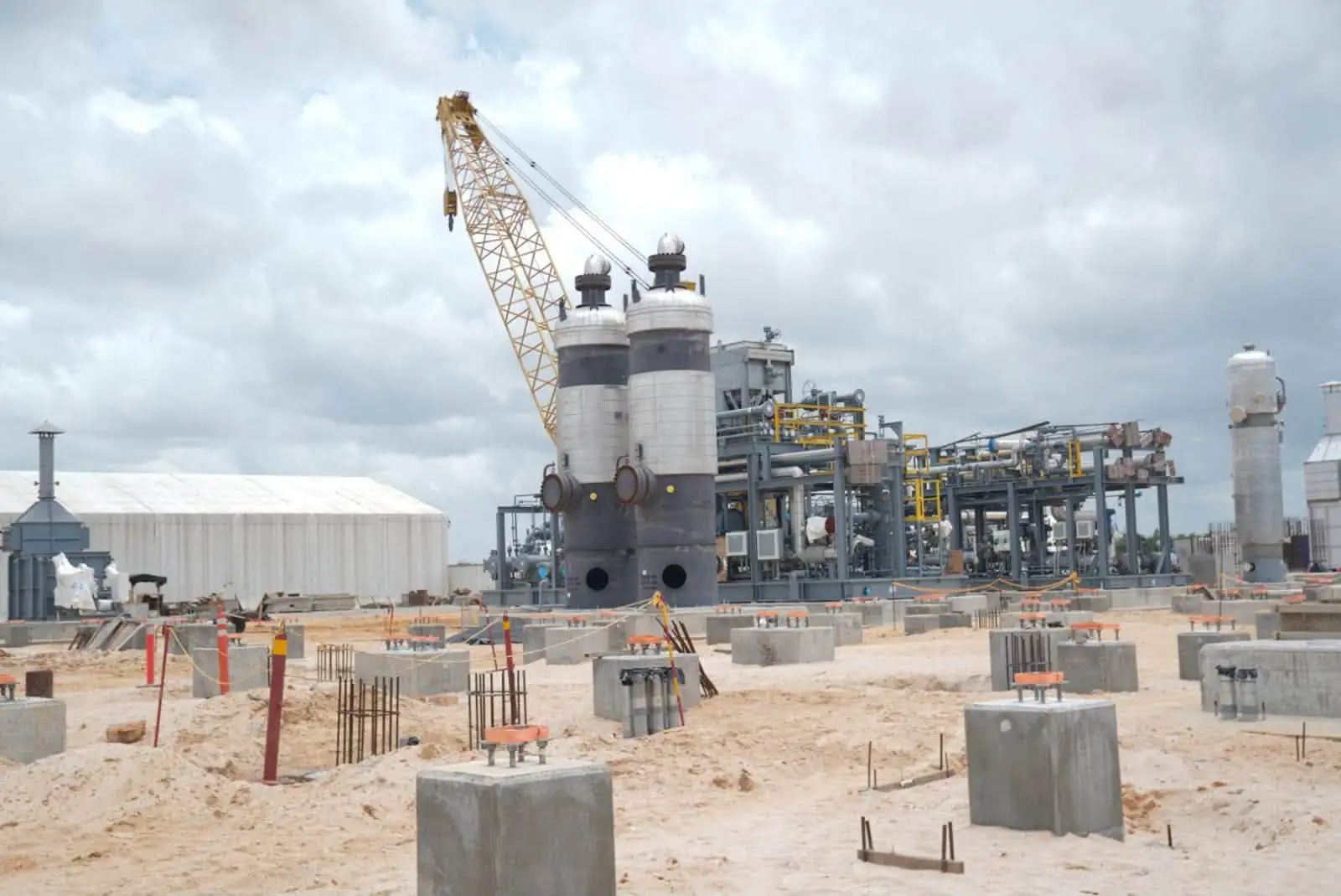
Delivering updates during a heated parliamentary session on November 23, 2026, Guyana’s Prime Minister Mark Phillips confirmed that the total price tag for the long-delayed 300-megawatt natural gas-fired power facility at Wales, West Bank Demerara, has swelled from an initial contracted US$759 million to US$956 million, edging dangerously close to the US$1 billion threshold. The latest 12-month cost escalation stems from an additional US$100 million claim submitted by U.S.-based prime contractor LINDSAYCA in the past six months, bringing the firm’s total supplementary demands to US$200 million, of which US$170 million has already been disbursed by the government. The newly approved GYD$24.7 billion tranche of funding, greenlit by the National Assembly during cross-party deliberations on supplementary energy sector appropriations, is largely structured to resolve a pending arbitration dispute over unbudgeted soil stabilization works that the former CH/LINDSAYCA joint venture completed at the site. This latest payout comes on top of the 12.8% (US$97.15 million) cost overrun that the administration first disclosed in May 2026. Fielding tough questions from opposition A Partnership for National Unity (APNU) parliamentarians, including APNU leader Dr. Terrence Campbell’s query about whether a strict expenditure cap, penalty framework and ban on future supplementary requests would be enforced, Phillips acknowledged he could not make absolute guarantees for unforeseen future developments, but stated he did not “envisage any further slippage” and confirmed the government operates on an open-book, milestone-based payment model that only releases funds upon verified completion of predefined work packages. The administration now targets a first-quarter 2027 commissioning date for the flagship power plant. Notably, the US$956 million project cost does not include the separate US$1 billion natural gas pipeline built and financed by oil major ExxonMobil, which Guyana will repay over time, though the country will receive all associated gas feedstock for the facility at no direct cost. Phillips also defended the government’s controversial sole-sourcing decision for 260-megawatt phase two turbines for the broader Wales gas-to-energy complex, explaining that authorities have already submitted a 10% down payment to German industrial manufacturer Siemens Energy, with a second 10% payment of roughly US$20.3 million set to be disbursed following the National Assembly’s latest funding approval. He justified skipping a competitive tender process by noting that global demand for heavy-duty industrial turbines has created extreme supply chain backlogs, and Siemens Energy is the only original equipment manufacturer able to deliver the required units on a timeline that keeps phase two on track for its 2030 operational launch, via a long-lead procurement agreement that locks in supplier capacity with upfront partial payments, with the remaining balance to be settled at a later stage.
Cost of Wales natural gas electricity, liquids plants closer to US$1billion; govt defends buying turbines for second phase without procurement