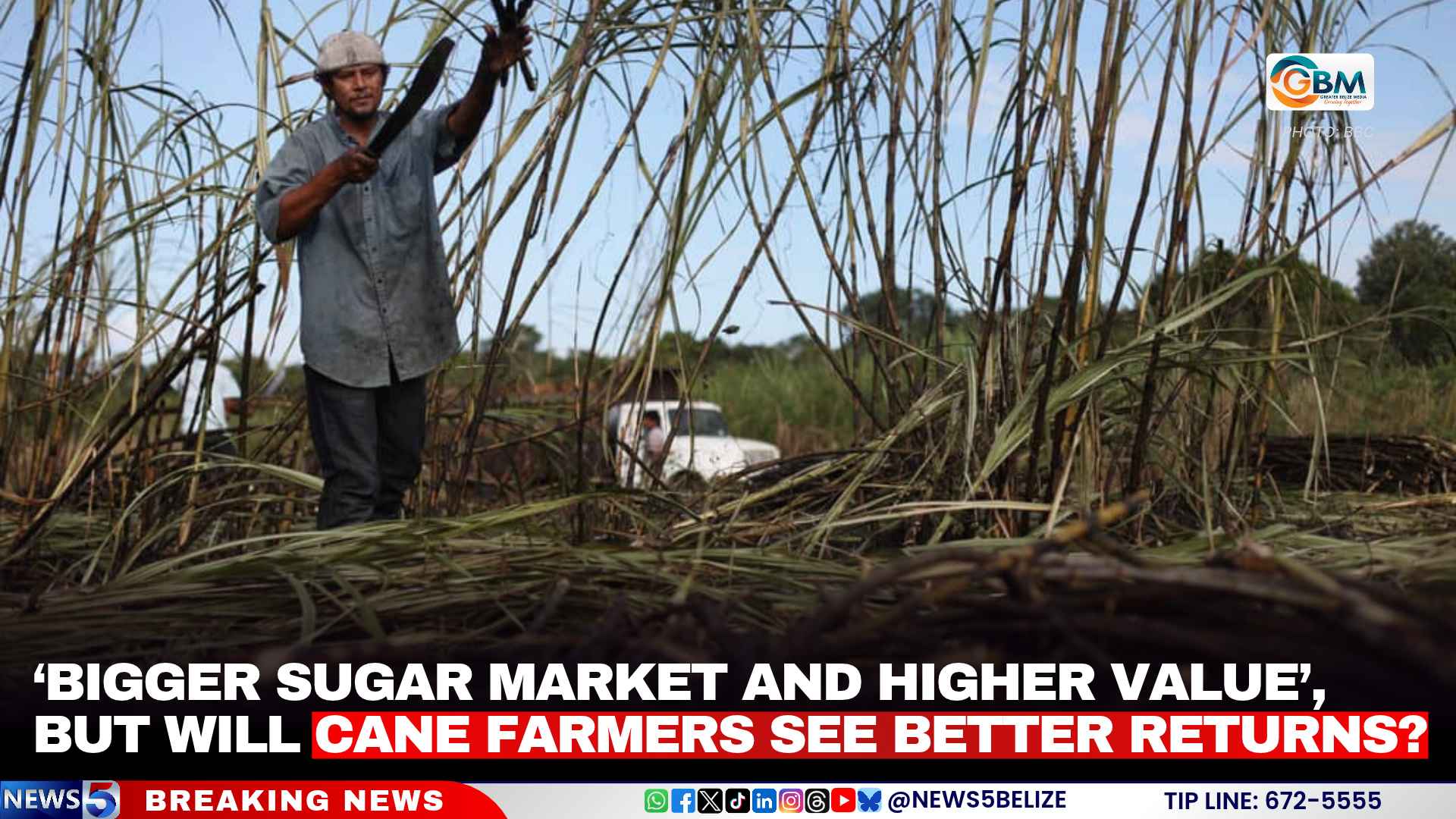
On November 23, 2026, the emerging transformation of Belize’s longstanding sugar sector is drawing mixed attention from industry stakeholders, as the newly launched Caribbean Sugar Refinery (CSR) based at Santander Sugar Group’s Cayo District site positions the nation to tap into a far more profitable regional refined sugar market, rather than relying on low-margin raw sugar exports to global buyers. The state-of-the-art facility is designed to supply processed refined sugar directly to Caribbean-wide food and beverage manufacturers, spanning soft drink bottling operations, commercial bakeries, and packaged snack producers, a shift that is projected to cut the region’s decades-long dependence on costly refined sugar imports from outside the Caribbean basin and retain far more generated economic value within local communities. Two of Belize’s dominant sugar operators, Santander and Belize Sugar Industries (BSI), have aligned their investment roadmaps to support this regional supply overhaul: Santander leads day-to-day operations of the new CSR facility, while BSI is rolling out a $50 million multi-year capital expansion plan, set to unfold over the next 3 to 4 years, that will lift total national sugar output by 25% and directly advance the Sugar Association of the Caribbean’s official regional food self-sufficiency targets. Belize Prime Minister John Briceño has framed the industry pivot as a landmark economic win, noting that processing raw cane into higher-value refined products locally before distribution to regional markets will not only boost overall per-unit revenue but also slash redundant international shipping costs associated with bulk raw sugar transport, with remaining profits to be distributed to stakeholders after marketing and operational expenses are deducted. Gilbert Canton, General Manager of Valley of Peace Farms, echoes this cautious optimism, noting that the new closed regional market structure will shield Belizean and Caribbean cane farmers from predatory global “dump sugar” pricing that has long suppressed their earnings, replacing volatile global market rates with far more stable, profitable regional price benchmarks. Yet for the thousands of smallholder cane farmers who form the foundational backbone of Belize’s sugar industry, significant unresolved barriers stand between the refinery’s ambitious growth projections and tangible improvements to their livelihoods. Alfredo Ortega, Chairman of the Belize Sugar Cane Farmers Association (BSCFA), emphasized that restoring cross-stakeholder trust must be the top priority for the sector moving forward, pointing to long unaddressed operational pain points including frequent unplanned mill breakdowns and delayed cane delivery schedules that often leave freshly harvested crops rotting in fields, generating massive avoidable losses for growers who already pour extensive personal capital into cultivation each season. Ortega also flagged a critical structural gap in current industry governance: farmers hold no formal decision-making power over the marketing of sugar, molasses, or any other byproducts derived from their harvests, with full control of all sales processes remaining exclusively in the hands of BSI. To remedy this, he is calling for targeted, fair amendments to the national Sugar Industry Act that would grant farmer representatives a formal seat at the commercial negotiation table, alongside mill operators and government regulators. Beyond governance reforms, Ortega outlined a suite of systemic challenges limiting farmers’ ability to scale production to match the refinery’s expanded output targets, including widespread lack of access to formal land titles that blocks access to low-interest agricultural financing, skyrocketing fuel and farm input costs, worsening crop damage driven by El Niño-fueled extreme weather and broader climate change impacts, and persistent unmanaged pest outbreaks that drag down annual yields. Despite these steep hurdles, BSCFA leadership confirms that smallholder farmers remain fully committed to ramping up production, provided the government and mill operators deliver the promised structural reforms and targeted support to ensure the added value from the new refined sugar market is shared equitably across the entire supply chain, rather than being concentrated exclusively among large processing and export firms.
‘Bigger Sugar Market and Higher Value’, But Will Cane Farmers See Better Returns?