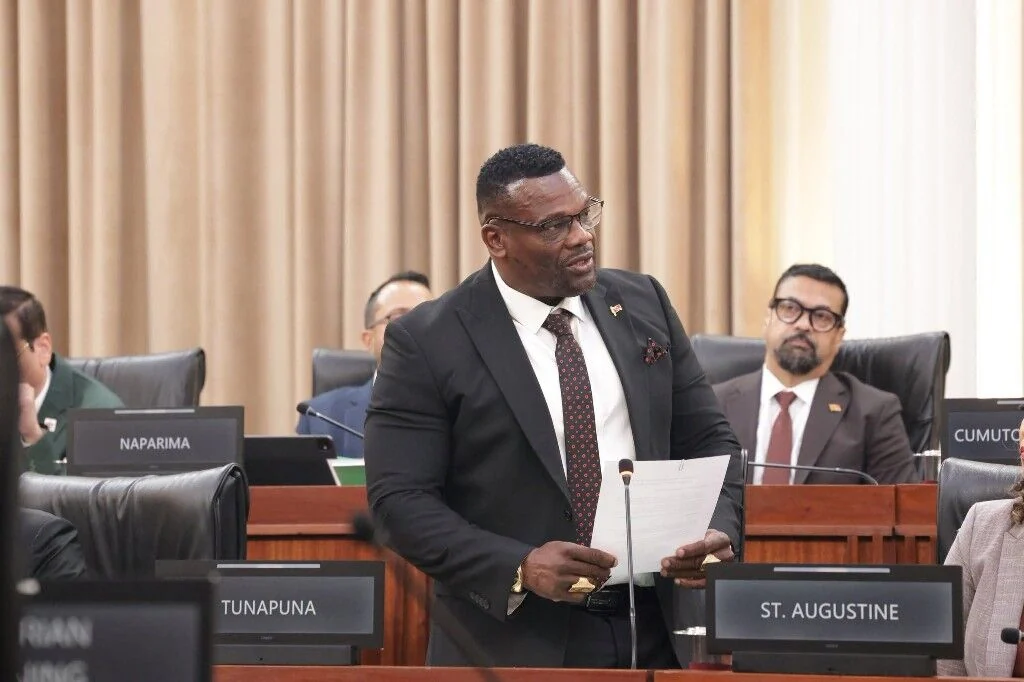
Trinidad and Tobago’s Minister of Homeland Security Roger Alexander has confirmed he will table a set of targeted policy and legislative reform proposals before the national Cabinet, following a multi-stakeholder consultation focused on closing gaps in animal welfare protections and mitigating widespread harm linked to unregulated fireworks use. The closed-door Saturday meeting drew participation from a broad cross-section of relevant stakeholders, including Agriculture Minister Ravi Ratiram, licensed veterinarians, leadership from the Trinidad and Tobago Society for the Prevention of Cruelty to Animals (TTSPCA), local animal shelter operators, and leading animal welfare advocacy groups. In a public video statement shared across official government social media channels immediately after the consultation, Alexander emphasized that the core set of draft measures will prioritize addressing longstanding complaints of excessive noise pollution stemming from unregulated firework detonations, which have been documented to cause severe distress to vulnerable human populations including immunocompromised patients, elderly residents with sensory sensitivities, and young children, alongside widespread trauma for domestic pets, farm livestock, and captive wildlife at the national zoo. Alexander highlighted the global availability of certified noiseless, low-impact fireworks as a viable, practical solution to cut down on unnecessary explosive disturbances, framing the proposed policy shift as a moral imperative for the national administration. “We are a nation of caring people, and our government has a responsibility to intervene to end this avoidable suffering immediately,” Alexander stated, noting that cascading harm to both human communities and animal populations can no longer be overlooked. This policy push arrives at a moment of surging public pressure from animal welfare organizations, which have spent years campaigning for stricter enforcement of existing protections against animal abuse, rather than solely drafting new rules. The existing Animals (Diseases and Importation) (Amendment) Act of 2020 already codifies mandatory welfare standards for all animals, including guaranteed access to nutritious food, potable clean water, safe shelter, and timely veterinary care, while classifying deliberate cruelty, neglect, and mistreatment as criminal offenses carrying maximum penalties of $200,000 in fines and up to five years of custodial sentence. Despite these robust statutory provisions, enforcement data exposes stark gaps: official police records document only 33 verified animal cruelty reports filed between January 2020 and May 16, 2025, resulting in a mere four arrests and two successful convictions, a statistic advocacy groups describe as a systemic failure to deliver justice for abused animals. Even separate 2025 amendments to the Summary Offences Act, which introduced strict fireworks discharge rules requiring permits for most use cases, banning detonations near sensitive sites including hospitals, airports, zoos, registered animal shelters, livestock farms, forest reserves and national parks, and limiting unpermitted use to a narrow 60-minute window on select public holidays and New Year’s Eve, have faced consistent criticism for weak enforcement and widespread public noncompliance, with breaches carrying only a modest $450 fixed penalty. Public reaction to Alexander’s announcement on social media has been sharply divided, with many campaigners expressing urgent frustration over decades of unfulfilled reform promises. The Animals 360 Foundation called for immediate action, urging policymakers to remove fireworks from general public circulation entirely and roll out a government-subsidized national spay and neuter program to reduce stray animal suffering. Leading advocacy group For A Compassionate Trinidad and Tobago (FACTT) warned that the new proposals risk being empty political rhetoric unless fireworks are fully restricted from public access, describing unregulated consumer fireworks as a persistent public safety and animal welfare menace. Longtime animal welfare advocate Nalini Dial also pushed back on calls for new legislation entirely, noting that a full animal welfare law review committee was already convened under former Agriculture Minister Clarence Rambharat, with draft reform frameworks already tabled before Parliament in prior years. Dial criticized the government for failing to prioritize training for law enforcement officers to fully understand and enforce the existing 2020 animal cruelty statutes, arguing that strengthening implementation of current laws would deliver far faster results than drafting new, unenforced rules. Alexander has not yet publicly shared full details of the specific policy and legislative adjustments he intends to present to Cabinet, nor confirmed an exact timeline for when the formal proposal package will be submitted for ministerial review.