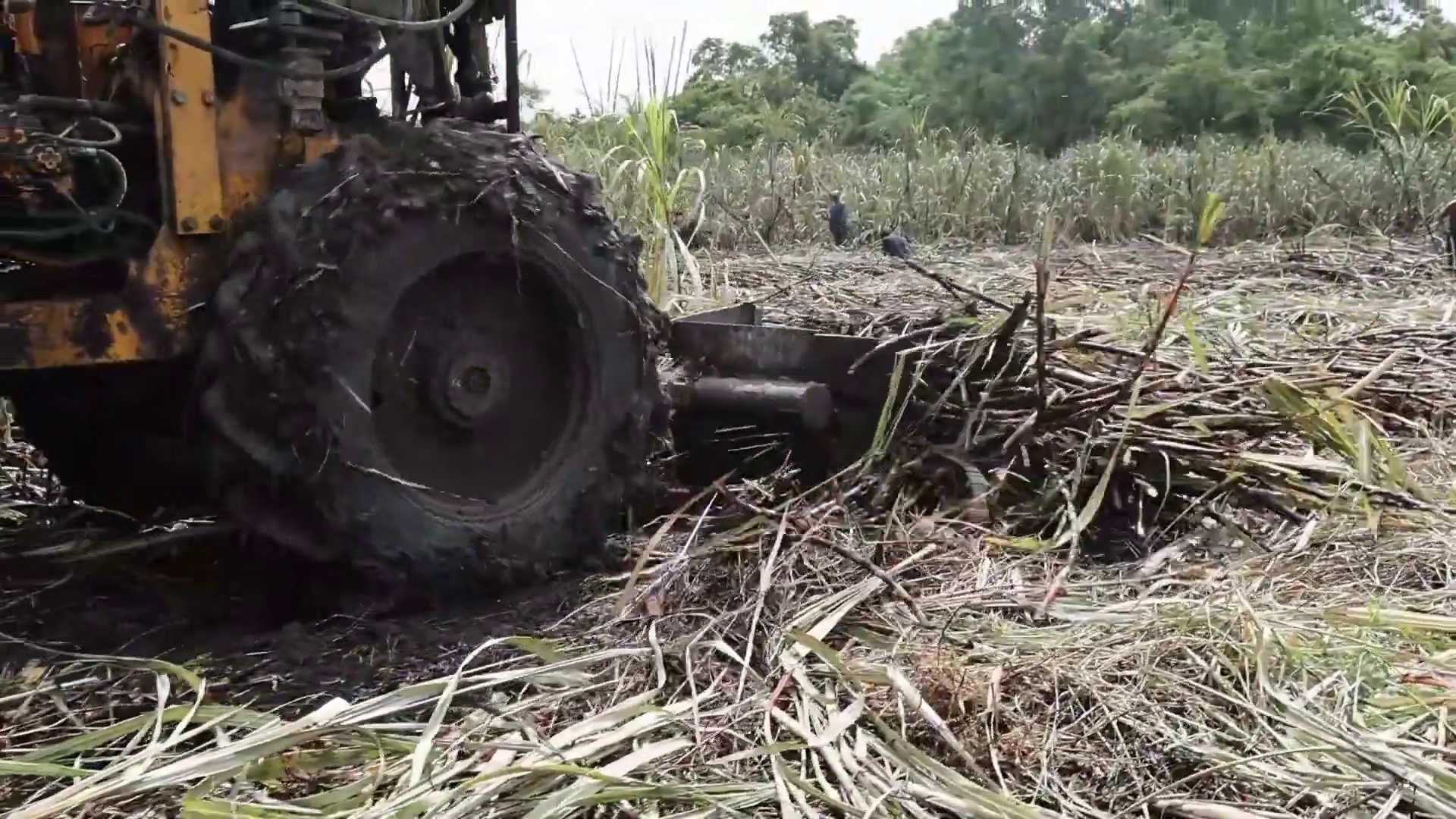
On November 20, 2026, the Belize Sugar Industry (BSI) announced a landmark $50 million multi-year investment rollout scheduled for deployment over the next 3 to 4 years, with a core target of ramping up total production capacity by 25% to cement its status as the largest sugar producer across the CARICOM bloc. The announcement came on the heels of the Sugar Association of the Caribbean’s annual general meeting hosted in Barbados last week, where representatives from the region’s four remaining active sugar producing nations — Barbados, Belize, Jamaica, and Guyana — gathered to align on a coordinated regional self-sufficiency roadmap for refined sugar supplies. BSI’s Communications and Government Affairs Officer William Neal noted that the recent integration of the Santander refinery has triggered a “seismic shift” in regional production capabilities, moving the Caribbean community closer to full self-reliance on high-quality local sugar supplies rather than relying on external imports. The multi-million dollar investment portfolio is earmarked for two interconnected priority tracks: on the mill side, upgrades to core boiler infrastructure will boost operational reliability and increase daily cane grinding throughput, while a new golden brown sugar value-added project will expand access to premium specialty sugar products across CARICOM consumer markets, alongside broad efficiency overhauls for all mill operations. On the agricultural side, the funding will roll out two targeted farmer support frameworks: the Smart Grow precision agriculture initiative and the AgroPro end-to-end farm management program, designed to optimize outcomes for local growers from pre-planting planning all the way through post-harvest logistics. Neal emphasized that under BSI’s existing revenue sharing model, cane farmers are entitled to 65% of all proceeds from final sugar sales, meaning every uptick in production volume or value-added product revenue will translate directly to higher per-ton cane pricing for suppliers. However, the Belize Sugar Cane Farmers Association (BSCFA) has raised urgent, substantive concerns that threaten to derail the ambitious expansion before it can get off the ground, according to association chairman Alfredo Ortega. While Ortega acknowledged that Belize has untapped potential to supply more than 200,000 tons of sugar annually to CARICOM markets, he warned that a widespread breakdown of trust between mill operators and smallholder growers, paired with longstanding operational bottlenecks, create critical unaddressed risks. Many farmers currently face costly losses when harvested sugarcane is left stranded in fields to rot due to unplanned mill processing delays, eroding their already thin profit margins. Compounding these challenges, rising climate volatility and surging crop pest infestations have already driven down 2026 yields, while roughly 80% of smallholder farmers lack formal legal land title documents that are mandatory to access institutional agricultural loans to replant fields and boost productivity. Ortega also highlighted that high operating costs and low, inconsistent returns are discouraging young Belizeans from entering the sugarcane farming sector, creating a looming generational labor gap that could undermine long-term expansion targets. He called for immediate collaborative action to formalize land tenure support for growers, upgrade existing milling infrastructure to eliminate harvest backlogs, and establish formal shared decision-making seats for farmer representatives in regional sugar marketing strategy, to rebuild mutual trust across the supply chain before the $50 million expansion funding is disbursed.