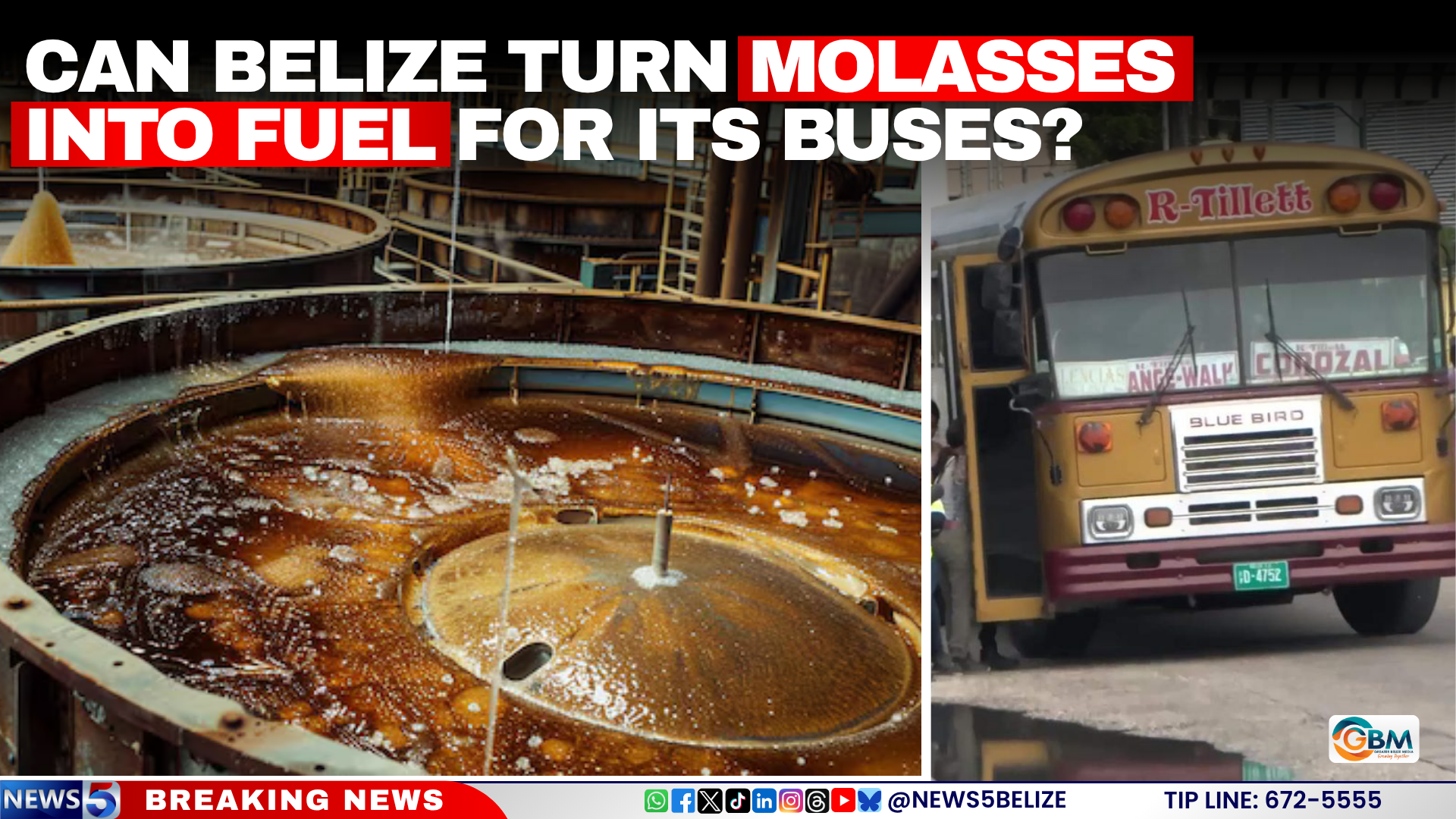
On November 20, 2026, emerging plans out of Belize could reshape the country’s public transportation landscape while unlocking new value for its longstanding sugar sector, as the Belize Bus Association (BBA) advances a multi-pronged overhaul centered on locally produced ethanol fuel. The core of the BBA’s proposal hinges on repurposing molasses, a widely available byproduct of the nation’s sugar manufacturing operations, to produce ethanol that would power fleets of passenger buses, a model already proven at scale in major global markets such as Brazil. The initiative is framed to cut Belize’s costly dependence on imported fossil fuels, create a new steady revenue stream for local sugar producers, and lay the groundwork for broader modernization of the country’s aging bus transit network. Senior government officials have signaled cautious openness to the concept, while emphasizing that rigorous independent evaluation will precede any formal state backing. Transport Minister Dr Louis Zabaneh noted that any proposal moving forward will require full vetting to map real-world operational feasibility, total required capital investment, and alignment with existing national transit priorities, referencing the thorough independent analysis that preceded the government’s past rollout of reforms for the state-run National Bus Company as a benchmark for review. Independent economist Rudolph Castillo, who has consulted on the BBA’s blueprint, outlined a phased, low-risk rollout designed to minimize upfront financial risk for all stakeholders. The plan would launch with a small pilot program deploying just two ethanol-powered buses, to test fuel efficiency, engine compatibility, and overall performance under Belize’s unique local road and climate conditions. If the pilot delivers positive results, the program would scale to 25 ethanol-fueled buses, paired with a modular ethanol production facility that would start at a capacity calibrated to meet that initial fleet’s fuel demand, before expanding in incremental stages to hit a targeted annual output of 600,000 gallons as more buses transition to the fuel source. Alongside the ethanol transition, the BBA is pushing for sweeping service upgrades across the private bus sector, including the rollout of digital ticketing systems, online reservation platforms, and cashless card payment options, as well as the formation of a unified operator cooperative that would help small bus owners negotiate better wholesale part pricing, access low-interest financing, and streamline fleet modernization efforts. Castillo stressed that the next critical step for the proposal is securing formal government endorsement, a prerequisite to unlock public and private funding for the required full feasibility study that will formalize cost projections and de-risk the project for outside investors.