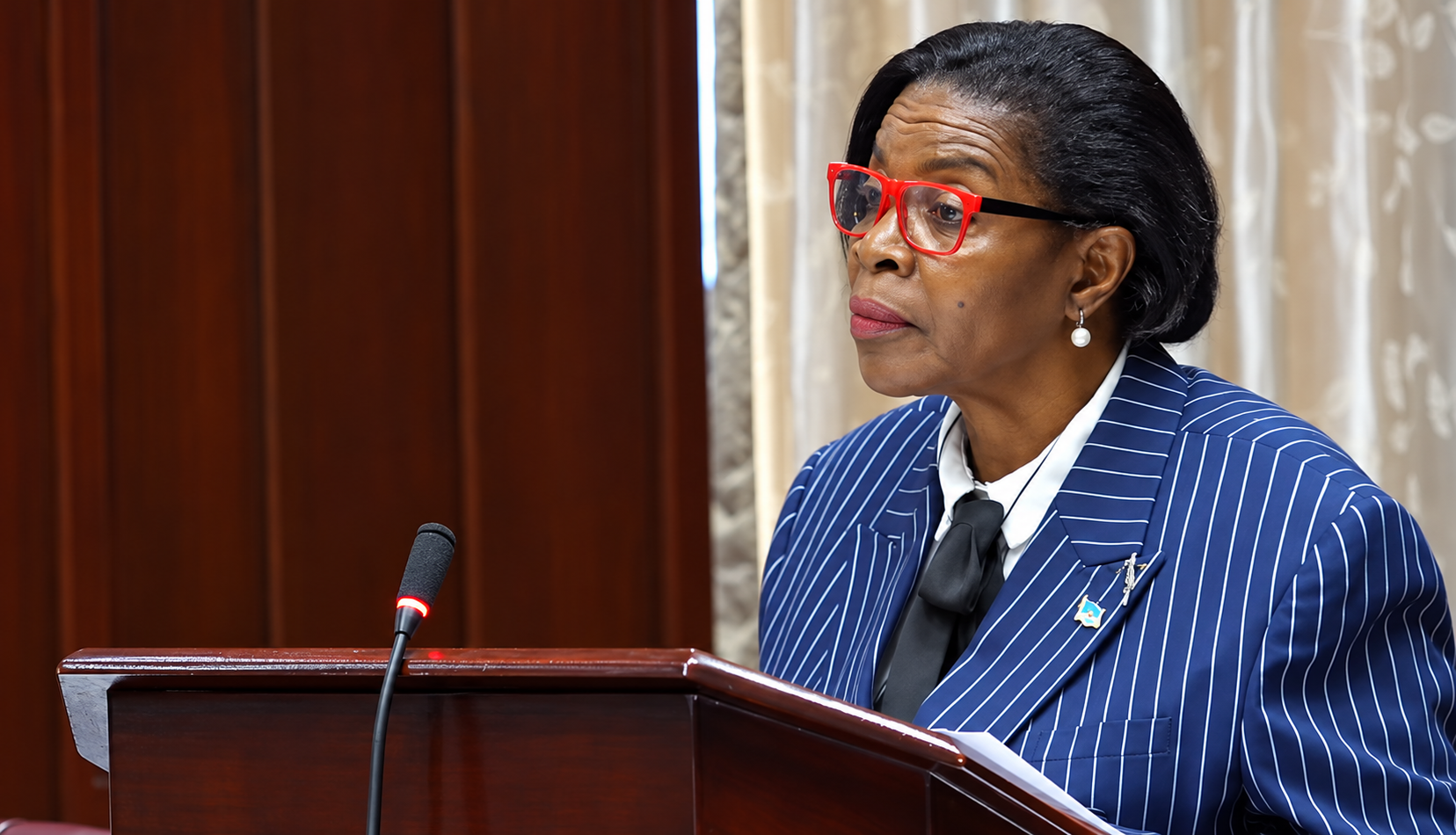
On the occasion of this year’s International Men’s Day commemorations held on November 19, Saint Lucia’s Minister for Equity, Social Justice, Gender and Older Persons Emma Hippolyte announced that the Caribbean nation’s government is conducting a full-scale review of its existing gender equality policy framework, with the explicit goal of integrating a formal, holistic engagement strategy for men and boys across all relevant public sector programming.
The ongoing policy assessment draws on data and feedback collected through the government’s recently launched Fathers Who Care initiative, which first debuted in June 2024 to coincide with global Father’s Day observances. Designed to foster more active, hands-on paternal involvement in child rearing and household care, the program’s dedicated outreach team has spent the past months hosting community sessions to connect men — particularly new and disengaged fathers — with peer support networks, and create structured channels for them to voice unique challenges they face related to caregiving, mental health, and social role expectations.
While Hippolyte acknowledged that measurable progress on the initiative has been gradual since its launch, she confirmed that tangible, encouraging headway has been recorded across multiple island communities. The expanded, upcoming national strategy will not only build on the Fathers Who Care model, but also establish formal dedicated support spaces for men and boys to access targeted resources, guidance, and education to better navigate the varied responsibilities placed on them as family members, community leaders, and contributors to national development.
This year’s global International Men’s Day carried the core theme “The Future is Everyone”, but Saint Lucia developed a localized national theme: “Every Man, A Potential Father Who Cares”. Minister Hippolyte explained that the tailored national framing is intentionally designed to engage all segments of the public, not just men and boys, to underline a critical reality: the struggles and successes of men are never isolated, and ripple outward to shape the well-being of the women, children, and entire communities around them. “When men thrive, we all thrive. When a man suffers, he does not do so in isolation — the people closest to him, especially the women and children in his household, bear the weight of that hardship too,” Hippolyte stated in her official public address.
Highlighting the irreplaceable role of fathers as intergenerational guides, positive role models, and informal mentors for young people across the island, Hippolyte emphasized that the new integrated strategy will reinforce support for men to fulfill their caregiving and provider responsibilities to the best of their ability. She closed her remarks with a public call to all Saint Lucian residents to participate in building a more supportive social environment that empowers men to become responsible, engaged citizens, and directly appealed to men across the country to leverage their unique time, skills, and available resources to contribute to collective nation-building efforts. “To every man in our nation: you matter, your contribution matters, and you are irreplaceable. Prioritize your own growth, choose collective progress, and help us build a shared future that works for every single one of us,” she concluded.
Government reviewing approach to engaging men and boys