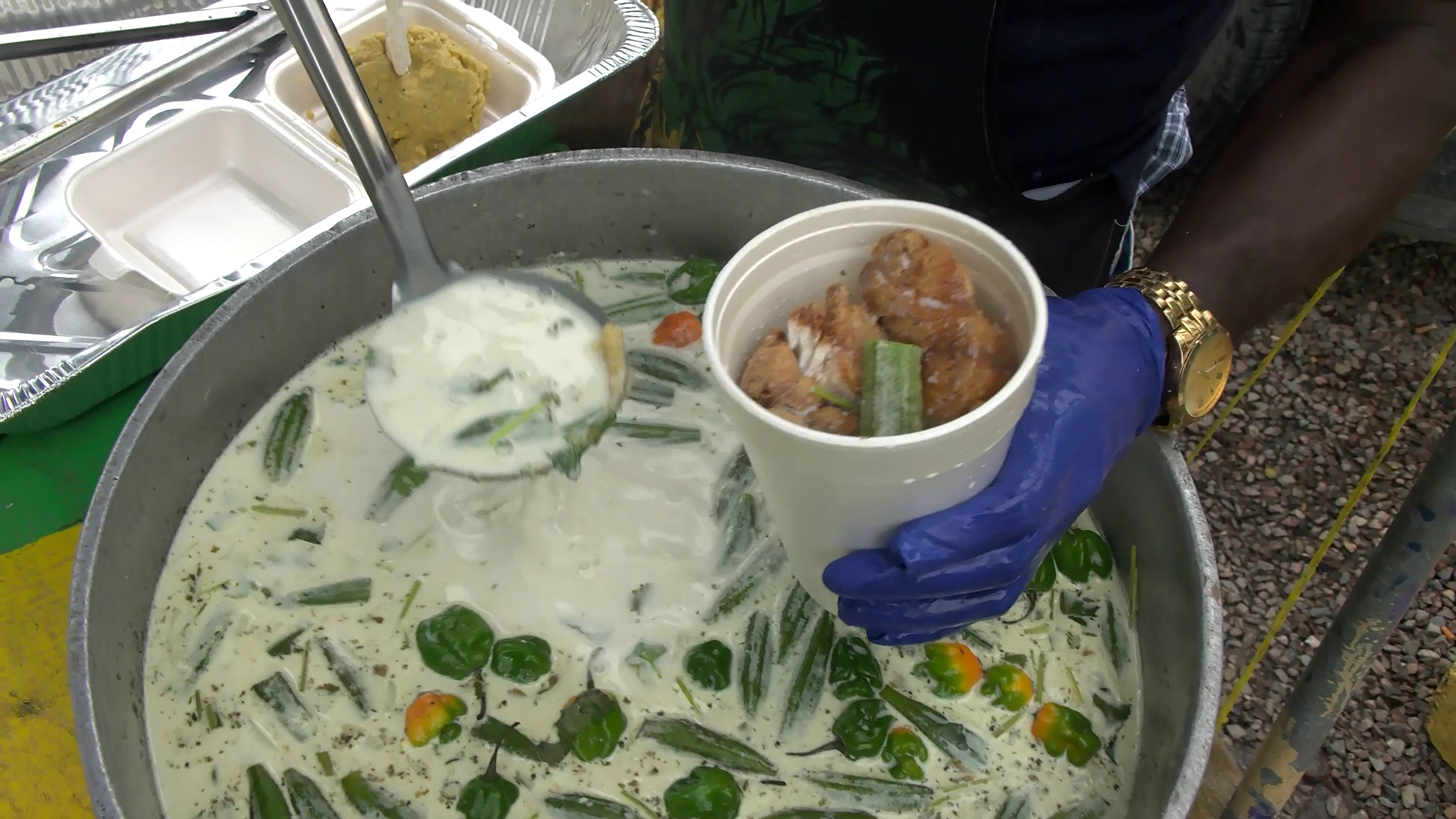
As of November 17, 2026, a growing crisis is unfolding across Belize’s culinary landscape: the beloved generational Garifuna staple hudut, a dish that has long united communities across the country, is facing unprecedented strain as soaring ingredient, labor, and operational costs push local food vendors to a precarious financial crossroads. For decades, hudut has stood as more than a meal — it is a core pillar of Garifuna cultural heritage, prepared through slow, intentional processes that demand hours of skilled, physically intensive work before a single plate ever reaches a customer’s table. At the popular local eatery Naked Chicken, Chef Ainsley Castro has watched the cost of every core component of the dish surge to unmanageable levels in just a matter of months. Where large, ripe plantains once sold at two for one Belize dollar, a single comparable plantain now costs 75 cents. Okra, a non-negotiable ingredient for authentic hudut, jumped from $3 Belizean per pound just one week prior to a current market rate of $8 per pound, and habanero peppers — another irreplaceable staple — are being listed by suppliers at $15 per pound, up from $12 only days earlier. Those sharp price hikes are only the start of the financial burden, as costs for supporting ingredients including cilantro, fresh coconut, and local white fish have also climbed steadily. Beyond raw materials, the hidden labor of making hudut adds another layer of unrecognized expense. The dish cannot be rushed: coconuts must be manually pressed for fresh milk, fish carefully cleaned and seasoned, and boiled plantains pounded repeatedly to achieve the signature smooth, velvety texture that defines the traditional recipe. Kitchen assistant Deletha Sabal spends 30 to 35 minutes at a time, sometimes longer during peak service hours, stirring the hudut base over the intense open heat of a traditional fyah heart stove, work that she describes as a labor of love that forms the unseen core of the dish’s iconic flavor. Even non-food costs have spiked sharply: the 16-ounce serving cups, takeout packaging, disposable cutlery, and plastic bags that Castro uses to serve portions have all risen in price in recent months, adding even more overhead that must be accounted for in final menu pricing. Castro notes that most regular customers are already aware of the widespread cost of living increases across Belize, and understand that the price adjustments are not arbitrary profit grabs. But that leaves small food vendors balancing on a razor’s edge: if they absorb the rising costs themselves, they risk shrinking profit margins so thin they can no longer keep their businesses afloat, but if they raise menu prices too steeply, many long-time patrons will no longer be able to afford the cultural staple. What was once an accessible, everyday community meal now stands at risk of becoming a luxury item, threatening to erode a centuries-old culinary tradition that has been passed down through Garifuna families for generations. As reporter Paul Lopez notes after tasting a fresh, hot serving of Castro’s hudut, the dish’s signature blend of sweet plantain, creamy coconut milk, tender okra, and crispy seasoned fish remains unmatched — but preserving that beloved taste for future Belizean generations will require navigating a rapidly rising cost landscape that puts both small food businesses and cultural heritage at stake.