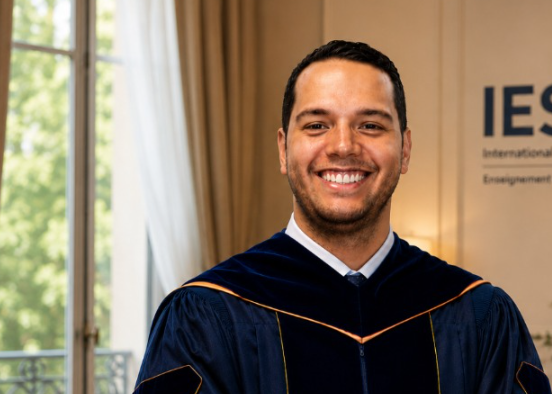
A pioneering regional research initiative centered on mapping the professional and personal wellbeing of frontline healthcare staff across the Caribbean is on track to expand its scope to Saint Lucia no later than April 2027, with project leaders aiming to generate context-specific, actionable data to design targeted support systems for nurses, physicians, and allied medical professionals. Co-led by Saint Lucian academic Professor Jimmy Naipaul, affiliated with the School of Medicine at Rajiv Gandhi University of Science and Technology, the cross-border investigation analyzes the direct links between day-to-day working conditions and healthcare workers’ broader professional quality of life — measuring how occupational demands shape their physical health, mental resilience, and sense of career fulfilment, to identify gaps in existing support frameworks. The collaborative research team is co-steered alongside Professor (Dr) Rajini Kurup of the University of Guyana’s College of Medical Sciences, with additional core members from India’s Sharda University, plus institutional partners spread across Canada, the United States, and France, operating out of a central administrative hub in Guyana. The project comes at a pivotal moment for public health governance across the Americas, as bodies including the Pan American Health Organization (PAHO) increasingly prioritize strategies to strengthen and retain under-resourced health workforces, a policy priority directly tied to both staff retention rates and the overall quality of patient care delivery. While the study currently covers the vast majority of CARICOM member states, researchers emphasize that generic, global healthcare workforce datasets fail to account for the Caribbean’s unique social, cultural, and economic contexts, making region-specific evidence critical for local health authorities, hospital administrations, and medical training institutions to design effective, tailored interventions. Earlier this month, the team’s preliminary findings were presented to a global academic audience at a high-profile Canadian public health event: on November 11, two student research affiliates delivered poster presentations at McMaster University’s annual student-led Public Health Conference in Hamilton, Ontario, a gathering that unites public health trainees, practicing clinicians, and community stakeholders around a 2024 theme of health prevention across every stage of the human lifespan. Guyanese-Canadian public health graduate student Aliya Bacchus, based at McMaster, shared early analysis of Caribbean healthcare workers’ professional quality of life metrics, while Tamil-Canadian medical student Aravi Shanmugalingam, enrolled at Georgetown’s Rajiv Gandhi University of Science and Technology, presented a parallel comparative study of public and private sector healthcare staff’s health-related quality of life in Delhi, India. Though the two preliminary datasets focus on distinct geographic regions, both are anchored in the shared core goal of identifying unmet support needs for frontline care teams, with the research team taking deliberate steps to avoid drawing premature, unsubstantiated conclusions before full data collection is complete. “Every single patient across the Caribbean benefits when the care providers treating them have the support they need to thrive,” noted Professor Naipaul in a public statement. “That is the core purpose of this work, and why the Caribbean deserves evidence built explicitly around its own lived realities, not imported one-size-fits-all frameworks. Aliya and Aravi took this critical regional question to a global stage, and they made our entire region proud.” Dr. Rita Persaud, an assistant professor at Wilfrid Laurier University and a core member of the research collective, added that events like the McMaster conference gain immense value when underrepresented Caribbean academic voices are centered: “Watching those two student researchers present our team’s work with such care and confidence was an absolute joy, and a powerful reminder of the extraordinary untapped talent our region has to offer.” For the two young presenters themselves, the conference appearance marked a meaningful personal and professional milestone. “Healthcare workers dedicate their entire lives to caring for the rest of us, and being part of a Caribbean-led research project that centers their wellbeing as a top priority has been the most rewarding experience of my graduate studies,” Aliya Bacchus shared. Aravi Shanmugalingam echoed that sentiment, noting that “working on this project helped me see the full, complex human beings behind the clinical care patients receive, not just the services themselves. Getting to share that work on an international stage in Canada is an experience I will carry with me for the rest of my career.” The healthcare worker wellbeing study is one component of a far broader multi-country research program examining systemic challenges facing health systems across the Caribbean and other low- and middle-income regions. In recent months, members of the collective have published peer-reviewed papers in leading international public health journals covering topics including cutaneous leishmaniasis, a parasitic skin disease endemic to parts of Guyana, and evidence-based strategies to strengthen blood transfusion services in low-resource settings. Subsets of the team are also actively collaborating with Canadian university partners and Guyana’s national Ministry of Health to refine diagnostic protocols and real-time tracking systems for leishmaniasis cases. Through its sprawling cross-continental partnerships spanning Europe, Asia, the Caribbean, and North America, the initiative is also creating structured pathways for early-career researchers based in the Caribbean and the global diaspora to contribute to projects aligned directly with regional public health priorities — Bacchus, for example, has already committed to centering her future research work on Caribbean public health challenges. The upcoming expansion to Saint Lucia, scheduled to launch no later than April 2027, will invite local nurses, doctors, and allied health professionals across the island to participate in data collection efforts, ensuring their on-the-ground experiences directly shape the resulting policy recommendations. “Saint Lucia is a core part of my identity, and I have seen first-hand how tirelessly its nurses and doctors work for their communities,” Professor Naipaul explained. “I want Saint Lucian healthcare workers to be active co-creators of this research, so that the support systems built for them are rooted in their own lived experiences. It is also an opportunity to show young Saint Lucian students that no matter where their careers take them, they can produce meaningful, impactful research that transforms lives at home.”
Saint Lucian academic helps take Caribbean health research to the world stage