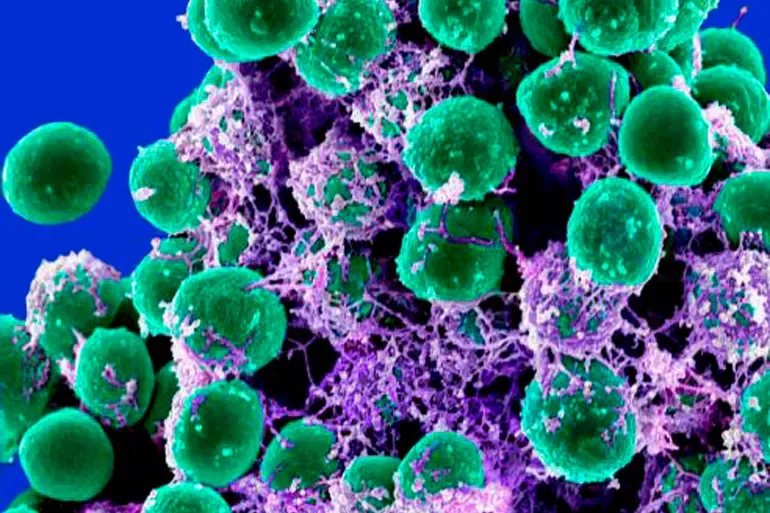
The World Health Organization (WHO) has issued a stark public health warning that unchecked antimicrobial resistance (AMR) could cause more than 39 million excess deaths globally over the next 25 years, threatening to unravel decades of progress in modern medical care. The escalating ability of bacteria and other pathogens to evade standard antibiotic treatments poses such a severe systemic risk that even routine surgical procedures and childbirth could become life-threatening high-risk interventions in the coming decades. The alert was delivered ahead of the annual World Antimicrobial Resistance Awareness Week, running November 18 to 24 this year under the theme “One Health, One Action: Prevent AMR Now.” Speaking at the 6th annual Global Media Forum on AMR, Jean-Pierre Nyemazi, WHO’s Acting Director of the Antimicrobial Resistance Division, emphasized that unlike the highly visible COVID-19 pandemic that captured global public attention in real time, AMR has been silently claiming lives for years without receiving commensurate public and policy focus. Official global mortality data underscores the scale of the ongoing crisis: in 2021 alone, antibiotic-resistant bacterial infections directly caused over 1 million deaths, while an additional 4.7 million fatalities were linked to drug-resistant pathogen strains. Latest 2023 global surveillance data further confirms that 1 in every 6 laboratory-confirmed bacterial infections reported to the WHO showed resistance to the first-line antibiotics prescribed to treat them. Between 2018 and 2023, resistance levels rose for more than 40% of tracked pathogen-antibiotic pairs, with annual growth rates ranging between 5% and 15% across those combinations. While global policy adoption has accelerated in recent years, with 173 out of 183 surveyed countries now having published national AMR action plans (up from just 79 in 2017), implementation remains a critical bottleneck. Only 42 of those national plans have secured dedicated, sustained funding and are being executed at national scale. Progress on core infection prevention frameworks is similarly off track: 128 countries have developed national infection prevention and control guidelines and programs, but only 38% (69 nations) have rolled these programs out across their entire national health systems. The WHO’s 2030 global target requires a minimum of 90% of countries to have fully implemented nationwide infection prevention programs, a milestone the UN health agency warns will be impossible to meet without urgent, targeted investment. Widespread gaps in laboratory diagnostic capacity further undermine global AMR mitigation efforts. While 131 countries operate national reference laboratories capable of testing for resistance in common bacterial strains, just 66 nations have the capacity to test for both bacterial and fungal drug resistance. Only 113 countries maintain systematic tracking systems for antibiotic consumption, and 109 collect standardized AMR surveillance data, with a mere 21 nations integrating both datasets to map the direct links between antibiotic use and emerging resistance patterns. To address these diagnostic shortfalls, the WHO has released two new practical implementation tools for national health systems: the first outlines tiered laboratory testing requirements aligned with different levels of care, from primary community clinics to tertiary specialized hospitals, while the second provides a full standardized manual of 73 validated laboratory procedures covering sample collection, pathogen identification, and antibiotic susceptibility testing. The WHO stresses that improved diagnostic accuracy is critical to ensuring patients receive targeted, effective treatment while eliminating unnecessary overprescription of broad-spectrum antibiotics. The agency also emphasizes that AMR cannot be contained through human health system interventions alone, as widespread use of antimicrobial agents in livestock farming and agricultural production drives the emergence and cross-species spread of resistant pathogens. For this reason, the WHO is calling for full adoption of the cross-sector “One Health” framework, which treats human, animal, plant and environmental health as deeply interconnected. Recommended core interventions under this model include scaled-up infection prevention measures, expanded vaccination coverage, universal access to clean drinking water and sanitation infrastructure, improved hygiene standards, responsible stewardship of antimicrobial use across all sectors, safe disposal of unused pharmaceutical waste, and targeted action to reduce environmental pharmaceutical contamination. Without accelerated, coordinated global action, the WHO warns, a growing share of common infections will become untreatable, eroding the safety of routine medical interventions that billions of people currently take for granted.