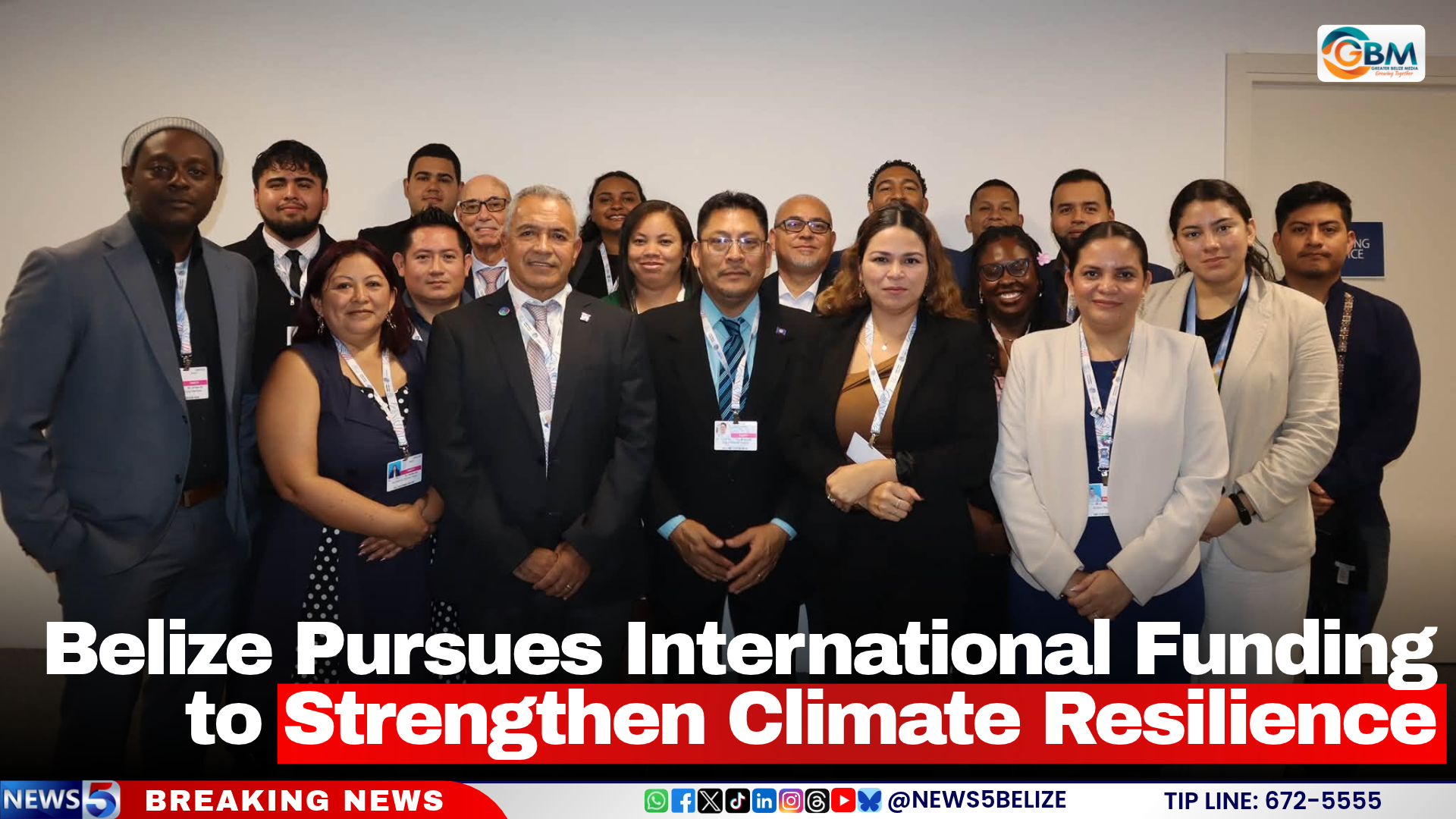
At the 31st United Nations Climate Change Conference (COP31) hosted in Antalya, Türkiye in mid-November 2026, Belize’s national delegation has launched a coordinated series of high-level engagements to unlock expanded international climate financing for the small Caribbean nation’s most pressing adaptation and resilience priorities. Led in part by Orlando Habet, Belize’s Minister of Sustainable Development, Climate Change and Solid Waste Management, the team has held targeted bilateral talks with leadership from four key global climate funding bodies to clear administrative barriers, advance pending applications, and align investment with local needs for at-risk communities across the country. Beyond national-level negotiations, Minister Habet is also co-leading the Caribbean Community (CARICOM) bloc’s collective negotiating track on global climate finance frameworks and regulated carbon markets, amplifying the unified voice of small island and low-lying Caribbean states as they push for more equitable access to dedicated climate resources. Official updates from Belize’s national Climate Change Department confirm that separate discussions with the Adaptation Fund centered on streamlining Belize’s application pathways for dedicated adaptation grants, building local institutional capacity to design and deliver bankable climate action projects, and directing new resources to the country’s most geographically and socio-economically vulnerable populations that face disproportionate risk from extreme weather, coastal erosion and rising sea levels. On November 13, 2026, the Belizean delegation held a follow-up consultation with representatives of the Green Climate Fund to map out new joint initiatives that would scale existing financial support for Belize’s long-term national climate action plan. The team also met with administrators of the global Fund for Responding to Loss and Damage to review the status of Belize’s formal funding submission, resolve outstanding administrative review requirements, and clarify the projected timeline for the fund’s governing body to evaluate and rule on the application. Additionally, Belize’s delegation joined a dedicated climate finance side event co-hosted with the STUF United Fund, where participants from multiple developing nations explored shared strategies to boost transparency in global climate fund disbursement rules, build cross-sector public-private partnerships, and strengthen the technical capacity of low-income nations to translate their stated climate resilience priorities into fully developed, investment-ready project proposals that can qualify for international funding.