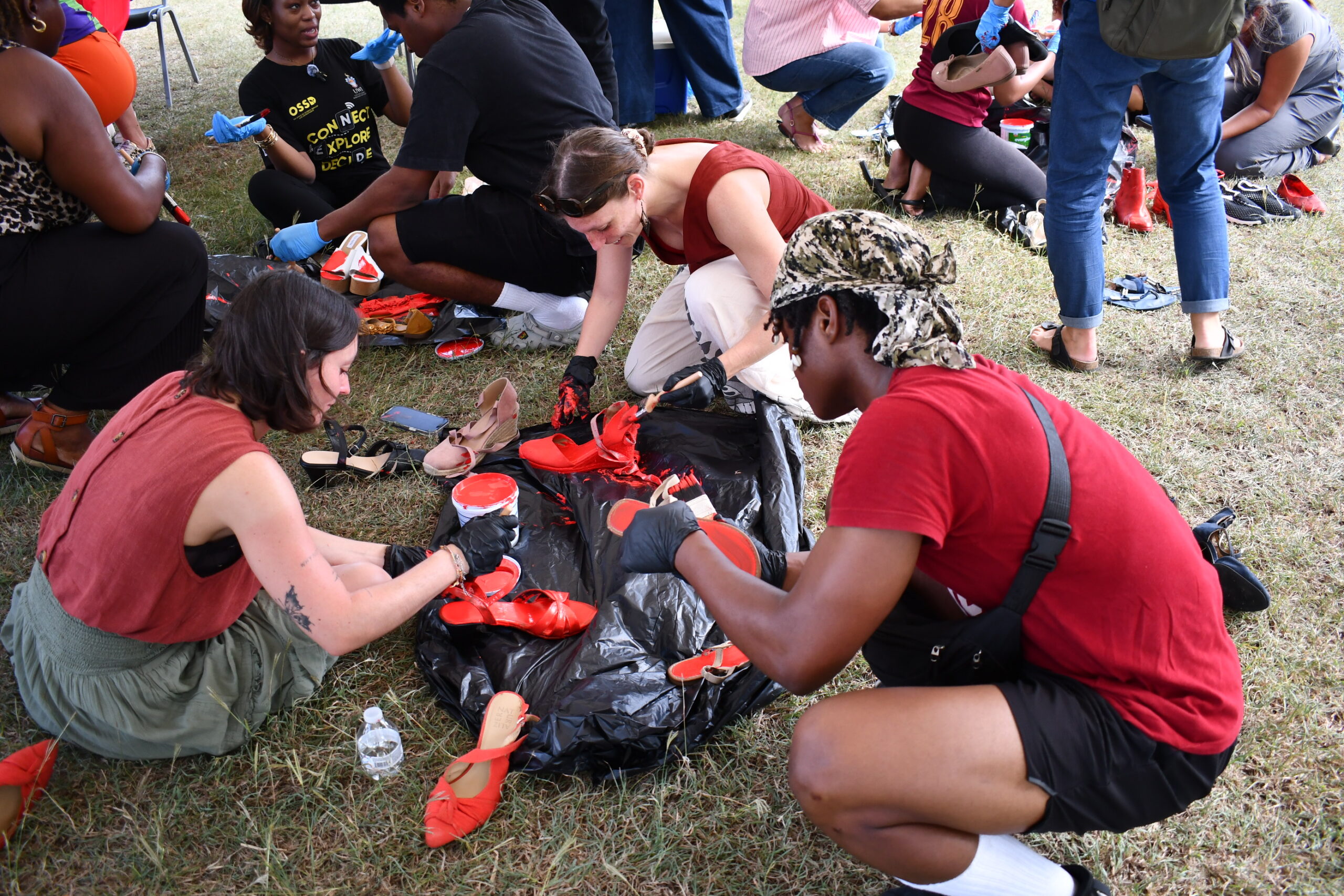
On a recent Friday at the University of the West Indies Cave Hill Campus, groups of students, women’s rights advocates, and international collaborators gathered to take part in the symbolic “Paint the Shoe Red” activity, a local iteration of the global Red Shoes Project. Each plain pair of footwear destined to be coated in vivid red paint was framed not as a trivial craft exercise, but as a tangible tribute to the countless women and girls whose lives were abruptly cut short by femicide and gender-based violence. Event organizers from the campus’s Institute for Gender and Development Studies, Nita Barrow Unit, explicitly reminded attendees that the powerful symbolic gesture must never be reduced to empty, performative tokenism. Launched as an annual collaborative effort starting in 2024, the campus initiative is backed by the European Union, and feeds into a worldwide public art installation that displays collections of red-painted shoes in high-traffic public spaces to deliver an unignorable visual reminder of preventable lost lives. Dr. Tonya Haynes, Head of the hosting Nita Barrow Unit, guided participants to pause during the painting process to visualize the real, unique individuals represented by each pair of shoes: daughters, sisters, mothers, and community members whose sudden, violent deaths left gaping, unhealed wounds for their surviving loved ones. Event speakers shared a stark, sobering statistic: in the mere 30 minutes leading up to the official launch of the Cave Hill gathering, an estimated three women had already been killed by gender-based violence somewhere across the globe. Officials at the event emphasized that violence targeting women and girls qualifies as a widespread, devastating global pandemic, yet it has never garnered the same level of coordinated, urgent policy action and public resource allocation that the world mobilized to fight the COVID-19 health crisis. Attendees collectively issued a clear call to local justice authorities in Barbados to reclassify and prosecute gender-based violence offenses with the same uncompromising seriousness applied to other high-priority major violent crimes. All participants left the event with a shared mandate: the red shoes are not a finished memorial, but a persistent call to sustained, targeted action to end gender-based harm, even when reform progress stalls or faces setbacks.