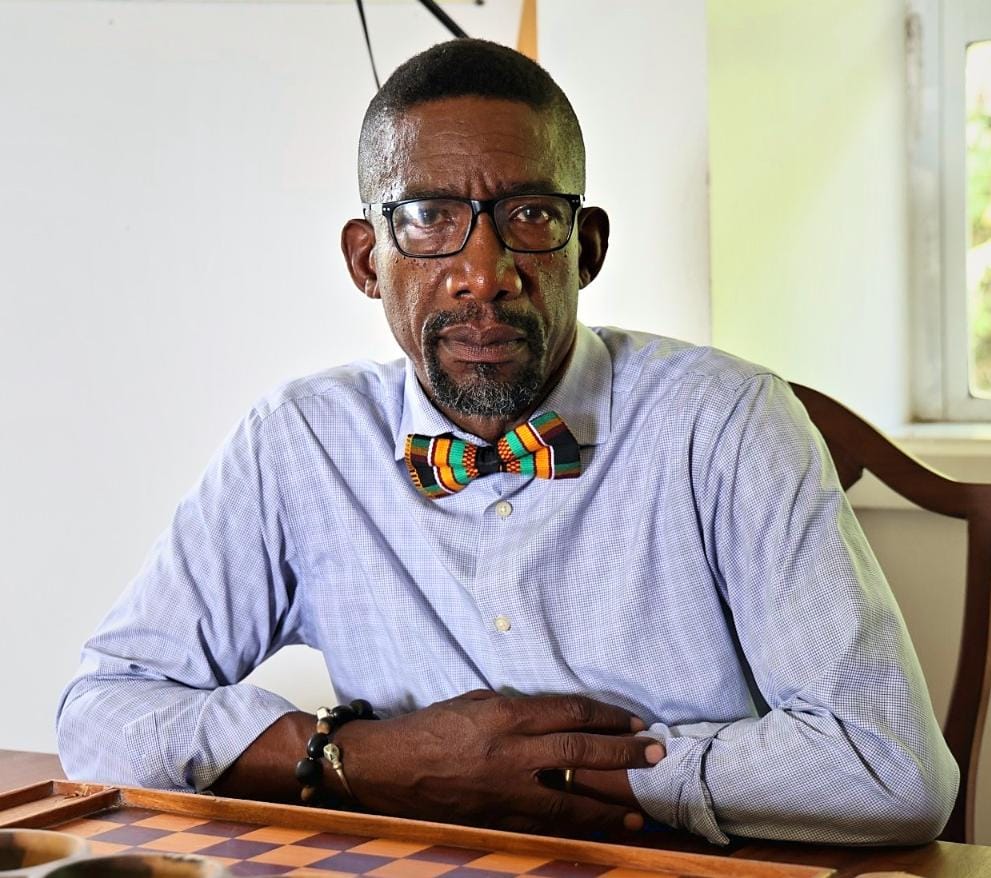
This reflective analysis draws on conversations with Dominican residents at home and across the diaspora to unpack the critical need for a renewed shared cultural compass to guide the island nation as it navigates a pivotal crossroads in its development journey. Rooted in Dominica’s foundational national motto “Après Bondie, C’est La Ter” — translated as “After God, the Earth” — the argument frames the island’s land and interconnected ecological and human communities as a sacred intergenerational trust, not merely a commodity for short-term financial gain. The piece centers on the longstanding indigenous Koudmen tradition: a historic, organically grown practice of mutual aid that predates formal government social programs, where communities would voluntarily come together to build homes, tend fields, and support neighbors facing hardship, no formal political endorsement required. For generations, this ethos, shaped by Kalinago indigenous heritage and the mutual support systems forged by descendants of enslaved Africans to survive colonial exploitation, bound individual family welfare to the prosperity of the entire village. Today, however, the analysis warns that partisan political division has eroded this once-unifying spirit, to the point where citizens with differing policy views are too often labeled as enemies — a dangerous rift for a small, tight-knit nation of Dominica’s size. The piece notes that the national anthem’s core mantra “All for Each and Each for All” was never meant to be a hollow ceremonial slogan, but a binding civic obligation. The 1978 attainment of full political independence, won through decades of grassroots struggle led by iconic Dominican figures including Emmanuel Christopher Loblack, Phyllis Shand Allfrey, and Edward Oliver LeBlanc, was never intended to create a system where political power becomes an end in itself, or where national resources serve only a small privileged elite. The analysis emphasizes that Dominica’s iconic “Nature Island” identity must extend far beyond a tourism marketing tagline: its rivers, valleys, hills and mountain ecosystems are non-negotiable pillars of long-term national survival, and any so-called “development” that degrades these shared natural assets or robs future generations of their benefits cannot be defined as genuine progress. The legacy of Koudmen, it argues, already lives on in the island’s widely respected credit unions and agricultural cooperative movements, where ordinary people with modest means pooled their resources to unlock economic opportunities that would have been inaccessible to them as isolated individuals. Far from stifling individual ambition, the author contends, collective mutual aid creates a fairer framework where individual success is lifted up by a community committed to shared prosperity. Drawing on Marcus Garvey’s framework of economic self-reliance, the piece argues that full political independence is hollow without robust local productive capacity: while foreign investment has a legitimate role in driving growth, Dominicans must never be reduced to passive spectators in the development of their own nation, but must serve as equal partners, owners, managers, and innovators across key growth sectors including agriculture, sustainable tourism, local manufacturing, and emerging green technologies. The analysis calls for a renewed focus on centering Dominican cultural heritage — including Kalinago traditions, Creole language, music, art, and local craftsmanship — as a core pillar of national development, and argues that school curricula should prioritize teaching young people the often-overlooked achievements of Dominican trailblazers across fields of public service, science, agriculture, and the arts, alongside global history. It outlines tangible, accessible community-led actions to revive the Koudmen ethos at the local level: village-level mutual aid projects ranging from repairing public community facilities, restoring local playing fields, cleaning riverbanks, tending shared communal gardens, and organizing support for elderly and vulnerable residents, with local village councils acting as key facilitators to ensure efforts respond directly to community needs. Crucially, the piece clarifies that reviving Koudmen is not a justification for national government to abdicate its formal public service obligations, or for employers to exploit free labor: it is a complementary framework to rebuild grassroots community cohesion, reduce damaging partisan rifts, and restore collective agency alongside well-resourced, properly administered public services. It also calls for expanded youth engagement in environmental stewardship and practical STEM learning, from supporting local farmers with sustainable soil management techniques to participating in reforestation, watershed protection, and marine conservation initiatives, with skilled local tradespeople offering mentorship to the next generation of workers. For Dominica to fulfill its potential as a global model for equitable, sustainable small-island development, the analysis argues, the nation must prioritize public integrity, respect for democratic institutions, and a consistent commitment to putting national collective interest above narrow partisan or personal gain. Healthy political disagreement is a core feature of functional democracy, the author notes, but it must never devolve into personal hatred, and public office must never be treated as a pathway to personal enrichment. Rooted in the enduring Koudmen ethos of “All for Each and Each for All”, Dominica can uphold the dignity of every citizen, protect its most vulnerable residents, honor productive labor, and rebuild a shared national identity where citizens maintain their loyalty to the common good even when they hold differing political views.
APRÈS BONDIE, C’EST LA TER: After God, the Earth – Koudmen, National Unity, and the Future Security of Dominica