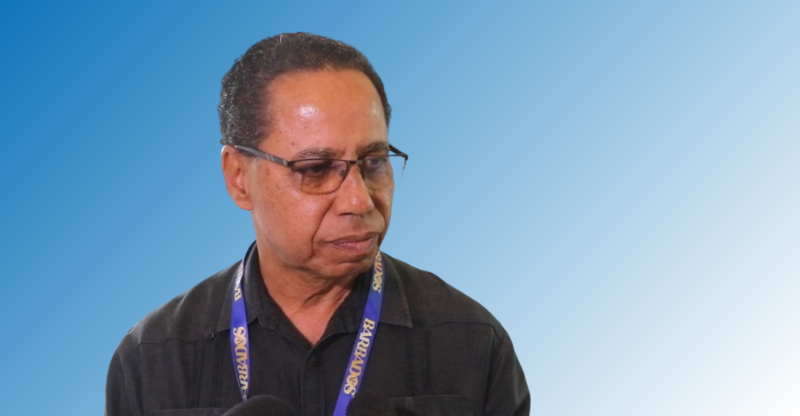
Barbados’ National Task Force on Reparations is preparing to roll out a renewed, targeted campaign to compel former UK Conservative parliamentarian Richard Drax to enter formal negotiations addressing his family’s centuries-long central role in the transatlantic chattel slavery system, after years of Drax repeatedly rejecting all outreach from Barbadian officials and descendant groups. Led by Ambassador David Comissiong, Barbados’ representative to the Caribbean Community (CARICOM), the task force has spent months attempting to secure a dialogue with Drax, whose ancestral 250-hectare Drax Hall Plantation in St George, Barbados, was a core hub of 17th-century slavery-fueled sugar production and directly tied to the drafting of Barbados’ landmark colonial slave code that codified the brutal subjugation of enslaved African people across the region. Comissiong emphasized that Drax, a UK millionaire with an estimated net worth of at least £150 million (equivalent to roughly $406 million), has demonstrated unwavering intransigence, refusing every invitation to discuss reparatory justice for the generations of inhumane exploitation endured by enslaved people on his Barbadian estate. Even outreach from a respected UK civil society group made up of descendants of other former slave-owning British elite families, who have formally apologized for their ancestors’ atrocities and committed to making tangible reparatory gestures, was flatly rebuffed by Drax. “Richard Drax has refused to follow the responsible path chosen by his peers from Britain’s former enslaver class, and has played hardball at every turn,” Comissiong stated. “But the task force is equally prepared to match that resolve, and this remains a fully active, unresolved priority for our government.” The ambassador drew parallels to the recent shift in the UK government’s long-standing hardline position on reparations: just one week prior, following the Commonwealth Heads of Government Meeting hosted in Antigua and Barbuda, newly installed British Prime Minister Andy Burnham confirmed his willingness to launch a structured, formal dialogue with the Barbadian task force on reparatory justice, marking a historic reversal of decades of official UK refusal to engage on the issue. Comissiong noted that this breakthrough with the British national government has galvanized the task force to escalate its efforts with Drax, and that the body will host dedicated brainstorming sessions in coming weeks to design targeted measures to bring the former MP to the negotiating table, with full confidence that Drax will eventually follow the UK government’s lead in abandoning his refusal to engage. The task force is also preparing to roll out a widespread public education campaign to ensure all Barbadian citizens are fully informed of the historical context of the Drax family’s atrocities, the details of the upcoming structured dialogue with the UK government, and the full scope of the nation’s reparations claims. The Drax family’s involvement in the transatlantic slave trade extends far beyond Barbados: the clan also operated a large slave plantation in Jamaica until selling it in the 18th century, and owned multiple dedicated slave ships that transported tens of thousands of enslaved African people across the Atlantic to Caribbean colonies. In 2020, an investigation by UK newspaper the Observer revealed that Drax had inherited full control of the Barbados Drax Hall estate following his father’s 2017 death, but deliberately failed to declare the high-value asset on the official UK Parliament register of members’ financial interests for years, only adding it after the investigation was published following a claim that parliamentary officials had advised no immediate declaration was required. Leading Caribbean historian Professor Sir Hilary Beckles has publicly labeled Drax Hall a “crime scene,” documenting that tens of thousands of enslaved African people perished on the property under brutal, torturous working and living conditions. Former task force chairman and sitting Barbadian MP Trevor Prescod emphasized that the estate stands as one of the most visible, well-documented monuments to the crime against humanity of chattel slavery across the entire Caribbean region, and stressed that the Barbadian government must not allocate any public funds to compensate Drax for the property, as the nation pursues full reparatory damages for the harms inflicted by his ancestors.