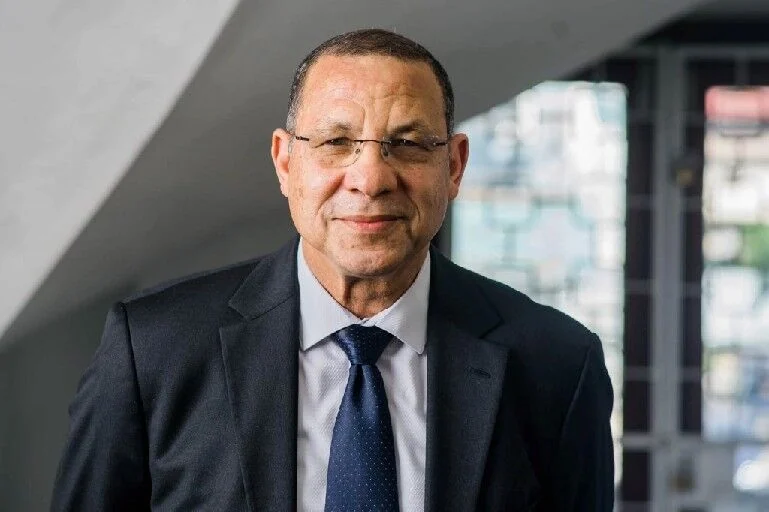
In a recent televised interview on TV6’s Morning Edition last Friday, prominent economist and former Trinidad and Tobago Finance Ministry official Mariano Browne sought to calm widespread local anxieties that sweeping shifts in U.S. federal governance following the Democratic Party’s takeover of both the House of Representatives and Senate in the latest midterm elections would upend long-standing bilateral ties between the two nations. Addressing widespread public speculation that the Democratic-controlled legislature could roll back policies enacted under former President Donald Trump’s administration, Browne emphasized that the core, decades-old trade and energy frameworks underpinning U.S.-T&T relations are largely insulated from partisan political fluctuations in Washington. He highlighted that T&T’s Prime Minister Kamla Persad-Bissessar had cultivated a robust, cooperative alignment with the Trump administration during its tenure, but stressed that U.S. energy security priorities create a far more durable foundation for bilateral cooperation than transient partisan political shifts. As T&T’s single largest trading partner, the U.S. has a persistent, high-stakes demand for the oil and gas exports that form the backbone of T&T’s national economy, Browne noted, drawing a clear line of separation between volatile partisan foreign policy rhetoric and the mutually beneficial, deeply entrenched commercial trade arrangements that benefit both nations. Browne also pointed to a secondary emerging opportunity for T&T amid U.S. domestic shifts: growing public pushback and regulatory concerns over the environmental and land use impacts of large-scale data centre construction within U.S. borders is driving a surge in global investor interest to site these digital infrastructure facilities in stable, nearby jurisdictions such as Trinidad and Tobago, a trend that stands to deliver new economic diversification gains for the twin-island nation. While acknowledging that the newly Democratic-controlled U.S. Congress may launch oversight inquiries into alleged unregulated maritime activities in the southern Caribbean, Browne confirmed these probes would not target existing bilateral trade agreements with T&T. Shifting focus to regional geopolitics, Browne issued a stark call for T&T to immediately fill its long-vacant ambassadorial post in Caracas, warning that developments in neighbouring Venezuela will have a far more profound, immediate impact on T&T’s economic stability than any political shifts occurring in North America. He noted that Venezuelan acting President Delcy Rodriguez has repeatedly signalled a strong willingness to deepen bilateral cooperation, particularly in the critical petrochemical sector, and that Venezuela has maintained a fully operational diplomatic embassy in Port of Spain to sustain ongoing dialogue. By contrast, T&T has failed to appoint a formal, senior diplomatic representative to Venezuela, leaving no dedicated on-the-ground official to advocate for T&T’s national interests, Browne cautioned. He urged local policymakers to set aside public diplomatic rhetoric in favour of prioritizing tangible, mutually beneficial national interests, noting that a dedicated, high-level diplomatic presence in Caracas is non-negotiable to protect and expand T&T’s stake in the cross-border petrochemical ecosystem that links the two neighbouring nations.