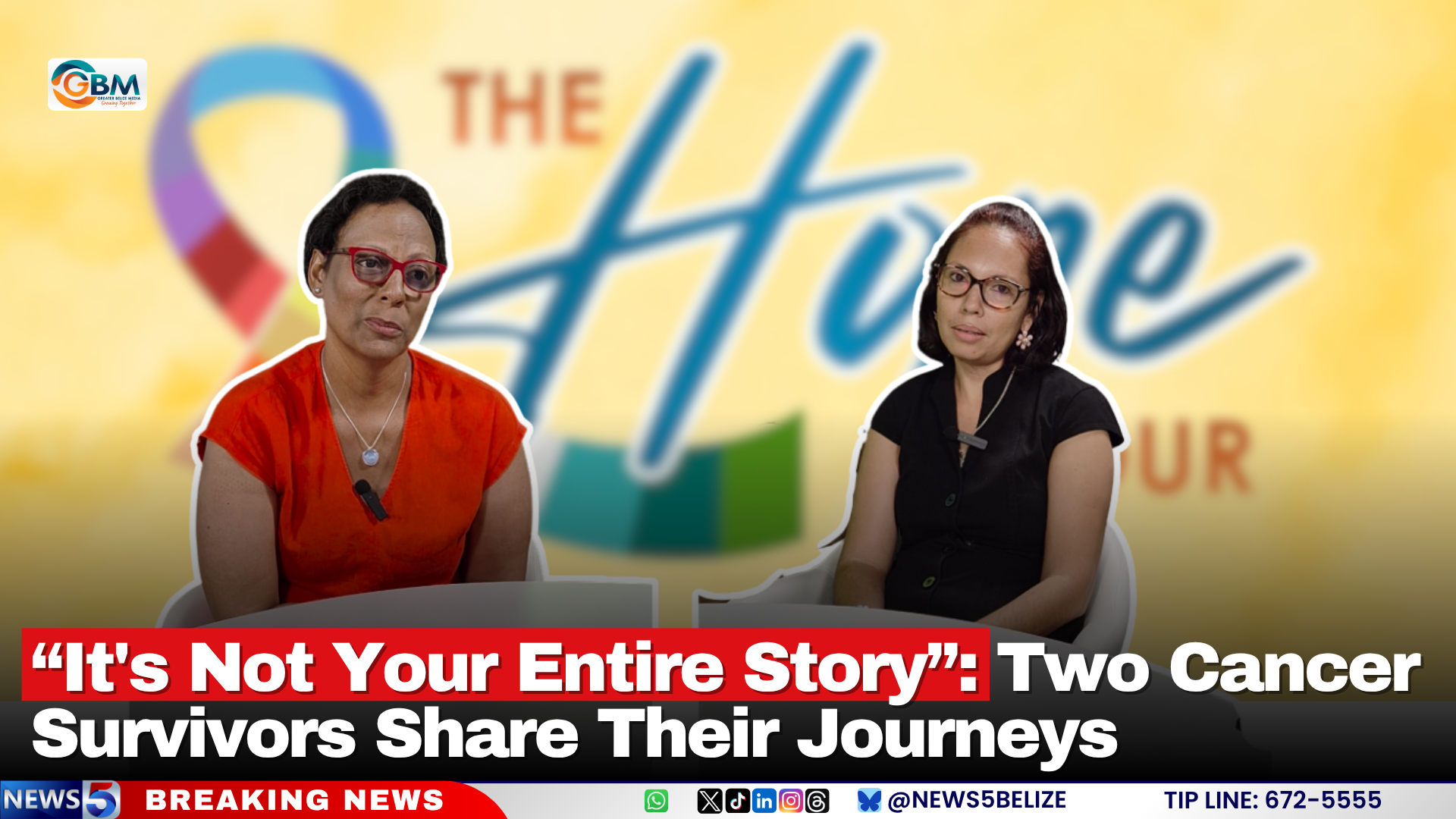
On November 6, 2026, two resilient cancer survivors are opening up about their intimate, hard-won journeys through diagnosis, grueling treatment, and long-term recovery, launching a community-focused effort to dismantle the isolating stigma that often surrounds a cancer diagnosis and remind newly diagnosed patients that their illness is only one chapter, not the full narrative of their lives. For 38-year-old Janine Cattouse, the seismic moment she received her stage 2 breast cancer diagnosis in 2024 remains etched in her memory, even two years later. At the time, she was living in Mérida, Mexico, when a brief, blunt text from her care provider delivered the devastating news that upended her carefully laid plans for the future. “The second I read those words, ‘Janine, it is cancer,’ the whole world went quiet around me,” Cattouse recalled. For weeks after the diagnosis, she cycled through crippling denial and deep depression, overwhelmed by fear that her life as she knew it was over. But as she educated herself about her treatment options and connected with other people who had walked the same path, her perspective shifted dramatically, and she resolved to fight the disease with unwavering hope. “You eventually hit a turning point where you realize this is just a single chapter of your life, not your entire story,” she shared. In August 2026, Cattouse celebrated her two-year anniversary of having no evidence of disease (NED), a milestone that felt like a hard-earned victory after months of chemotherapy, surgery, and follow-up care. Fellow survivor Valerie Woods, who received her own cancer diagnosis at age 50, knows all too well the fog of uncertainty that follows a positive test result. For weeks after her initial abnormal screening, as she moved through a series of follow-up diagnostic tests, she clung to denial, convincing herself that the worst-case scenario could not possibly be true. “When your care team keeps sending you back for more and more tests, you tuck that fear way in the back of your mind and tell yourself there’s no way it’s actually cancer,” Woods explained. What pulled her through that disorienting period, she says, was the outpouring of support from a network of fellow cancer survivors — including Cattouse — who reached out to share unvarnished, firsthand insights about what to expect from treatment, from the bone-deep fatigue of chemotherapy to lesser-known side effects and small, practical hacks to make difficult days more manageable. “They don’t just give generic advice — they know exactly what the chemo fog feels like, exactly how that unshakable exhaustion hits, and they have little tricks no medical textbook will tell you to get through the worst moments,” Woods said. This month, Woods is marking 17 months of living with no evidence of disease, and she says she could not have reached that milestone without the peer support she received. Now, the two women are channeling their shared experiences into a new community program called *The Hope Hour*, designed to extend that same life-changing peer support to every newly diagnosed cancer patient in their regional network. The initiative centers on free, regular virtual and in-person gatherings where people navigating treatment can connect directly with long-term survivors who understand their unique struggles, no formal medical background required. Beyond offering emotional camaraderie, Woods notes, the program also aims to push back against widespread fear of cancer screenings that leads many people to delay critical care. She emphasized that early detection drastically improves patient outcomes, and hopes their public stories will encourage hesitant community members to schedule routine checkups rather than avoiding medical care out of fear. At the core of their mission, both women say, is a simple, powerful message: no one has to walk a cancer diagnosis alone, and a full, meaningful life is entirely possible both during treatment and long after recovery.