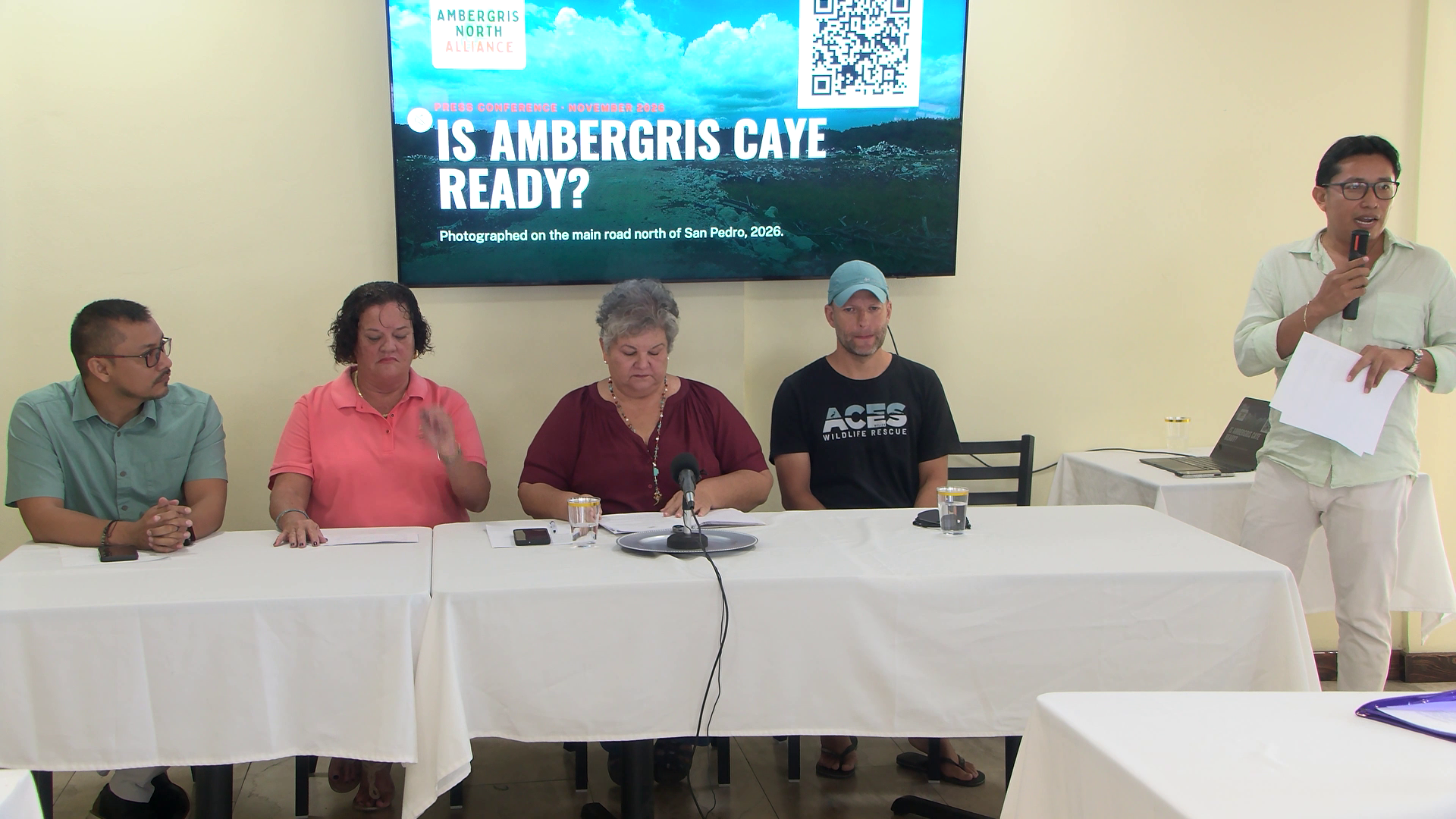
Published on November 5, 2026, the latest investigation from News Five reporter Paul Lopez lays bare growing tensions on Belize’s Ambergris Caye, a beloved Caribbean tourism hub, as local communities push back against a sweeping 489-page government-backed development plan that many say was drafted without their meaningful input. The far-reaching blueprint, developed in partnership with the Inter-American Development Bank (IDB), outlines a slate of transformative upgrades for the island: new paved road networks, a dedicated cargo port, upgraded public utilities, expanded affordable housing, new school and healthcare facilities, and a potential second airstrip in the island’s northern region, alongside long-term discussions about the future of the existing John Greif II Municipal Airport. While local leaders and residents largely do not oppose targeted, sustainable development that lifts the island’s quality of life, widespread frustration has erupted over what many describe as a top-down decision-making process that sidelined ordinary community members, environmental advocates, and small tourism operators. San Pedro Town Mayor Wally Nunez, who served on the 2022 Ambergris Caye development task force convened by Prime Minister John Briceño, moved to ease public fears in recent remarks, clarifying that there is no immediate timeline to shut down the existing John Greif II Municipal Airport. Nunez emphasized that the plan’s northern airport proposal is framed as a potential supplementary runway to expand capacity, not a full relocation of the current facility, and that any possible phased closure of the existing airstrip would not occur for at least 20 years. He noted that the task force that drafted the strategic plan included business representatives, government ministers, and select local stakeholders, and that the IDB-led drafting process incorporated rounds of community engagement. But dozens of residents and industry representatives who attended a recent public press conference on the plan pushed back sharply against that characterization, stating they never received any invitation to participate in consultation sessions or join the task force. Melanie Paz, president of the San Pedro chapter of the Belize Tourism Industry Association (BTIA), stressed that local operators and permanent residents are the ones who will bear the long-term costs of unregulated development, from ecological degradation to eroding the island’s unique charm that draws global visitors, yet they are consistently locked out of decisions that shape their livelihoods. Catherine Paz, head of the Ambergris Northern Alliance, a community group representing residents of the island’s underdeveloped northern stretch, added that ordinary islanders, particularly those focused on environmental protection, appear to have been excluded from the task force in favor of parties with direct vested financial interests in large-scale development projects. Both community leaders emphasized that their fight for transparent, inclusive consultation is ongoing, and that they will not back down until local residents have a formal, binding seat at the table for all decisions that will reshape the island they call home.