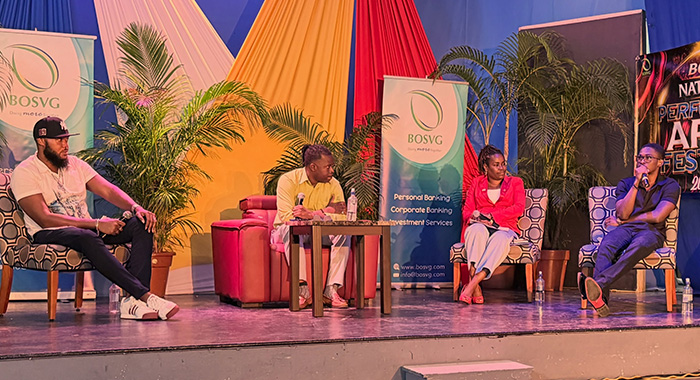
On a Wednesday in Kingstown, St. Vincent and the Grenadines (SVG), a diverse gathering of working artistes, cultural leaders, and government representatives convened for the first-ever National Performing Arts Conference, centred on the urgent message that while the island nation is brimming with untapped creative talent, robust structural frameworks are required to turn that potential into sustainable, widespread prosperity. Held under the forward-looking theme “Believe, Innovate, Inspire: Next Level”, the landmark event zeroed in on actionable strategies to develop SVG’s burgeoning “orange economy” — the full spectrum of creative and cultural industries — and expand professional opportunities for local creators both domestically and on regional and global stages. This inaugural conference arrives at a pivotal policy moment, as the New Democratic Party administration, which took office in November 2025, has formally designated the orange economy as a high-priority core sector to drive national economic diversification and long-term growth. Maxine Browne, SVG’s Director of Culture, explained that the conference was designed to break down long-standing silos between independent creatives, industry organisations, and state bodies, creating a dedicated space for idea exchange, professional network building, and collaborative planning to commission new, locally rooted creative work. In her opening remarks, Browne urged all attendees to “pool our time, our talent, and our treasure” to move beyond talk, calling for “action, action, and more action” to move the cultural sector from its current fragmented state to a formal, thriving industry. Playwright and veteran cultural practitioner Nisha Hope laid bare the daily realities facing many local creators, noting that most independent artists are forced to handle every step of bringing a project to audiences single-handedly: from initial organisation and production to marketing, distribution, and customer outreach. “An original idea may emerge in a community, a studio, or even at a kitchen table, but developing it into a sustainable enterprise requires access to resources, legal protection, structured distribution networks, and paying customers,” Hope noted, adding that creators often burn through hours of valuable creative energy on administrative and operational tasks rather than refining their artistic output. The discussion, moderated by Orandi “Bomani” Charles — a respected soca artiste and cultural advocate — was framed around unlocking SVG’s share of the massive global creative economy, which UNESCO and the International Finance Corporation estimate is valued at between US$2.25 trillion and US$2.5 trillion annually. Marketing strategist and event producer Jonard Forde emphasised that creators must first define their niche and develop a clear business mindset to turn their artistic skills into a viable long-term livelihood. “Understanding the space that we want to develop or want to uptake,” he explained, allows creatives to strategically position their work to generate consistent, fair income. Hope pushed for the formal adoption of a comprehensive national creative and cultural industries policy to lay the enabling conditions for that growth, noting that decades of past discussions about sector support had rarely translated into lasting, systemic change. Musician and producer Gareth “Icon” John stressed that the creative industry encompasses far more than on-stage performance careers, calling for public recognition of the full range of behind-the-scenes roles, from styling and event decoration to technical production and intellectual property management. “There is space for everybody,” he said, advocating for targeted, accessible education and training programmes to help people of all skill levels find their place in the expanding sector. Intellectual property rights and consistent professional standards emerged as another core priority for panellists, who highlighted the extreme vulnerability of creators working in publishing, photography, fashion, and performance, who often lack access to affordable, practical legal support. John noted that achieving international success in the creative space almost never relies on a single person or small team, and requires dedicated professionals to manage bookings, rights, and royalty collection. He called for widespread public outreach and education to teach local creators how to navigate the systems that protect their work and ensure they receive fair compensation. Forde argued that creative work deserves the same level of professional respect and authority granted to established careers in law, medicine, or the judiciary, rejecting the pervasive local tendency to dismiss creative labour as a casual hobby. Hope echoed that concern, noting that many creators are routinely offered “exposure” in place of monetary payment, a dynamic that makes it extremely difficult for artists to quantify the value of their work and build stable careers. Attendees also widely advocated for deeper integration of performing arts into the national formal education system, rather than treating creative learning as an occasional, optional extracurricular activity. John pushed for performing arts to be added directly to the standard national school syllabus, with trained, dedicated arts practitioners on staff at every school and year-round programming to help young people see creative careers as legitimate, attainable paths. Former teacher Nisha Hope emphasised the critical need to connect education and cultural policy, while Forde called for equal access to arts facilities and programmes across all SVG territories, including remote communities in the Grenadines, to ensure “no person or no creative is left behind”. Mikala Knights, a teacher and representative for the Sion Hill Euphonium Steel Orchestra, shared her on-the-ground experience facing persistent barriers when trying to integrate steel pan programmes into official school music curricula, as well as ongoing struggles to secure fair payment for performances and protect instruments used in local tourism industry events. Her testimony prompted renewed calls for greater public respect for artistic labour and fairer contractual terms for all performers. The panel also explored pathways for Vincentian creatives to break into regional and international markets. John recommended that SVG study the successful, more established creative sectors in larger Caribbean nations, adapting proven models to fit the country’s unique local context. Hope stressed the value of continuity and cross-generational collaboration, advising stakeholders to review and learn from past local creative sector initiatives rather than abandoning institutional knowledge to start from scratch. Forde called for formalised, state-backed support structures offering administrative, accounting, and market development resources to help local creators identify and pursue global opportunities. Panellists also highlighted the critical need to document and celebrate Vincentian creative trailblazers, noting that local pioneers and historic cultural achievements are rarely taught to younger generations. “We need to know the greats,” John said, arguing that public recognition of local success stories would inspire emerging creators and strengthen national cultural identity. Multimedia professional Crystal Oliver, speaking from the audience, raised the widespread industry pain point of delayed or missing payments, noting that creatives are often the last to be compensated for their work, long after all other contracted service providers have received their fees. She warned that new, young entrants to the sector often lack the leverage to reject unfair, exploitative terms. John recommended that all creators adopt standard written contracts that clearly outline payment schedules, technical requirements, and all other mutual expectations well before any performance or project begins, sharing that receiving a formal contract from a peer early in his career helped him formalise his own business practices. Hope summed up a recurring, collective call for grassroots action, noting that “You can start the standard before the policies are made. You start the standard because that now can inform policy making.” Rommel Currency, acting permanent secretary in the Ministry of Youth, Sports, Culture, and Creative Industries, acknowledged that the conference discussions had clearly laid out the need for coordinated cross-stakeholder effort, targeted advocacy, formal policy updates, and clear, structured career pathways for people entering the creative industries. He committed to opening follow-up conversations with ministry leadership, including Minister of Youth, Sports, Culture, and Creative Industries Kaschak Cupid, while noting that meaningful systemic change would require consistent, long-term investment. Orandi Charles also shared ongoing plans from the Department of Culture’s Creative and Cultural Industries unit, including upcoming partnerships with the National Qualifications Department to launch formal training and certification programmes in music production and performance, and encouraged all local creatives to adopt written contracts as a standard part of their day-to-day industry operations.