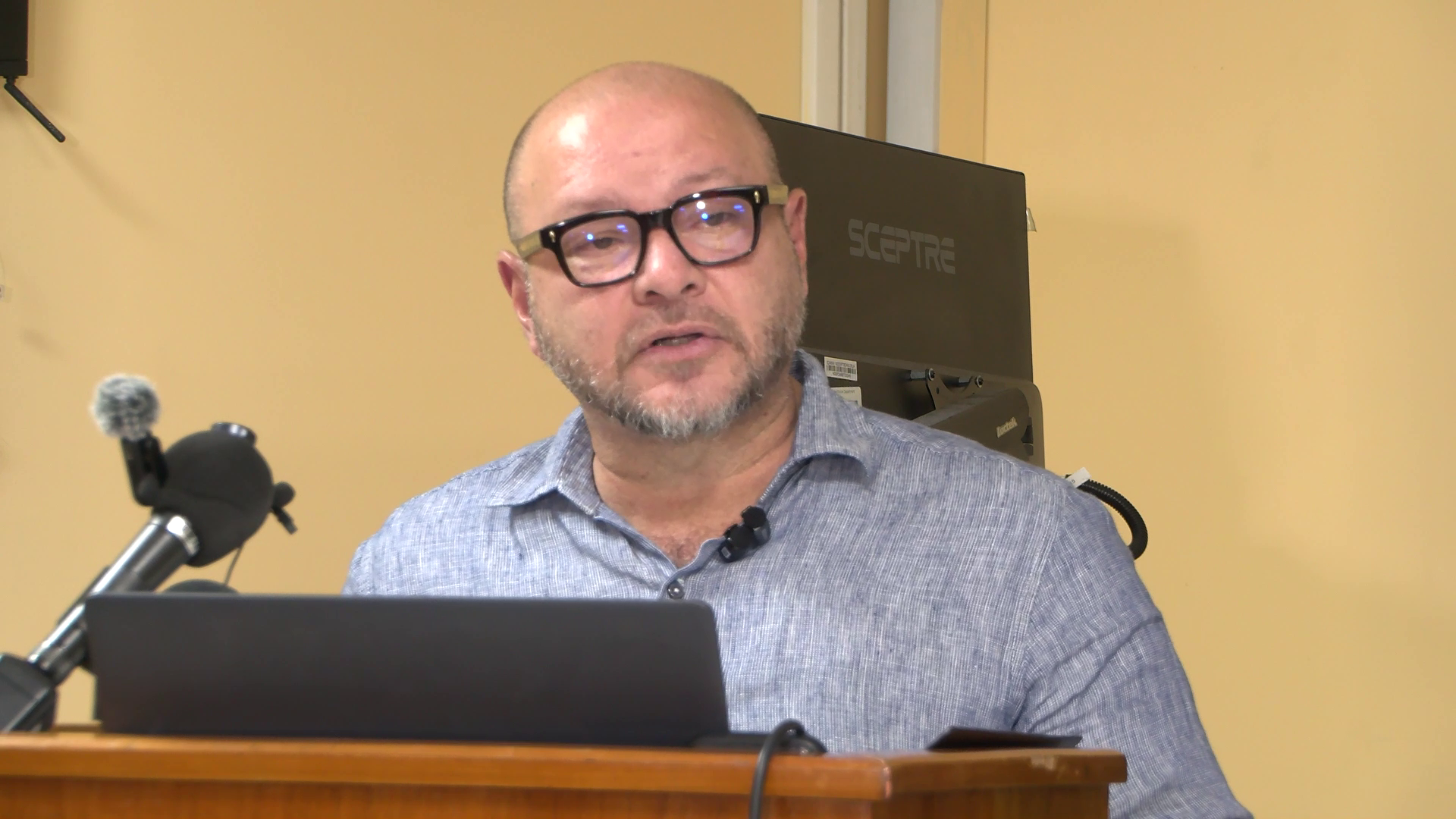
On November 3, 2026, a heated political dispute over national crime control strategy erupted in Belize, as sitting Minister of National Security Michel Chebat levied explosive allegations against the previous United Democratic Party (UDP) administration. Speaking publicly on Sunday ahead of the formal opposition response, Chebat asserted that the UDP had adopted a transactional, unorthodox approach to law enforcement during its tenure, claiming the former government made direct payments to criminal elements to curb violent incidents and maintain superficial public order, a practice he stated the current People’s United Party (PUP) administration had formally terminated upon taking office.
Less than 48 hours after Chebat’s initial remarks, the UDP leadership mounted a full, forceful rebuttal of the accusations, framing the PUP government’s attacks as a deliberate misrepresentation of their community-centered crime mitigation framework. Opposition Leader Tracy Panton, who heads the UDP caucus, pointed out that Chebat is the fourth individual appointed to the post of National Security Minister under the current PUP administration, a turnover she argued reflects the government’s own failure to deliver consistent, effective public safety outcomes. Panton emphasized that every public safety policy rolled out during the UDP’s time in power was rooted in prioritizing family and community well-being, rejecting outright the characterization of their programs as underhanded transactional payoffs to criminals. “I beg to disagree that our policies equate to any kind of corrupt deal-making,” Panton stated, noting that while not every single UDP crime measure delivered perfect results, the core mission of reducing harm for ordinary Belizeans never wavered.
UDP representative Damian Gough further elaborated on the former administration’s underlying policy rationale, linking rising crime rates directly to unaddressed cost of living crises that have pushed vulnerable residents in marginalized communities to desperation. Gough explained that the UDP’s now-discontinued Livelihood Improvement Unit (LIU) program, which offered temporary paid work such as land maintenance and grass cutting to roughly 500 at-risk individuals, was designed to provide a reliable baseline income for participants and their families, giving them a viable alternative to engaging in illegal activity. While Gough acknowledged the entry-level roles offered through the LIU were far from high-skilled or high-paying, he noted the steady income stream allowed participating households to cover basic needs including rent, school fees, and daily meals, reducing the economic desperation that often drives petty and violent crime.
The UDP’s official statement following the rebuttal also called on the sitting PUP government to take greater institutional responsibility for expanding formal economic opportunities for residents in historically underserved neighborhoods, rather than dismantling support programs without putting viable replacements in place. The exchange marks one of the most high-profile public clashes over national security policy in Belize’s recent political history, as both major parties position themselves as the more credible steward of public safety ahead of upcoming local governance elections.
This report is adapted from a transcript of the outlet’s evening television newscast, with remarks originally delivered in Belizean Kriol transcribed using a standardized, accessible spelling system for clarity.