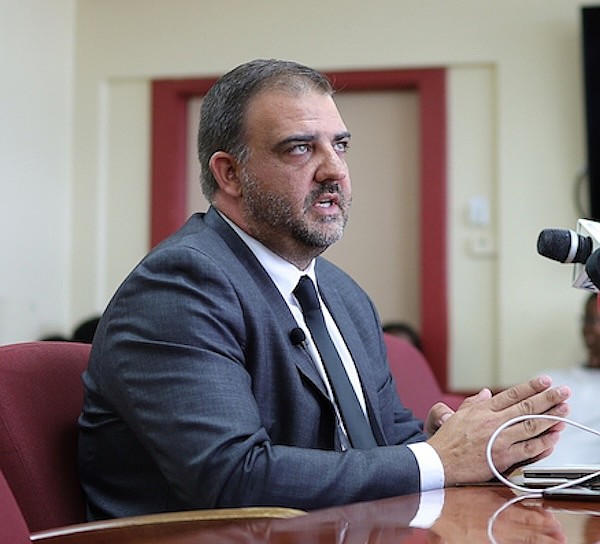
Bahamas Ministry of Works Minister Clay Sweeting has unveiled a forward-looking operational overhaul to tackle widespread road degradation and persistent pothole issues across New Providence, leveraging cutting-edge artificial intelligence tools and expanded private sector partnerships to deliver longer-lasting, smoother driving conditions for residents. Speaking to local reporters following a stretch of intense seasonal rainfall that has exacerbated pre-existing road damage, Sweeting outlined that the new strategy was developed in part based on innovative infrastructure repair technologies he observed during a recent official visit to the United Kingdom. Sweeting noted that traditional pothole patching methods, which he compared to mending a tear in a piece of fabric, often leave repaired sections structurally weak, leading to repeated deterioration that ultimately requires full repaving far sooner than planned. To resolve this cycle of temporary fixes, the ministry has already deployed a specialized AI-powered mobile application across New Providence that uses integrated camera sensors and motion detection to autonomously map road conditions, flag high-priority streets in need of full paving, and rank remaining roads by their projected remaining safe service life for motorists. The minister confirmed that the government is contracting additional private construction firms to scale up annual road resurfacing operations, with a baseline target of paving 50 to 60 miles of New Providence roadways this year, and an upper potential goal of reaching 100 miles if resources and contractor capacity align. Sweeting told reporters that residents can expect to see these modernized repair methods rolled out publicly within the next several months, as the ministry moves away from reactive, short-term pothole fixes toward a proactive, data-driven road maintenance framework. In a separate update on critical infrastructure repairs, Sweeting shared that temporary structural remediation work on the Fresh Creek Bridge in Central Andros is on track to be fully completed by the end of the current week. The bridge, which serves as a vital transportation link connecting Andros Town and Coakley Town, was identified as needing urgent repairs in August after structural engineers discovered that one of its intermediate support pilings had sunk, shifting the load distribution across the structure and causing three separate bridge segments to drop roughly nine inches out of alignment. Government officials previously scrapped initial plans to build an entirely temporary adjacent bridge after contractor bids pegged the cost of that project at over $10 million, opting instead for a far more cost-effective $400,000 targeted repair that involves jacking the misaligned bridge sections back into position and reinforcing the damaged support structures. Sweeting confirmed that the temporary fix will restore safe, full access to the bridge for local residents and commercial traffic, while the ministry concurrently advances long-term planning for a permanent full replacement structure for the crossing.