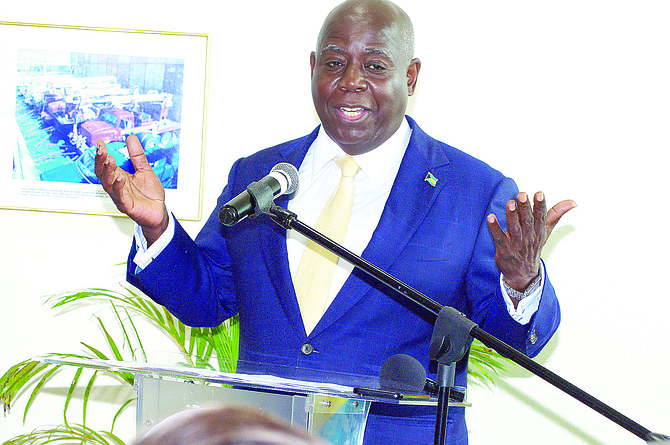
Bahamian Prime Minister Philip “Brave” Davis has outlined a renewed sense of optimism for the Caribbean Community’s long-running campaign for reparatory justice, noting that King Charles III’s recent official trip to The Bahamas and his public recognition of the unprecedented brutality of the transatlantic slave trade have placed the regional bloc in a far more advantageous position to advance its advocacy efforts. Davis shared these remarks in the lead-up to the upcoming Commonwealth Heads of Government Meeting (CHOGM), framing the monarch’s public statements as a formal, high-level validation of the trajectory that reparations discussions have been moving toward for years. “I firmly believe CARICOM now occupies a far stronger footing to chart a clear, collaborative path forward for reparatory justice,” Davis stated. “The King’s visit, paired with his explicit acknowledgment of the horrific cruelty that defined the transatlantic slave trade era, represents a formal recognition of the destination our collective advocacy has long been steering toward. Crucially, the solutions we pursue cannot be limited to serving only the current generation of Caribbean citizens; they must deliver tangible, lasting benefits for multigenerational impact, reaching communities yet to be born.” Davis delivered these public comments just days after King Charles concluded his official royal visit to The Bahamas, and shortly after his wide-ranging interview with UK-based broadcaster Sky News. During that television discussion, the Bahamian prime minister also noted that he holds no fixed personal stance on the question of whether The Bahamas should formally remove King Charles III as its official head of state, describing his personal position as “quite agnostic” on the matter. He emphasized that any potential transition to a republican system of governance would be driven entirely by the expressed democratic will of the Bahamian public, and he remains fully open to that outcome if a majority of citizens support the shift. Expanding on his vision for reparatory justice, Davis stressed that the framework must never be reduced to narrow, one-off financial compensation alone. Instead, meaningful repair requires targeted, sustained action to address the deep, intergenerational harms of chattel slavery and centuries of colonial rule that continue to shape Caribbean societies today. “For me, the core of reparatory justice is literal repair: identifying the deep, lingering damages of the past and taking deliberate steps to fix them,” Davis explained. “As small island developing states that bore the full brunt of the twin scourges of slavery and colonialism, we have seen these systems systematically undermine our capacity to deliver equitable, high-quality education to all our people. Worse, they embedded a harmful, disempowering collective mindset that has held back progressive advancement for generations. Dismantling these persistent mental barriers — a true emancipation of our collective minds — is a critical component of healing the deep, historic wounds our societies have carried for centuries.” When asked to define what a successful, productive outcome for The Bahamas would look like at the upcoming CHOGM summit, Davis highlighted three core priorities: deeper, more cohesive unity across all Commonwealth member states, the rollout of concrete, practical policy initiatives that directly improve daily livelihoods for ordinary citizens across the bloc, and measurable, tangible progress on the long path to delivering full reparatory justice for communities impacted by historic slavery and colonial exploitation.
PM believes CARICOM in stronger position to advance push for reparatory justice