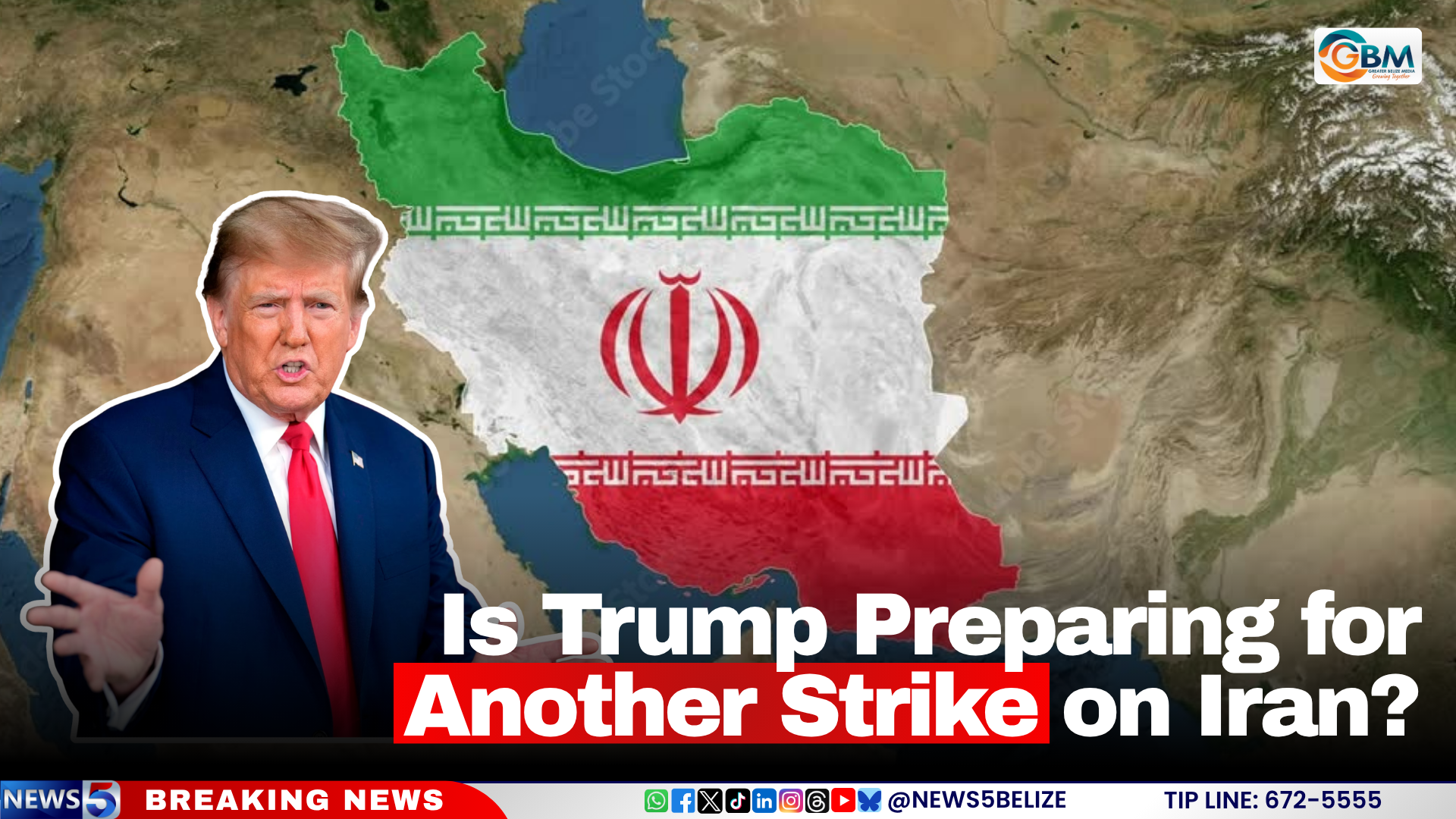
As of November 2, 2026, widespread anxiety over a potential new wave of armed conflict in the Middle East has surged, following unconfirmed reports that the United States has issued private advisory notices to its regional partners in the aftermath of the Tuesday midterm elections. Citing anonymous senior administration sources speaking to the Associated Press, US diplomatic and defense representatives have quietly urged multiple Gulf and broader Middle Eastern nations to roll out contingency plans to address two interconnected scenarios: possible imminent US military strikes targeting Iranian assets, and subsequent Iranian retaliatory operations that could disrupt energy production sites, transport corridors, and other critical civilian and government infrastructure across the region. Notably, former US President Donald Trump, who has been linked to deliberations over the potential military action, has not yet signed off on any final operational order for offensive strikes against Iranian territory. Over recent months, Trump has repeatedly issued public warnings of punitive measures against Iran in response to regional security escalations, while consistently framing diplomatic negotiations for a long-term, mutually acceptable de-escalation deal as his preferred policy outcome. A separate investigation by Reuters, drawing on statements from European diplomatic insiders, confirms that forward-deployed US military assets positioned across the Middle East have been placed on heightened alert status, capable of executing precision strikes against Iranian nuclear-related sites with minimal advance notice. Iranian leadership has issued unambiguous public statements in recent days, emphasizing that any new offensive launched by the US or Israel against Iranian sovereign territory will trigger immediate, proportionate retaliatory action. This stance has stoked deep unease among Gulf states that host permanent US military bases, as those locations face a high risk of being targeted in Iranian counterstrikes, potentially pulling neutral local governments into a full-scale regional war against their will. Parallel to the military contingency preparations, a multilateral diplomatic track remains active to de-escalate tensions before any outbreak of violence: Qatar, Saudi Arabia, Turkey, and Pakistan have all stepped up shuttle diplomacy in recent weeks, hosting closed-door talks with representatives from both Washington and Tehran to broker a mutually agreeable de-escalation framework. Senior Iranian officials have also publicly confirmed that unofficial backchannel communications with US representatives, facilitated by neutral third-party intermediaries, remain fully operational, creating a potential pathway to avoid armed confrontation.