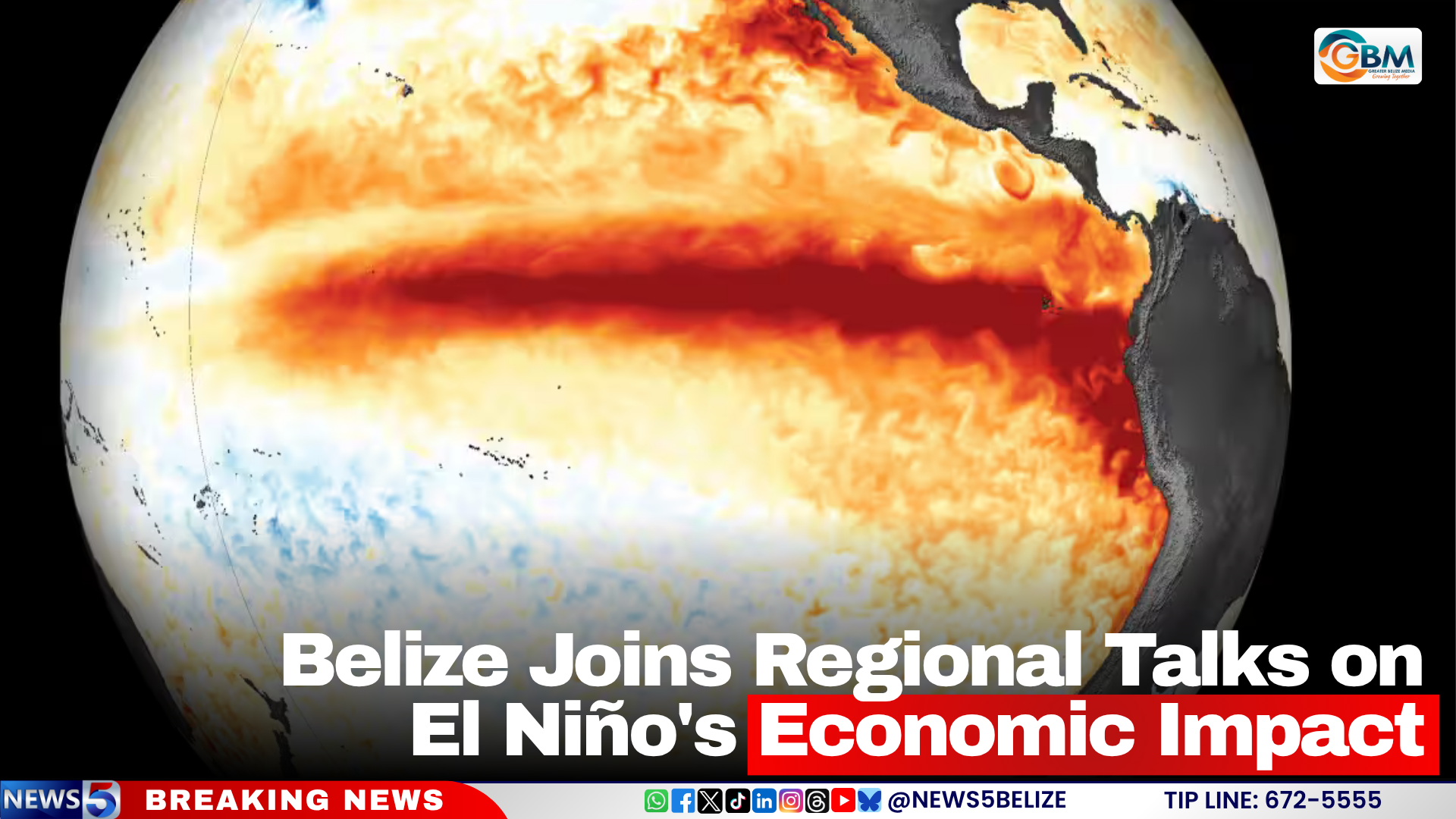
As forecasts signal the 2026–2027 El Niño weather event is set to bring cascading climate risks across Central America, Belize has stepped up its cross-border coordination efforts to mitigate the phenomenon’s widespread socioeconomic harms. On October 29, 2026, Belizean officials joined a World Bank-supported regional workshop focused on proactive El Niño readiness, gathering alongside peers from finance and economy ministries across the region, leading regional intergovernmental bodies, and global development partners to map out actionable risk reduction strategies.
The high-level convening was led by Dr. Osmond Martinez, Belize’s Minister of Economic Transformation and current Pro Tempore President of the Council of Central American Finance Ministers (COSEFIN). In his opening remarks, Martinez emphasized that traditional emergency response frameworks focused solely on immediate disaster relief are no longer sufficient to address El Niño’s far-reaching ripple effects, which are projected to trigger prolonged droughts, critical municipal water shortages, steep drops in smallholder agricultural output, and unplanned fiscal strains for national governments across the isthmus.
Martinez stressed that coordinated regional knowledge sharing, standardized early warning systems, and pre-allocated targeted financial buffers are non-negotiable pillars of effective resilience building. These measures, he noted, will not only shield at-risk rural and low-income communities from the worst climate shocks but also protect vulnerable livelihood-reliant sectors including small-scale farming, agri-tourism, and freshwater services, preventing avoidable economic collapse that could spill across national borders. Parallel to its participation in the regional talks, Belize is rolling out a national early warning alert network tailored to track evolving El Niño conditions, ensuring local communities receive real-time updates to adapt their water usage and crop management practices well before adverse conditions set in.
Belize Joins Regional Talks on El Niño’s Economic Impact