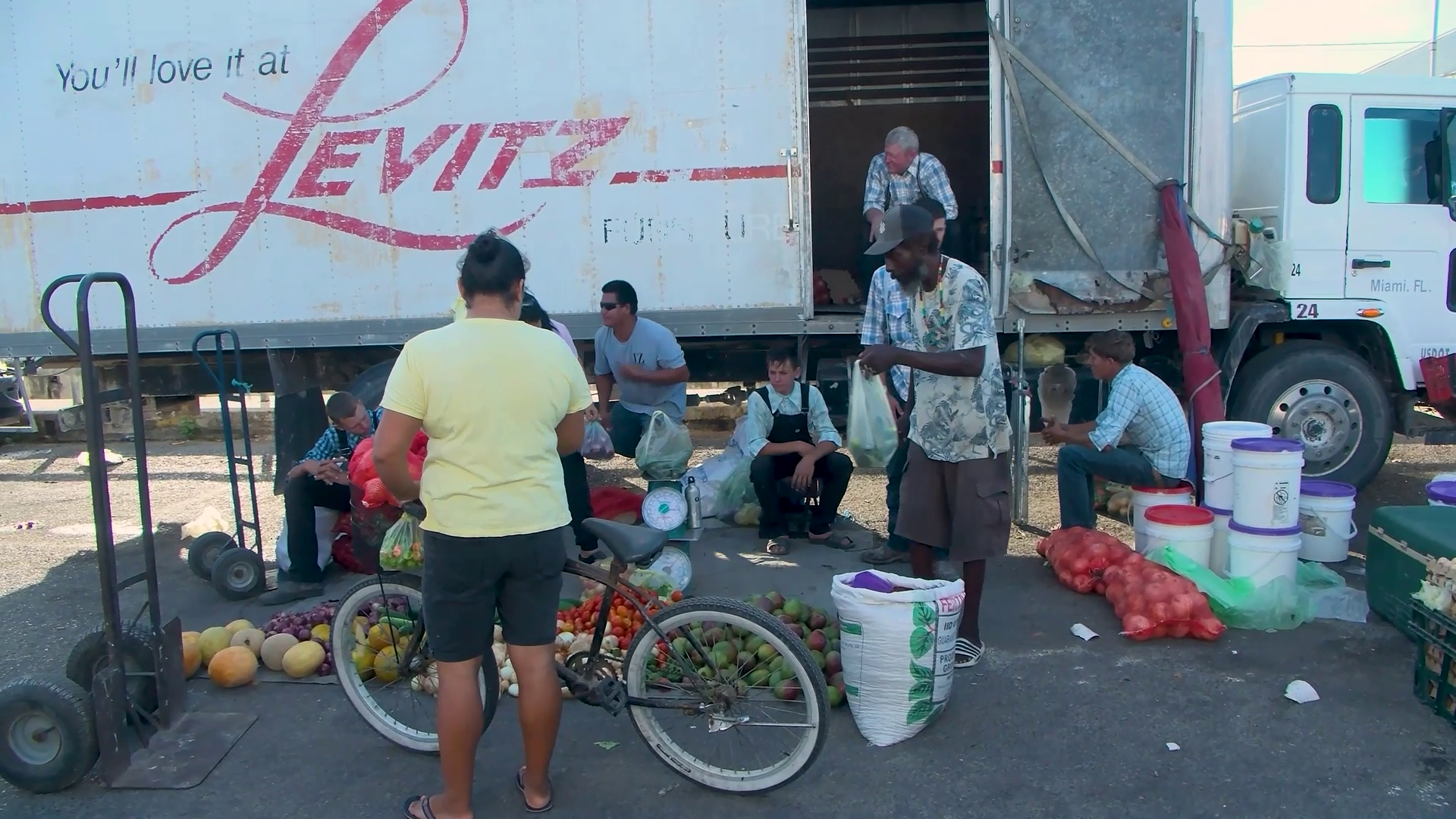
Released on October 29, 2026, newly published data from the Statistical Institute of Belize (SIB) reveals that the country’s annual inflation rate surged to just under 5% in September, marking a widespread cross-sector price hike that stretches far beyond rising household utility bills. The official SIB breakdown shows transportation costs leading the upward trend with a 10.7% year-over-year jump, fueled primarily by a BZ$3.75 spike in diesel prices that pushed public transit fares 15% higher for daily commuters. Food costs climbed 4.3% over the same 12-month window, driven by elevated market prices for meat and fresh vegetables, while housing and utility expenses – including rent, electricity and water tariffs – rose 4.4%. Healthcare services also saw a sharp 6.4% year-over-year cost increase, placing additional financial strain on households across the nation. Parallel to these soaring prices, SIB’s latest consumer confidence index dropped 9.6 percentage points in September to land at just 38.4%, the lowest reading recorded in more than two and a half years, signaling widespread public pessimism about both current economic conditions and future financial prospects for ordinary families. Local producers in the Spanish Lookout community have also issued a warning of impending additional price hikes for consumer goods, tied directly to ongoing operational and financial challenges facing Belize Electricity Limited. As community representative Norman Dyck explained, the recent launch of three major local industrial projects – a UHT milk processing facility, the Minsa grain mill, and a new cooking oil refinery – has drastically raised local power demand. The community has been forced to supplement grid power with on-site generators and solar arrays, but recent shortages of crude oil needed to run backup generators have created a critical supply gap. Dyck noted that a forced shift to diesel to power these generators would trigger an immediate new wave of food price increases, as the community’s local food processing operations rely heavily on consistent, affordable power to keep production costs low. In response to the growing cost-of-living crisis, Belize’s Cabinet held a dedicated emergency session on Tuesday to deliberate targeted intervention measures. Prime Minister John Briceño confirmed that his administration is collaborating closely with the Financial Secretary and senior leadership at the Ministry of Finance to identify untapped savings within the existing national budget. Briceño stated that these reallocated funds will be directed toward targeted cost-of-living adjustment programs designed to deliver direct, tangible financial relief to vulnerable citizens, adding that the full details of the support packages will be announced once final administrative fine-tuning is complete. Amid these inflationary headwinds, one bright spot emerged in September’s economic performance: domestic exports rose 11.5% year-over-year, driven almost entirely by a BZ$17 million surge in revenue from the national sugar industry, offering a modest buffer for the country’s broader trade balance.