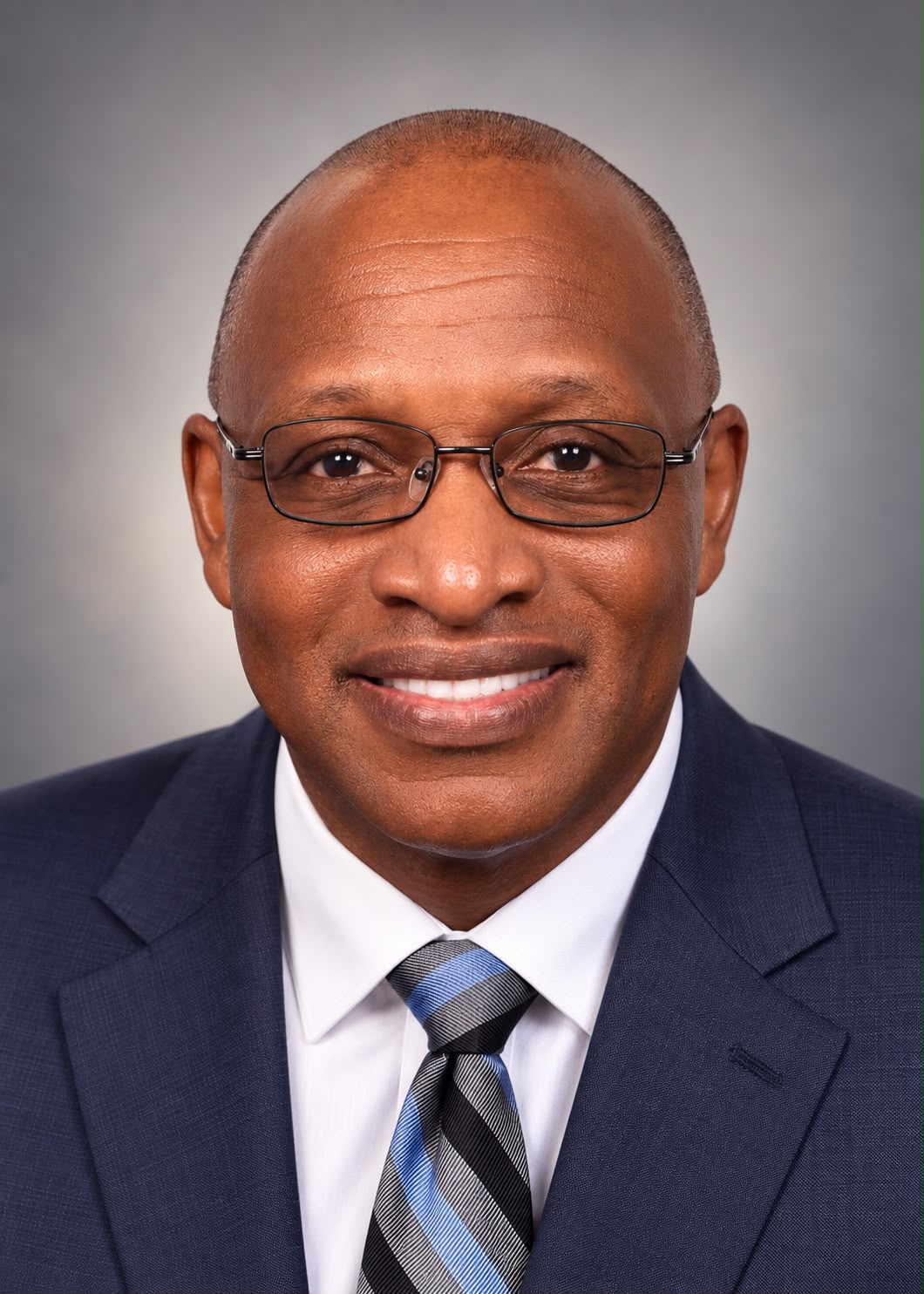
As Antigua and Barbuda marks 45 years of sovereign self-governance, the official 2026 independence theme — “Renaissance: Rooted in Pride, Bounded by Prosperity for All” — frames a pivotal national reckoning for the small Caribbean twin-island nation. While the country has ample milestones to celebrate since breaking from external colonial rule, prominent governance scholar Dr. Isaac Newton argues that national greatness cannot be measured by postcard-perfect shorelines, gleaming public infrastructure, or flags fluttering in tropical trade winds alone.
In a reflective, forward-facing essay timed to the November 1, 2026, independence anniversary, Newton poses a set of unflinching, people-centric questions that cut through surface-level national pride: What tangible meaning does 45 years of freedom hold for the child who falls asleep hungry each night, the university graduate forced to migrate overseas to find gainful work, or the aging pensioner who fears a lifetime of labor will not afford them a secure, dignified retirement?
Newton, a leadership strategist and Harvard-trained expert in institutional excellence, notes that the generations of Antiguan and Barbudan ancestors who endured chattel slavery, resisted colonial oppression, and organized for self-determination did not fight merely to open a narrow door to nominal political independence. Their hard-won victory laid the groundwork for a nation where every resident can access equal dignity — a promise that remains unfulfilled today. Systemic barriers still shut far too many citizens out of shared prosperity: entrenched poverty, lingering prejudice that blocks marginalized groups from fair advancement, and a culture where political connections often unlock opportunities that should be awarded purely on individual merit. For working-class families whose daily struggles go unaddressed regardless of which party holds public office, the formal transfer of governing power from external colonial administrators to local elected officials has delivered little tangible change.
Drawing on the timeless moral call of the Book of Amos — “Let justice roll down like waters, and righteousness like an ever-flowing stream” — Newton emphasizes that the most meaningful tribute to the sacrifices of previous generations is not performative patriotism, but a deliberate overhaul of systems to make dignity a universal birthright, level the playing field for all aspirants, and ensure public offices serve collective public good rather than narrow private or partisan interests.
He warns that headline-grabbing national GDP growth figures and broad economic metrics are hollow if they do not translate to tangible improvements in ordinary households’ daily lives. True shared prosperity must reach every corner of the nation: underfunded rural classrooms, under-resourced community clinics, small family farms, independent fishing crews, grassroots small businesses, and the kitchen tables of working families across both Antigua and Barbuda. This vision of inclusive progress includes well-resourced public schools, affordable and accessible healthcare, living wages that keep pace with cost of living, thriving local small enterprises, and robust opportunities that allow young people to build meaningful, stable lives in their home country instead of being forced to migrate for work.
Newton acknowledges that the nation faces steep, external headwinds in pursuit of this renaissance: accelerating climate change that threatens the islands’ low-lying coastlines and critical tourism and fisheries sectors, volatile global economic conditions, and rapid technological disruption that risks leaving unskilled workers behind. But he stresses that the country’s small geographic and population size need not limit its collective ambition. The core test of the national renaissance, he argues, is not abstract macroeconomic growth, but whether leaders are actively expanding access to opportunity, rebuilding public trust in institutions, and lifting living standards for every ordinary resident.
As the nation turns the page on its first 45 years of independence, Newton calls on all segments of society to contribute to writing the next chapter: elected leaders must be fully accountable to their constituents, private sector leaders must build and grow wealth through ethical, responsible practices that benefit local communities, faith institutions must translate spiritual values of compassion into tangible community service, and ordinary citizens must both demand full integrity from public officials and model that integrity in their own daily lives. Citing the guidance from the Book of Micah to “do justice, love mercy, and walk humbly with God,” he outlines a vision for the next 45 years of nationhood defined by dismantling systemic barriers, nurturing every citizen’s unique talents, and lifting up vulnerable communities. The legacy left to future generations of Antiguans and Barbudans, he argues, should not be limited to patriotic speeches and national symbols, but a country where every young person’s abilities can flourish, their inherent dignity is protected, and every resident holds an equal, fair stake in the collective national destiny.