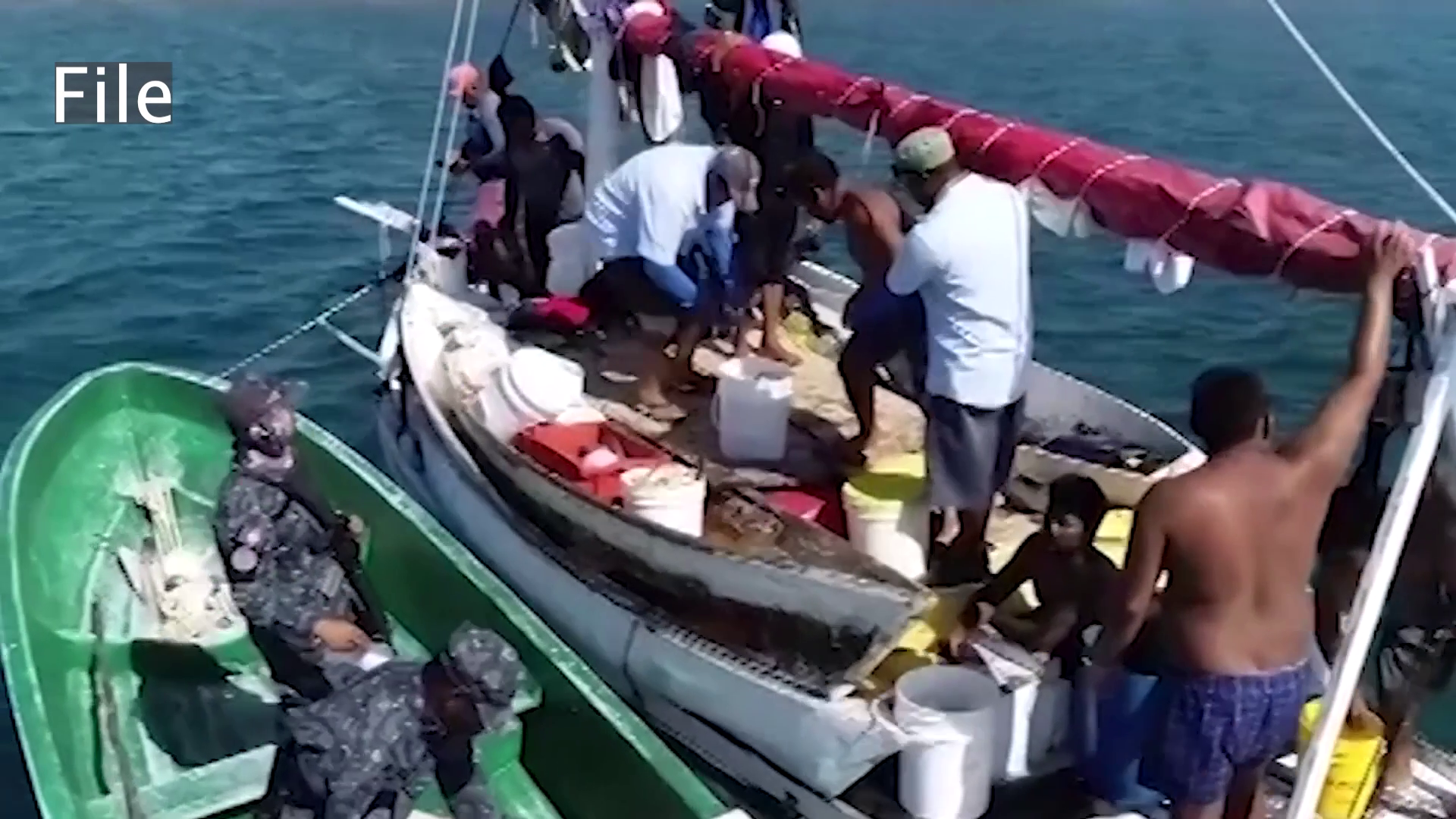
On October 29, 2026, officials from Belize’s Ministry of Blue Economy and Marine Conservation announced that a planned mandatory rollout of Vessel Monitoring Systems (VMS) for commercial fishing craft has been temporarily paused, rather than scrapped entirely, following widespread feedback and concerns from local fishing communities. The VMS technology, which tracks real-time geolocation of vessels at sea, was first proposed as a mandate specifically for stone crab and shark fishing fleets, with hardware provided free of charge to participants as part of a Taiwan-funded regional pilot initiative. Beverly Wade, CEO of the ministry, emphasized that the decision to delay enforcement stems from a commitment to collaborative governance, rather than a rejection of the technology’s proven value. For more than 12 months, dozens of Belizean fishers have voluntarily adopted VMS units, with no reported data breaches or unauthorized sharing of location information to date. Wade noted that two core concerns have emerged from public consultations and community feedback: widespread fears over personal location privacy, and worries that sensitive fishing route data could be shared publicly or with third parties. Some fishers also noted that their licensed fishing vessels are occasionally used for non-fishing personal activities, raising further privacy anxieties. In response, the ministry will deploy outreach teams back to coastal fishing communities over the coming months to conduct targeted listening sessions, share transparent data governance protocols, and demonstrate the tangible benefits of the system already experienced by voluntary participants. These benefits include more sustainable, data-driven fisheries management, streamlined access to premium international seafood markets that require verified catch origin tracking, and enhanced emergency response capabilities to locate vessels in distress at sea. Wade clarified that the pause is not an indefinite postponement, noting that VMS adoption is rapidly becoming a global standard and mandatory best practice for responsible marine resource stewardship. Officials are working to build mutual trust with fishing stakeholders to refine the program’s rules before resuming the implementation timeline.