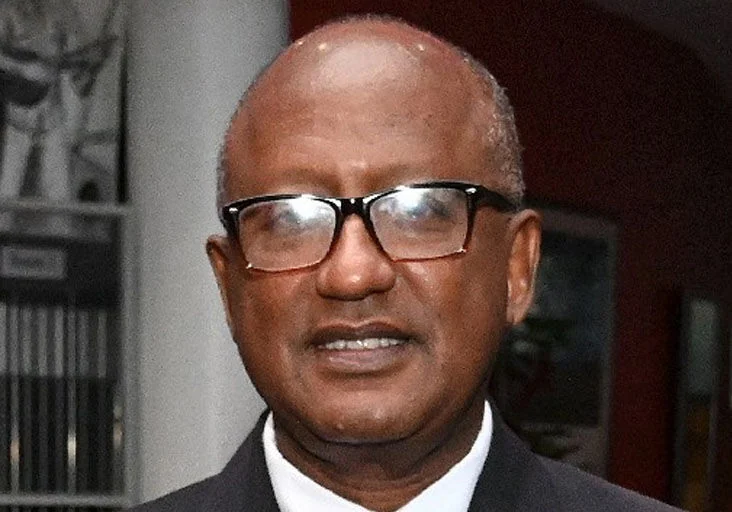
In a wide-ranging exclusive interview with Trinidad and Tobago’s *Express* newspaper, Cuban Ambassador Gustavo Veliz issued a sharp, unflinching rebuke of Washington’s decades-long economic, commercial, and financial embargo against his island nation, framing the policy as a deliberate crime that pushes ordinary Cubans toward a preventable humanitarian catastrophe. Veliz emphasized that any nation that amplifies the United States’ official narrative justifying the embargo is effectively complicit in a policy that directly endangers civilian lives, noting that every minute of the blockade’s enforcement risks avoidable deaths – including those of children – triggered by crippling electricity shortages, blocked access to life-saving medications, and widespread scarcity of basic daily necessities. The diplomat went on to accuse the U.S. of intentionally manufacturing a crisis in Cuba to weaponize it for political gain, while attempting to shift global attention away from the embargo’s catastrophic human toll by centering bad-faith debates about Cuba’s domestic political system and supposed democratic shortcomings. “This is never a genuine conversation about governance or human rights,” Veliz stressed. “It is a deliberate distraction to cover up the unjust energy siege and collective punishment being inflicted on 11 million Cuban people.” Veliz further rejected Washington’s self-assumed moral authority to lecture other nations on human rights, pointing to a litany of documented abuses within U.S. borders and beyond: extrajudicial killings in the Caribbean Sea, systemic police brutality targeting racial minorities, the growing militarization of domestic U.S. cities, inhumane treatment of migrant populations, and the relentless wave of mass school shootings that have killed thousands of American children in recent decades. He noted that these widespread, unaddressed violations completely strip the U.S. of any legitimate standing to criticize other sovereign nations’ human rights records. While Veliz declined to issue a direct public condemnation of the Trinidad and Tobago government’s recent decision to break with 50 years of longstanding regional diplomatic tradition and vote alongside the U.S. against a United Nations General Assembly resolution demanding an immediate end to the Cuban embargo, he did not shy away from highlighting the deep, historic ties between Port of Spain and Havana. He recalled that Trinidad and Tobago was one of only four nations worldwide to formally establish full diplomatic relations with Cuba back in 1972, at the height of Washington’s efforts to isolate the island completely on the global stage. Even amid the diplomatic rift over the recent UN vote, Veliz extended warm gratitude to Trinidad and Tobago’s general public for their ongoing grassroots solidarity with the Cuban people, and expressed confidence that the decades-long fraternal bond between Cuba and the wider Caribbean Community (CARICOM) bloc would persist despite temporary political divergences. Veliz framed the results of the Wednesday UN General Assembly vote as a sweeping, landmark victory for Cuba and international law: the non-binding resolution secured overwhelming support from 130 nations across every region of the globe, with only 17 countries voting in opposition and 25 choosing to abstain. The ambassador noted that the lopsided vote margin makes clear that Washington’s aggressive, decades-long campaign to isolate Cuba has left the U.S. itself increasingly diplomatically isolated on the world stage, despite extraordinary last-minute diplomatic pressure exerted by the U.S. Permanent Representative to the UN to coerce smaller nations into switching their votes to oppose the resolution. Veliz emphasized that no amount of U.S. political coercion, intimidation, or economic pressure will ever silence the global community’s unified demand for an end to what he described as the genocidal, unjust blockade, and reaffirmed Cuba’s unwavering commitment to defending its national sovereignty as a sovereign independent state.