Escalating armed conflict in the northeastern Ituri Province of the Democratic Republic of the Congo is creating severe new barriers to ongoing Ebola containment operations, as surging violence drives tens of thousands of residents from their homes and strains already fragile support systems for vulnerable local communities, according to latest updates from United Nations officials.
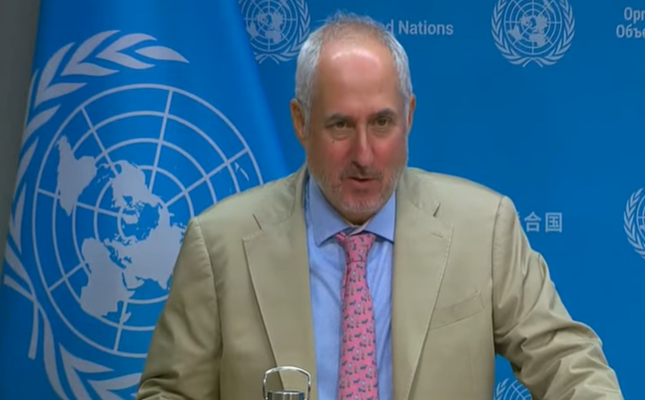
The UN confirmed that at least 19 unarmed civilians have been killed in successive armed skirmishes in and around the village of Muganga, located in Djugu Territory, since the outbreak of new hostilities last Sunday. During a recent press briefing in Washington D.C., Stéphane Dujarric, spokesperson for the UN Secretary-General, revealed that more than 25,000 displaced people, a large share of whom are women and underage children, have fled the violence to seek refuge in neighboring Mahagi Territory. Most of these displaced populations are now residing in makeshift displacement camps, where they face critical shortages of food supplies, basic medical care, clean water and other life-critical essential resources.
This large-scale unplanned population movement, paired with widespread security restrictions that block humanitarian workers from accessing high-conflict zones, has thrown major new hurdles into the existing Ebola response framework. Outbreak response teams now face unprecedented difficulties carrying out community engagement work to share Ebola prevention guidance, conducting systematic contact tracing to monitor virus transmission chains, and delivering targeted, life-saving medical interventions to confirmed and suspected Ebola patients. Official data from DRC’s national health authorities shows the ongoing Ebola outbreak has already surpassed 10,100 confirmed cases, with a recorded death toll exceeding 4,900.
Even amid the persistent security risks, UN agencies and their on-the-ground humanitarian partners remain committed to sustaining Ebola containment operations, while simultaneously rolling out emergency relief packages and civilian protection support for communities impacted by both the violence and mass displacement. The UN has issued an official public appeal to all armed factions involved in the clashes, urging every party to uphold international humanitarian law, take concrete steps to shield civilians and civilian critical infrastructure from attack, and grant unimpeded, rapid and safe access for all humanitarian organizations to reach vulnerable populations in need across the affected region.
The unfolding crisis in Ituri underscores the extreme operational challenges of containing a highly contagious, fatal viral outbreak in regions plagued by chronic instability, where sudden bouts of violence can completely cut off local populations from routine and emergency health services overnight.
In a parallel regional public health development, cross-sector health specialists from across the African continent are gathered in Juba this week for a three-day workshop running from October 28 to 30, focused on enhancing South Sudan’s One Health coordination framework and national preparedness capacities to tackle bovine viral diarrhoea (BVD). The event brings together representatives spanning the human public health, veterinary care, wildlife conservation and environmental protection sectors, aligned with the core One Health principle that the health of humans, animals and shared ecosystems are deeply interconnected. Workshop participants are leveraging the standardized Multisectoral Coordination Mechanism Operational Tool (MCM-OT) to revise and update South Sudan’s national cross-sector health action plan, while working to formalize more robust coordinated response structures at the state and county administrative levels. Proponents of the One Health model note that improved cross-sector collaboration allows countries to detect emerging cross-species health threats far earlier, boost pre-outbreak preparedness levels, and mount far more effective, coordinated responses when disease outbreaks do occur.
Renewed Fighting in DRC Complicates Ebola Response as Thousands Flee Violence