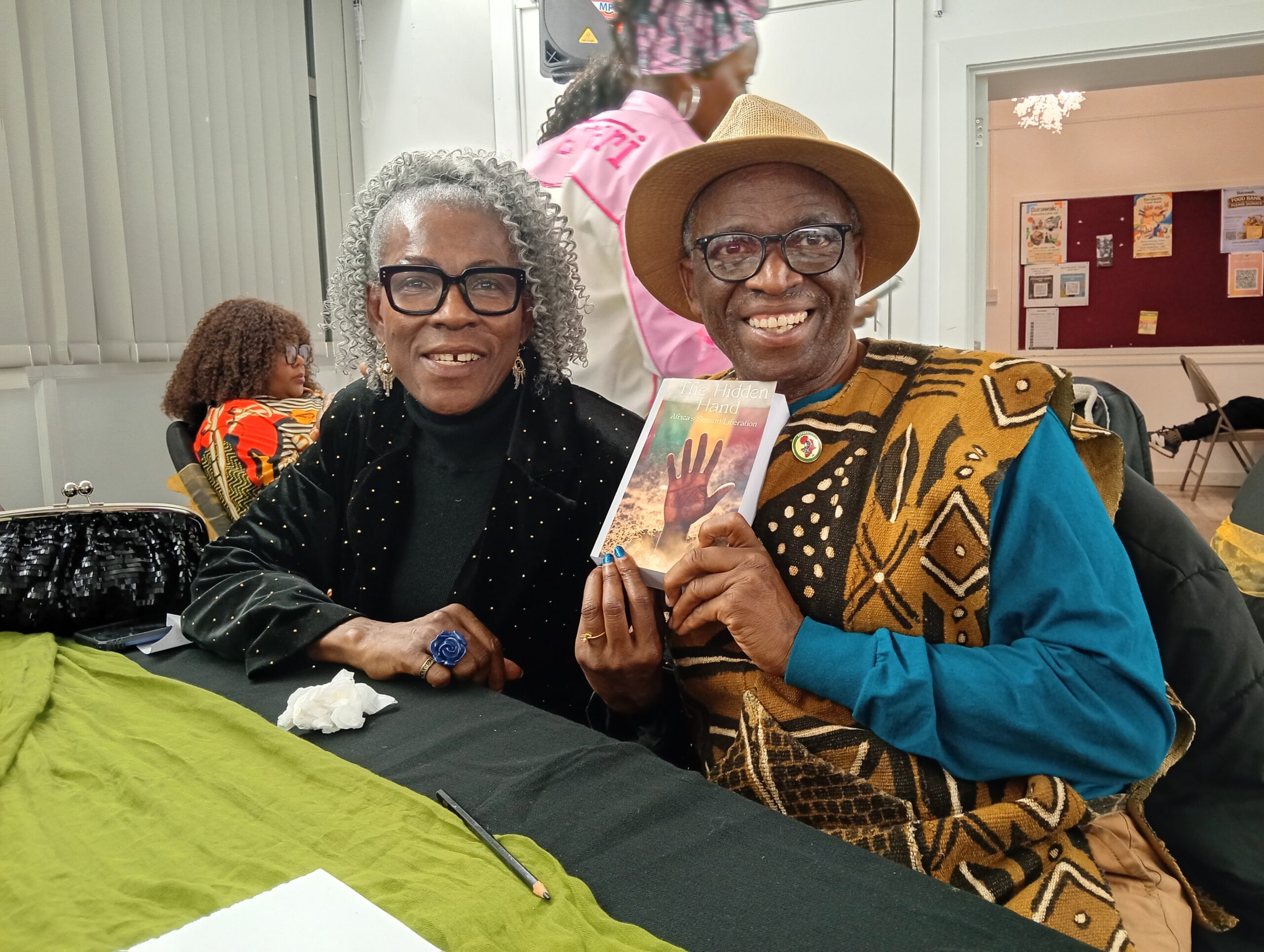
Against the vibrant backdrop of Black History Month’s annual global observance, the Antigua-based Barawak charity organization recently hosted a community-focused celebration that brought together local residents, African diaspora members, and prominent Antiguan writer William Henry, alongside community organizer Sharon Wallock-Lewis of Jennings Village, to reimagine the purpose of commemorating Black heritage far beyond a symbolic calendar entry. Unlike superficial celebratory gatherings that merely revisit well-trodden historical milestones, the event was designed to foster active, critical dialogue around Black identity, intergenerational memory, and the ongoing, unfinished fight for full self-determination across the African continent and its global diaspora. The evening’s centerpiece was the official launch of Henry’s latest rigorously researched nonfiction work, *The Hidden Hand: Africa’s Second Liberation*, a provocative volume that pushes readers to move past mainstream Western media headlines to unpack the layered, often underreported political shifts unfolding across contemporary Africa. Rooted in decades of Henry’s own lived experience as an Antiguan-born creative who spent 50 years residing in the United Kingdom while retaining unbroken ties to his Caribbean homeland, the text anchors its analysis on the rising global profile of Burkina Faso under the leadership of Captain Ibrahim Traoré. Henry traces how the West African nation has emerged as a galvanizing new symbol of anti-colonial resistance, as its government pursues an unapologetically assertive agenda to reclaim full control over its natural resources, expel exploitative foreign military and economic influence, and build independent systems that prioritize the needs of its own citizens over external geopolitical interests. Crucially, the book frames Burkina Faso’s recent trajectory not as an isolated anomaly, but as the latest chapter in a broader, centuries-long continental struggle that exposed a critical gap at the heart of many African nations’ mid-20th century independence victories: formal political sovereignty rarely dismantled the deep, enduring colonial-era structures that locked countries into cycles of economic subjugation, cultural erasure, and external military control. The text poses a searing, timely central question to its audience: what does genuine, meaningful independence look like for a nation that holds a flag and a seat at the United Nations, but still cannot set its own economic policy, defend its borders without foreign oversight, or preserve its own cultural heritage from outside appropriation? For the diverse crowd of attendees, spanning African-born residents, Caribbean diaspora community members, and local Antiguan youth, the event was far more than a standard book signing. It offered a rare space to connect the shared histories of transatlantic slavery, colonial exploitation in both Africa and the Caribbean, and modern day fights for dignity, drawing clear throughlines between the anti-colonial struggles of 20th century Caribbean leaders and the contemporary sovereignty movements unfolding across West Africa. Henry, whose extensive body of work has long centered African history, Caribbean identity, and the tangled, often unequal three-way relationship between Africa, the Caribbean, and the United Kingdom, emphasized during his remarks that Black history is not a static, closed chapter confined to the past. He reminded the audience that the fight for liberation did not end with emancipation, the lowering of colonial flags, or the formal granting of national independence: it remains a living, ongoing project that demands consistent critical engagement, collective action, and a rejection of dominant historical narratives that have long erased Black voices and prioritized external imperial interests. By the end of the gathering, many attendees noted that the event had redefined their understanding of Black History Month’s core purpose: rather than only looking backwards to honor past achievements, the occasion served as a call to action to imagine a more just, self-determined future for Black communities across the world.