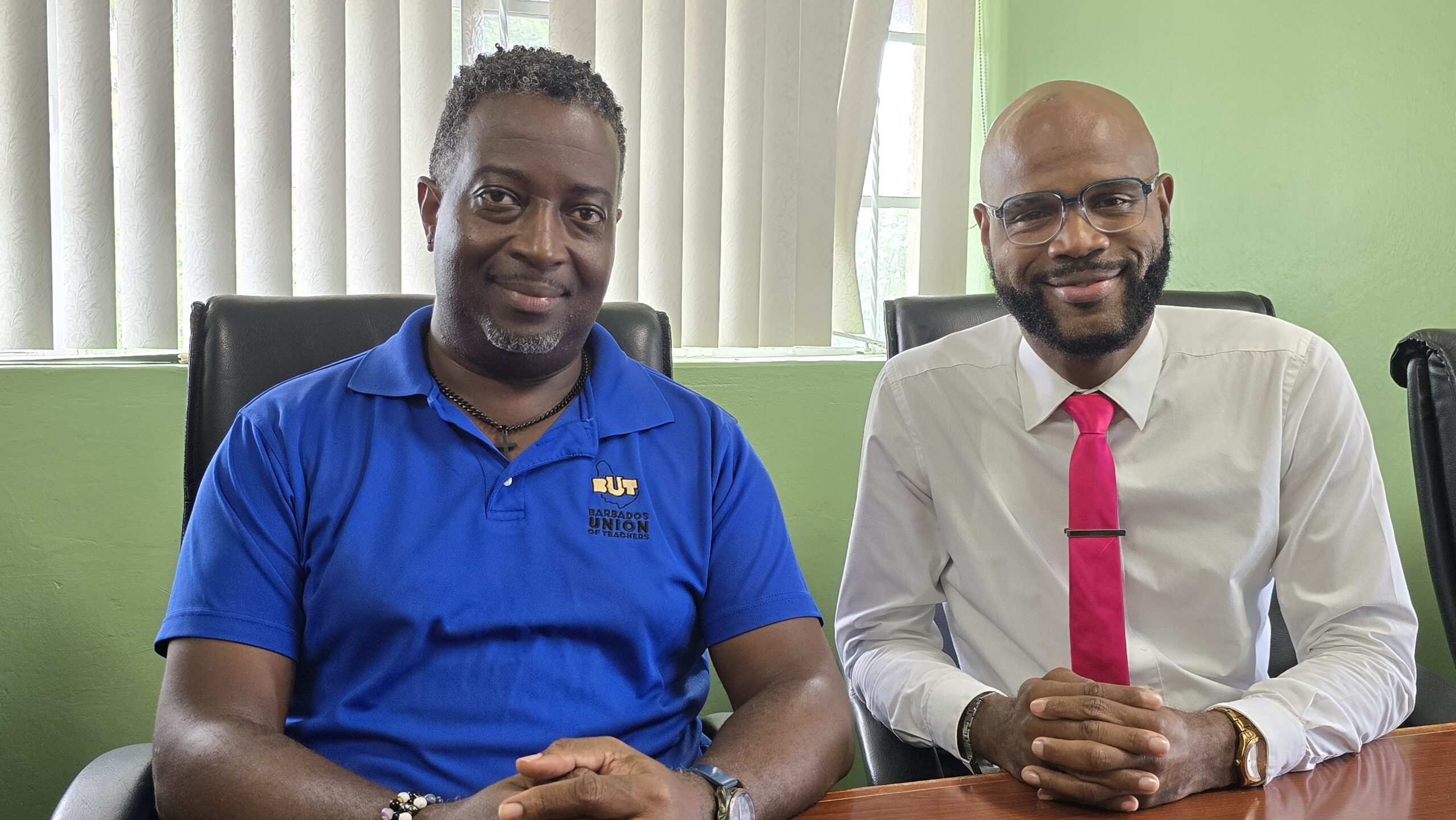
At the recent Barbados Union of Teachers (BUT) annual general meeting held at the union’s headquarters on Monday, executive leaders flagged urgent safety concerns at an undisclosed public school that has grappled with persistent, unresolved infrastructure deficiencies for years. While the union has opted not to publicly name the affected campus, which is earmarked for the national Skills for the Future education upgrade programme, BUT leadership emphasized that the cumulative scope of required repairs far outpaces the timeline for ongoing ministry remediation work, putting staff and students at risk of operating in a compromised learning environment for an extended period.
BUT General Secretary Gilbert Carmichael explained that the union is formally requesting targeted follow-up negotiations with the Ministry of Education to evaluate the feasibility of a temporary relocation arrangement for the school’s entire population during the full remediation phase. “We cannot responsibly keep educators and learners in a space that poses avoidable risks when repairs are projected to drag on for months,” Carmichael noted, adding that the union is currently awaiting an official response from ministry leadership on the proposal.
Leading the union’s occupational safety and health portfolio, BUT Vice President Julian Pierre shared that he conducted an on-site inspection of the unnamed campus roughly two weeks prior, and has been collecting first-hand feedback from the school’s teaching staff to document every outstanding issue, ranging from unaddressed daily operational disruptions to large-scale structural failures. Beyond the immediate crisis at the unidentified school, Pierre is advocating for the education ministry to implement a pre-vetted network of alternative temporary learning spaces across local communities in advance of future emergencies, including repurposed community centres, public pavilions, and local faith facilities that can accommodate full teaching and learning activities on short notice. This proactive pre-planning, he argued, would eliminate the logistical chaos of last-minute searches for suitable space, and streamline the process of moving classroom furniture, learning materials, and administrative supplies during unplanned disruptions.
Pierre also issued a broader systemic warning: ad-hoc remediation projects across all government school sites will deliver no long-term value if the Ministry of Education does not roll out a formal, scheduled, proactive preventative maintenance framework for all public education facilities. He pointed out that seemingly trivial unaddressed defects, such as a single cracked or missing windowpane, can quickly escalate into major public health hazards by enabling vermin infestations, mould growth, and water intrusion. The risk is particularly acute for Barbados’ older historic school buildings constructed with porous soft stone, a material that traps moisture and accelerates mould development when exposed to the island’s increasingly erratic weather patterns, including record high temperatures and unpredictable cycles of sudden heavy rainfall followed by extreme heat.
Notably, BUT leadership took pains to highlight significant recent progress in inter-agency collaboration, noting that the union’s working relationship with the current Ministry of Education administration is among the most cooperative it has seen in decades. Carmichael specifically praised the leadership of Education Technical Management Unit (ETMU) head Wayne Baker, who has overhauled the school maintenance workflow to move beyond the old model of only completing repairs during extended summer holidays: under the new system, minor urgent issues including plumbing failures, broken door locks, and faulty hardware are now routinely addressed after school hours, on weekends, and on short turnaround timelines, with some principal-reported issues logged on a Thursday evening already in the process of being resolved by the following Friday morning.
These improvements have been backed by a historic nearly $290 million education reform allocation announced by Education Minister Chad Blackman during the March national budget, a funding pool that covers all core education costs from personnel salaries and student support services to dedicated school maintenance budgets and classroom resource upgrades. The union also lauded the Ministry of Health for shifting to a proactive environmental health monitoring model for all public schools over the past 12 to 18 months, with routine, unprompted inspections from the Vector Control Unit and polyclinic-based health officers to check bathing facilities, test for stagnant water that breeds disease-carrying insects, and identify emerging health hazards before they escalate, rather than waiting for formal complaints from school staff to initiate assessments.
Union seeks talks on possible school relocation