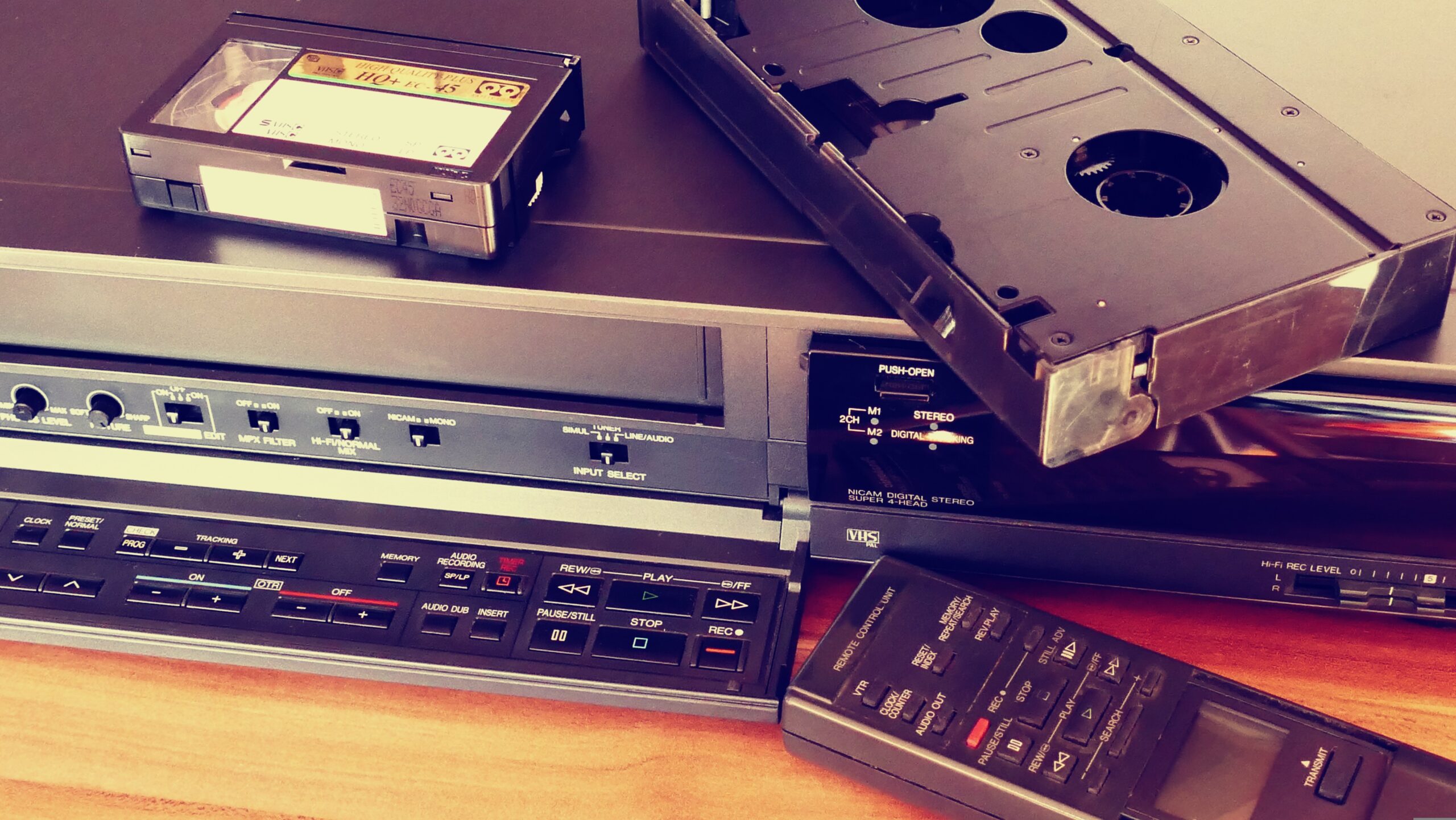
Nearly every person has stumbled across a vintage piece of audiovisual media at some point: a grainy clip of a mid-20th century political address, a rare field recording of a little-documented folk music tradition, or a scratchy broadcast capturing the daily rhythms of a distant city decades before streaming technology existed. These pieces of media spark an immediate, visceral connection to moments and communities outside our own lived experience, tapping into a quiet nostalgia that bridges temporal and geographic divides — but this irreplaceable global heritage is in imminent, constant peril. Thousands of unique analog recordings degrade every single day, falling victim to physical deterioration, long-term institutional neglect, and the rapid obsolescence of the outdated playback hardware required to access their content. Protecting these fragile audiovisual formats is not a trivial archival task: these materials hold the unfiltered voices, unposed visuals, and unscripted ambient sounds of historical events, acting as living vessels for marginalized oral histories, endangered Indigenous languages, localized community traditions, and one-of-a-kind artistic expressions that would otherwise vanish without a trace. It is this critical mission that led UNESCO’s 33rd General Conference in Paris, France, to formally designate October 27 as the World Day for Audiovisual Heritage (WDAH) back in 2005. Co-led by UNESCO and the Coordinating Council of Audiovisual Archives Associations (CCAAA), this annual global observance is explicitly designed to galvanize public and institutional attention to the urgent need to protect at-risk films, audio recordings, video tapes, and at-risk digital media. This year’s official WDAH theme, “Your Window to the World,” frames the core purpose of these archival collections perfectly: audiovisual recordings act as transparent, accessible windows that pull back the curtain on diverse cultural identities, underreported historical narratives, and lived experiences across every corner of the planet. They erase generational and continental divides, fostering cross-cultural dialogue built on genuine mutual understanding. To lose these archives is far more than losing a stack of outdated magnetic tapes: it is bricking the windows that let us peer into our collective shared past. Supporting this core preservation goal is UNESCO’s long-running Memory of the World (MoW) Programme, first launched in 1992 as a global framework to safeguard humanity’s most at-risk documentary heritage. The programme curates tiered international, regional (such as the MoWLAC network serving Latin America and the Caribbean), and national registers to spotlight collections of exceptional global or regional cultural significance. In 2026, the MoW Programme rolled out a suite of targeted intervention projects focused on high-priority endangered collections, including a landmark initiative to digitize and preserve roughly 45,000 analog tape recordings held by Radio Mogadishu. This archive, which holds decades of local news segments, everyday civilian stories, political addresses, entertainment broadcasts, and traditional Somali music, forms the unshakable core of Somalia’s cultural DNA, making its preservation a non-negotiable priority for future generations of Somali citizens. WDAH also serves as a long-overdue public tribute to the uncelebrated archivists, preservation technicians, and small cultural institutions that dedicate their work to protecting these fragile collections. Each year, archives across the globe host public events to showcase their work, highlight the ongoing vulnerability of at-risk media, and raise public awareness of the critical, often underfunded work required to ensure these collections remain accessible for centuries to come. As former UNESCO Director-General Irina Bokova once noted, audiovisual heritage carries memories, testimonies, knowledge, and ideas in uniquely vivid, emotionally resonant ways that lay the groundwork for more empathetic dialogue across generations, communities, and national borders. This piece was contributed by Wayne Campbell, an educator and social commentator focused on how development policies shape cultural and gender equity outcomes. NOW Grenada bears no responsibility for the opinions, statements, or media content shared by independent contributors, with a dedicated reporting portal available for users to flag instances of inappropriate content.