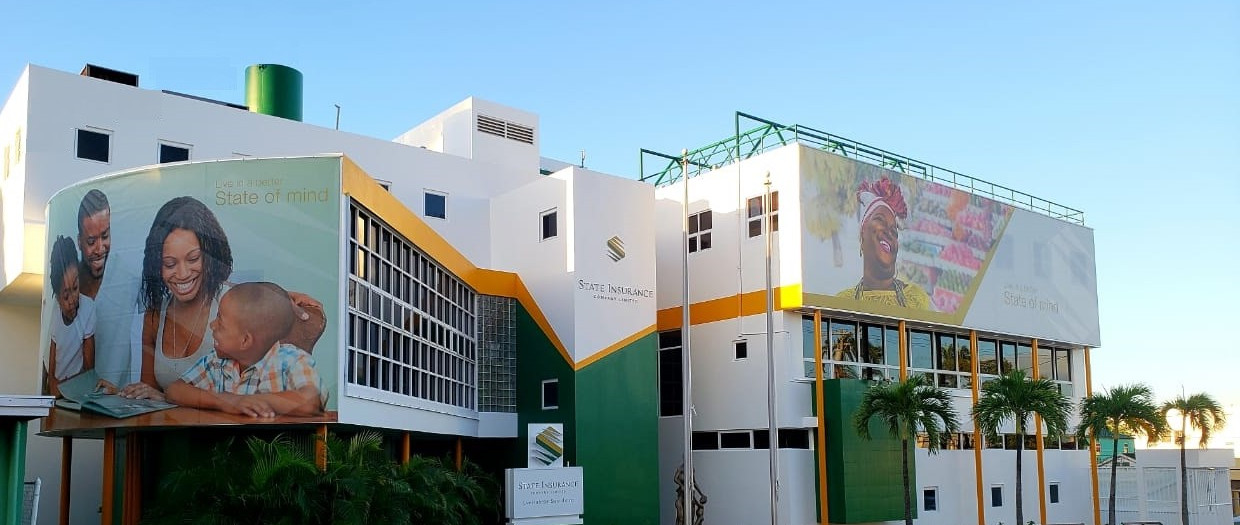
During his weekly “Browne and Browne” broadcast on Saturday, October 24, Antigua and Barbuda Prime Minister Gaston Browne unveiled a preliminary policy proposal to aggregate roughly $60 million in capital from domestic public sector entities to finance targeted national development initiatives, with a primary focus on new hospitality sector investments. Browne laid out a tiered potential contribution framework that would draw flexible funding from four core public bodies: the national Treasury, State Insurance, the Social Security Board, and the Airport Authority. Under the proposed breakdown, the Treasury could allocate between $10 million and $20 million, State Insurance would contribute a fixed $10 million, Social Security would provide between $10 million and $20 million, and the Airport Authority would add a further $10 million, reaching the $60 million total when maximum contributions from the Treasury and Social Security are applied. The prime minister framed the proposal as a strategic move to unlock untapped domestic capital, cut the country’s historic overreliance on external private investors, and ensure a larger share of long-term project profits remains circulating within the local economy rather than flowing to overseas stakeholders. “I could move as early as Monday to mobilize this full $60 million pipeline and deploy it exclusively to economically viable, high-impact projects,” Browne stated during the broadcast. The initial set of priority projects under consideration centers on two 150-room hotel developments earmarked for the Greenfields and Jolly Beach locations, with additional undeveloped land at Yepton’s also flagged as a viable alternate site for future investment. Browne confirmed that the full Cabinet will deliberate over the proposal and associated project parameters during a scheduled meeting on Wednesday, October 28, with local development consultant Brandon Ellis already tasked with drafting formal project concept documents for formal government review. The pooled public seed funding is envisioned as the initial capital injection to get construction underway, with supplementary financing expected to come from the country’s established Citizenship by Investment Programme and targeted low-interest borrowing to cover remaining project costs. At this preliminary stage, no binding financial commitments have been secured from the participating public institutions, and key operational details — including whether contributions will be structured as loans, equity stakes, or alternative investment vehicles, as well as projected interest rates, repayment timelines, expected rates of return, and total overall project costs — have not yet been finalized. Browne emphasized that every proposed initiative will undergo rigorous independent financial and feasibility vetting, and expressed confidence that the first wave of approved projects could be fully completed and operational within a two-year timeline.
PM suggests pooling $60 million from Treasury, State Insurance, Social Security and Airport Authority for development projects