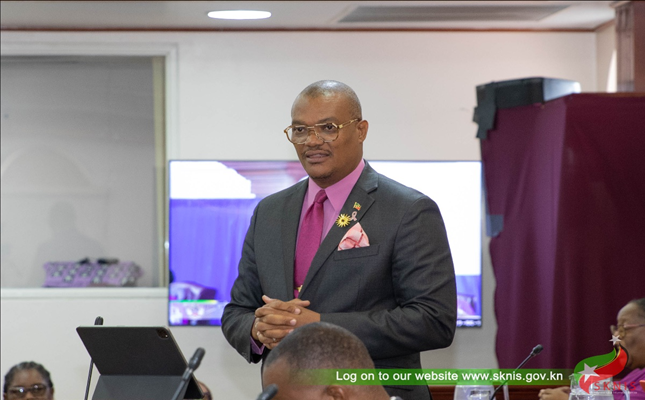
Basseterre, Saint Kitts – October 23, 2026: A landmark legislative reform tabled before the National Assembly of Saint Kitts and Nevis is set to dismantle longstanding bureaucratic barriers that have prevented generations of overseas-descended Kittitian and Nevisian communities from formalizing their legal ties to their ancestral homeland. The St. Christopher and Nevis Citizenship (Amendment) Bill, 2026, debated during its second reading on the same date, introduces streamlined eligibility pathways for the children and grandchildren of nationals who migrated abroad in prior decades to pursue education and career opportunities, a demographic that has repeatedly voiced frustration over outdated constitutional provisions that denied them formal citizenship status despite unbroken cultural and family links to the Federation.
Delivering the official government position during the parliamentary debate, Acting Prime Minister Hon. Dr. Geoffrey Hanley shared firsthand accounts from recent engagements with diaspora communities across the United States, Canada, and the United Kingdom, where hundreds of second- and third-generation descendants expressed no demand for financial handouts or pre-arranged employment, but solely the legal right to claim belonging to the nation their parents or grandparents once called home.
Beyond fulfilling this longstanding community demand, the proposed policy overhaul is strategically designed to unlock tangible national development gains: skilled diaspora professionals with expertise in high-priority sectors including healthcare, education, civil engineering, sustainable agriculture, and digital technology will be empowered to relocate to the Federation and contribute their specialized skills without restrictive immigration hurdles. To ensure the new citizenship status translates to meaningful, sustainable resettlement rather than a symbolic document, the federal government has committed to cross-ministerial coordinated support measures, including streamlined recognition of overseas professional qualifications, centralized public access to transparent housing and land ownership information, and a dedicated one-stop government liaison office to guide returning diaspora members through every step of the resettlement process. Dr. Hanley emphasized that returning descendants are not passive beneficiaries of government generosity, but core strategic partners who bring global professional networks, international industry experience, and diverse perspectives that will strengthen local public institutions and unlock new economic and social opportunities for all residents of the Federation. Eligible applicants are advised to gather all required supporting documentation in advance, as the official application portal for the new citizenship pathways is scheduled to go live on November 2, 2026.
Citizenship Amendment Bill opens new pathways for diaspora to reconnect with Saint Kitts and Nevis