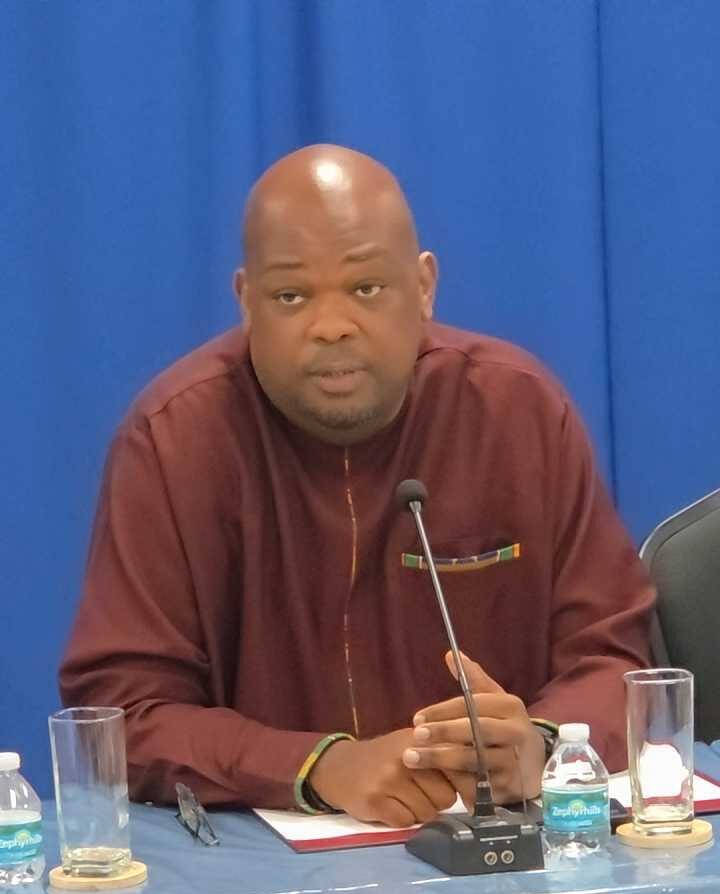
Barbados is grappling with a rapidly growing public health crisis that threatens the country’s long-term development trajectory, as new data reveals that nearly half of all children in the nation are now overweight or living with obesity. Minister of Education Transformation Chad Blackman has described the sharp upward trend in childhood obesity rates as both “scary and staggering”, pointing to a dramatic increase from 31% of children classified as overweight or obese in 2017 to 42% projected in 2026.
Blackman emphasized that even the country’s most impressive academic and infrastructural gains will not translate to sustained national progress if underlying public health challenges like expanding childhood obesity are left unaddressed. His remarks came during the official media launch of the Barbados School Nutrition Policy Recognition Awards, hosted at the Ministry of Education Transformation’s conference room on Wednesday, where he framed student health and wellness as an equal priority alongside ongoing modern education reforms.
Opening up about the cultural drivers of poor dietary habits across Barbadian communities, Blackman shared a personal perspective, noting that his own awareness of the national obesity crisis prompted him to embark on a personal weight loss journey. “I can’t be saying to the nation that we have an obesity issue while being obese myself — that’s a fact,” he told attendees. “If we want to keep advancing development for our people, and give Barbados the best chance to compete globally and lead across countless sectors, we have to lay the right foundation for our young people and children.”
While Blackman expressed gratitude for existing corporate partnership support for school nutrition initiatives, he issued a clear call for stricter guardrails on corporate activity within school spaces. Specifically, he urged food and beverage companies to remove all branding for ultra-processed foods from school environments, even on non-consumable promotional items. “You really ought not to be running activities that directly contradict our national school nutrition policy,” he explained. “Even if you are not distributing products for students to consume on school grounds right away, your branding on items like pencil cases, sharpeners and other school supplies sends a visual and psychological message that completely undermines the healthy habits we are working to build.”
Closing his remarks, Blackman called for a coordinated, nationwide collective effort to protect the long-term health of Barbados’ future generations. He urged individuals, family households and local communities alike to embrace a fundamental shift in mindset and cultural attitudes toward diet and wellness to reverse the dangerous upward trend in childhood obesity.